


When, in February, Stephen Friedman Gallery announced it was entering administration, it was Groundhog Day all over again in the London art world, as just the latest in a series of gallery insolvencies over the past decade, including Blain Southern in 2019, Simon Lee Gallery in 2023 and Arusha Gallery in 2025. I have written previously here about how poorly protected artists are in the UK when their galleries go bust, with the artists forced to join the hopeless queue along with (and often behind) creditors such as banks and the tax authorities when there is little or nothing left to go around.
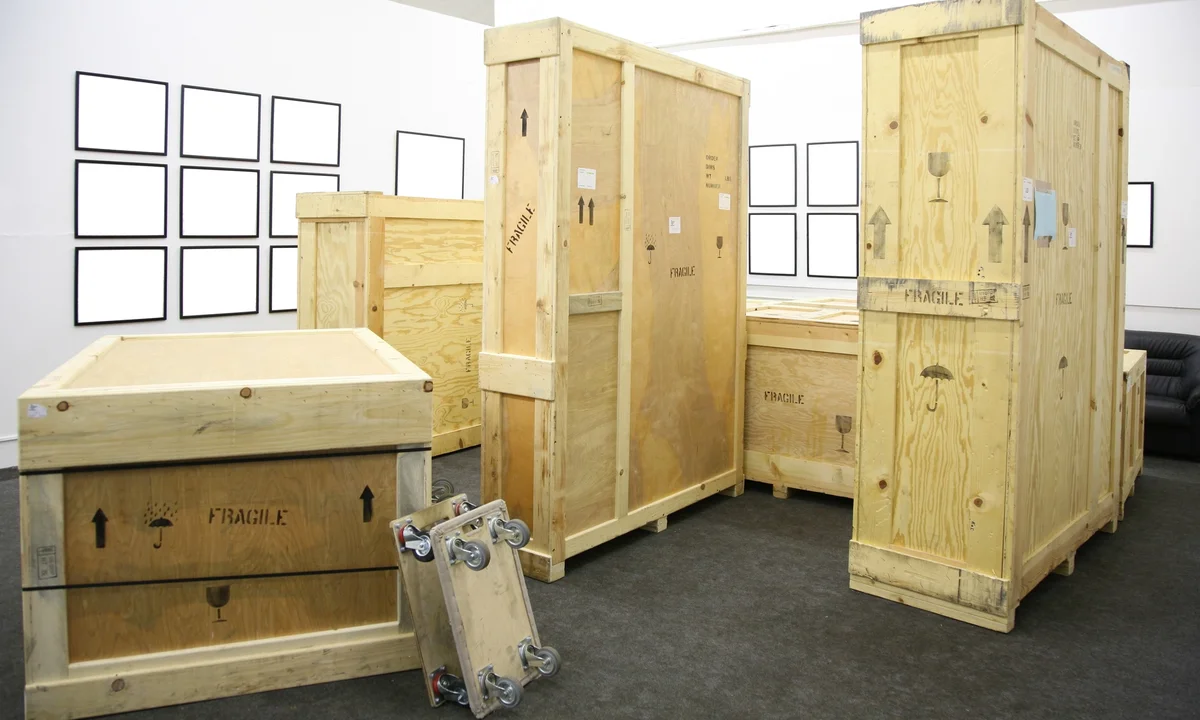
On that issue, the problems have at least become reasonably well known and understood, even if the solution remains elusive. Another challenge that has received less of an airing is what to do when third-party storage providers engaged by the now-defunct gallery have not been paid and refuse to release works to artists until the arrears are cleared.
The fact that this is possible in circumstances in which there is no doubt that the artworks in question remain the artist’s property, and in which the debt to the storage provider was incurred by the gallery and not the artist, seems counter-intuitive to many who encounter it for the first time.
Creditor before creator
In an English law context, the explanation is usually as follows. Somewhere in the storage provider’s terms and conditions the gallery will have agreed, without their artists’ knowledge, that the storage provider holds the works subject to a lien for all charges due to the provider. A “lien”, a hangover from when the English legal system was conducted in Norman French, is a kind of security interest that gives a possessor a passive right to retain (but not sell) property until the debt or other obligation is discharged.
At this point there is little to be gained from a claim by the artist against the gallery for this act when there’s already no money left even for the proceeds of sales to be paid out. So, the focus turns to the question of whether the storage provider is entitled to rely on its lien in response to any action by the artist for recovery of what is undisputedly their property, when (1) there is no debt due from the artist to the provider; and (2) the artist had no idea their gallery had agreed to the lien, much less given their express consent to it. In these circumstances, would a refusal by a storage provider to release an artist’s works to them unless the arrears are paid amount to a wrongful interference with the artist’s title to the works?
Less reliance on galleries for storage
I’m sorry to say that it’s a grey area. When an artist consigns work to a gallery the legal effect is that they appoint that gallery as their agent. The storage providers say that they are entitled to rely on the “apparent” or “ostensible” authority the gallery has to bind its principal, the artist, especially when the gallery has agreed to a specific term expressly confirming that it has that authority. It isn’t clear what a court would decide, and of course every case will turn on its specific facts. In the meantime, this is one of the sorts of things people have in mind when they say that “possession is nine tenths of the law”, as it would typically cost an artist more in legal fees than the arrears being demanded to press the point and find out.
What can artists do to protect themselves? A good start would be to ask their gallery if it uses third-party storage providers and if it has agreed to terms including a lien. If the answer is ‘yes’, then some urgent consideration might be given to informing the provider that the gallery did not have authority to agree to that term and/or the artist should be notified immediately about any arrears. Perhaps more fundamentally, artists might consider whether they should rely on a gallery to store any more of their work than is necessary, given the existential risk to a practice that losing access to an entire body or work represents.
What of the storage providers themselves? I am not without sympathy, as they are among the losers when a gallery goes under, but they should think carefully about how they treat artists who are already at a very low point professionally and financially as a result of their gallery crashing out of business.
• Jon Sharples is an intellectual property and art lawyer at Howard Kennedy
