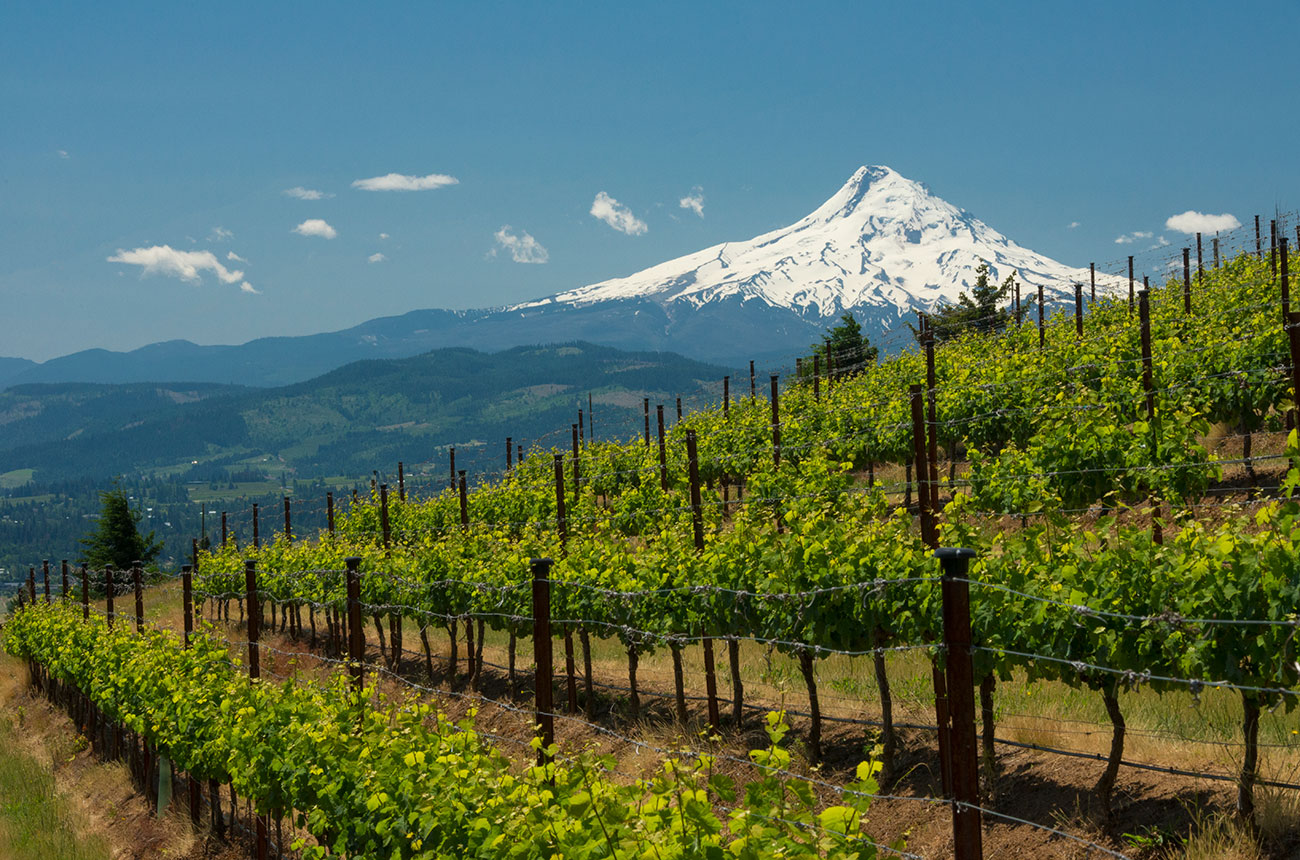
By the time the Continental Congress formally approved the Declaration of Independence on 4 July 1776, winemaking in North America already had a relatively long and uneven history.
The earliest attempts date back to the early decades of European settlement and involved experiments with native grape species.
Typically characterised by high acidity, lower sugar levels, and distinctive flavour profiles, these native grapes produced wines markedly different from their European counterparts, prompting repeated (and often unsuccessful) attempts to establish plantings of Vitis vinifera imported from the Old World.
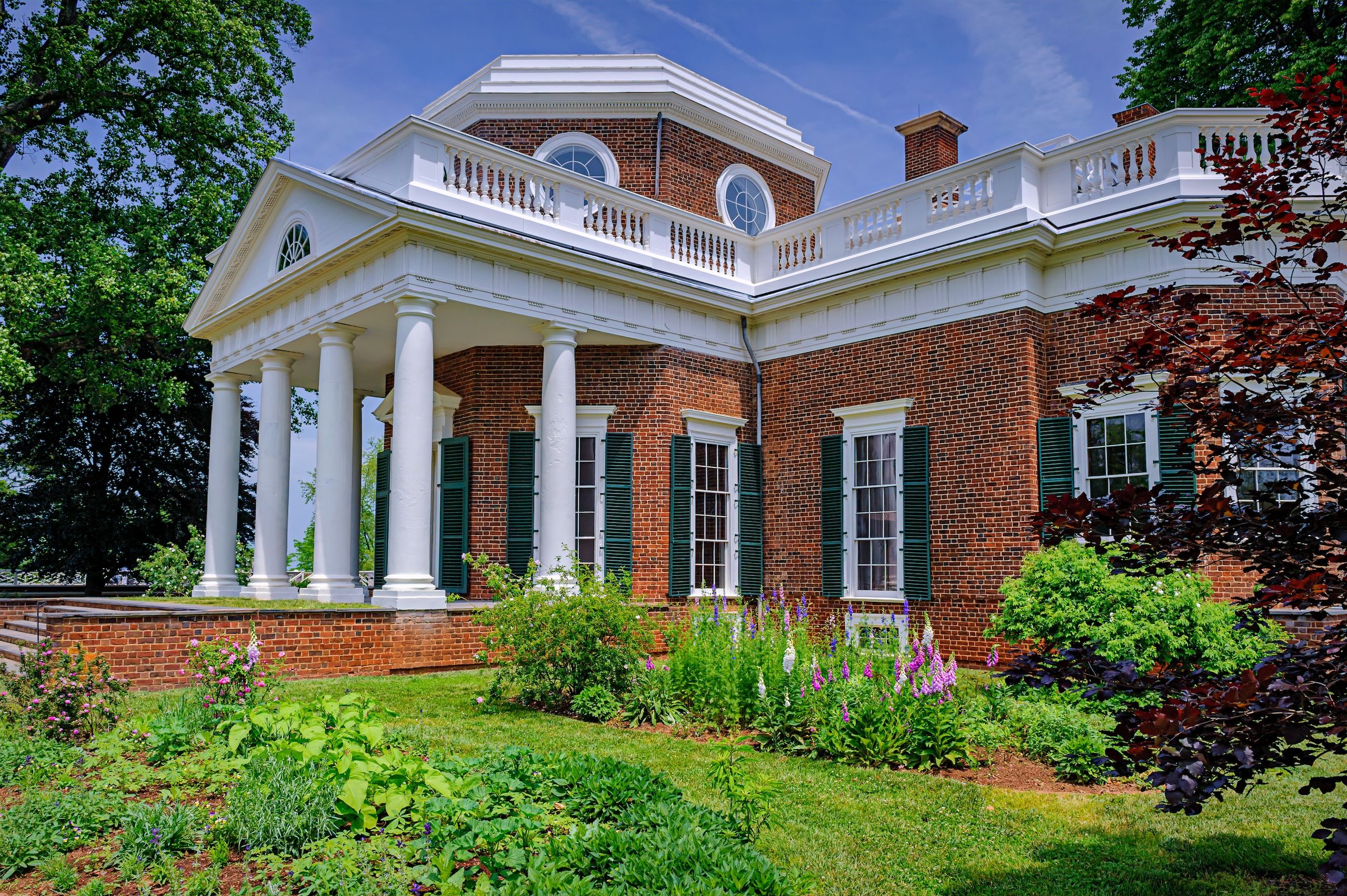
One of the most notable of such attempts was undertaken by Thomas Jefferson, third President of the United States and passionate wine enthusiast, who planted European grape varieties such as Cabernet Sauvignon and Merlot at his Monticello estate in Virginia.
Despite more than three decades of stubborn experimentation, Jefferson never succeeded in producing a reliable vintage from these vines.
Vitis vinifera’s failures in North America were long attributed to factors such as unfavourable climate, soil conditions, or poor vineyard practices, but a far more significant element at play was likely the presence of phylloxera.
This microscopic root-feeding pest native to North America that would later decimate European vineyards once inadvertently introduced there in the 19th century.
More substantial viticultural progress came with the arrival of Franciscan missionaries in the American southwest, who cultivated the Mission grape, a variety imported from Spain – via Mexico – and later identified as Listán Prieto.
This grape became the foundation of California’s early wine industry, demonstrating the region’s capacity for sustained viticulture.
Indeed, while wine production expanded across the United States, it was California that laid the groundwork for what would become the epicentre of American winemaking, driven in large part by European immigrants bringing both technical expertise and commercial ambition.
Among them were Agoston Haraszthy, a Hungarian who established Buena Vista in Sonoma in 1857, and German immigrant Charles Krug who founded his namesake winery in Napa Valley in 1861.
Third American President Thomas Jefferson devoted over three decades to his dream of producing European-style wine at his Monticello estate in Virginia.
Unhappy with America’s native vines, he imported Vitis vinifera cuttings such as Cabernet Sauvignon, Merlot, and Chardonnay, and even partnered with Italian viticulturist Filippo Mazzei (ancestor of the same Mazzeis still producing wine today) in an effort to ensure the project’s success.
His plantings repeatedly failed and Jefferson never produced a successful commercial vintage.
He blamed climate and soils, yet the likely cause was pests and diseases, most notably phylloxera, a North American root-feeding aphid which European vines had no resistance to.
Jefferson died convinced fine wine could not be made in his country. Yet the same native American vines he deemed unworthy would later prove essential to saving European viticulture from phylloxera itself and, ultimately, to enabling Vitis vinifera to thrive on the very land where he had so repeatedly failed.
Prohibition: Time for a reset
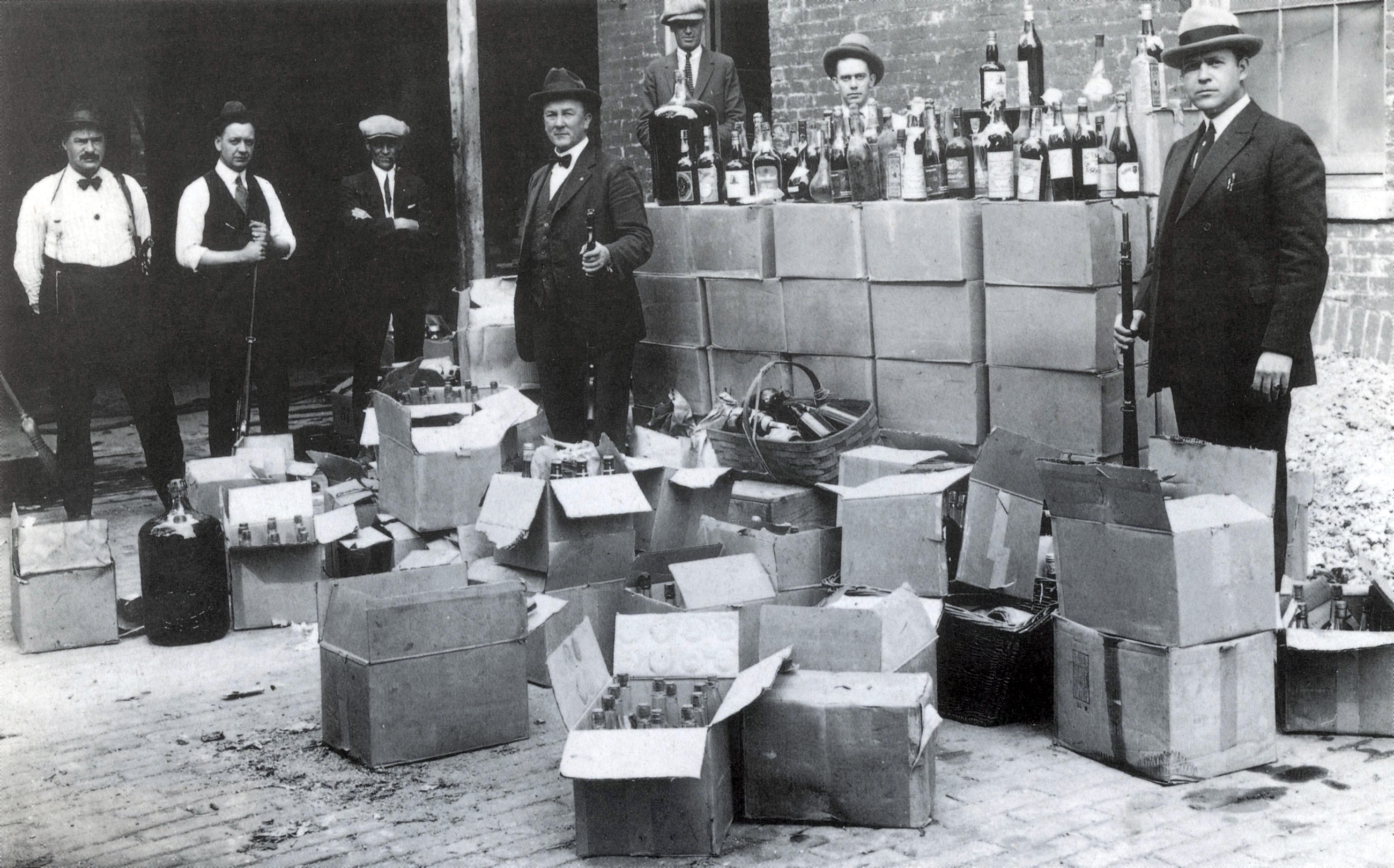
As Europe grappled with the devastation of phylloxera towards the end of the 19th century, the United States was laying the groundwork for a constitutional alcohol ban.
Nationwide prohibition officially began in January 1920. Its impact on American wine was immediate and severe.
Most commercial wineries ceased operations altogether, bringing what had so far been a growing and increasingly ambitious industry to an abrupt halt.
Wine production, however, did not disappear entirely. Wineries such as Beaulieu Vineyard and Beringer were able to survive the dry years by producing sacramental wine for religious institutions.
At the same time, a legal loophole created a parallel informal economy centred around domestic winemaking, particularly in immigrant-heavy urban areas like New York, Chicago, and Boston.
By the time Prohibition was repealed in December 1933, only a small fraction of America’s wineries were still operational.
The industry’s entire commercial infrastructure – vineyards, distribution networks, oenological expertise, and consumer culture – had to be rebuilt almost from scratch.
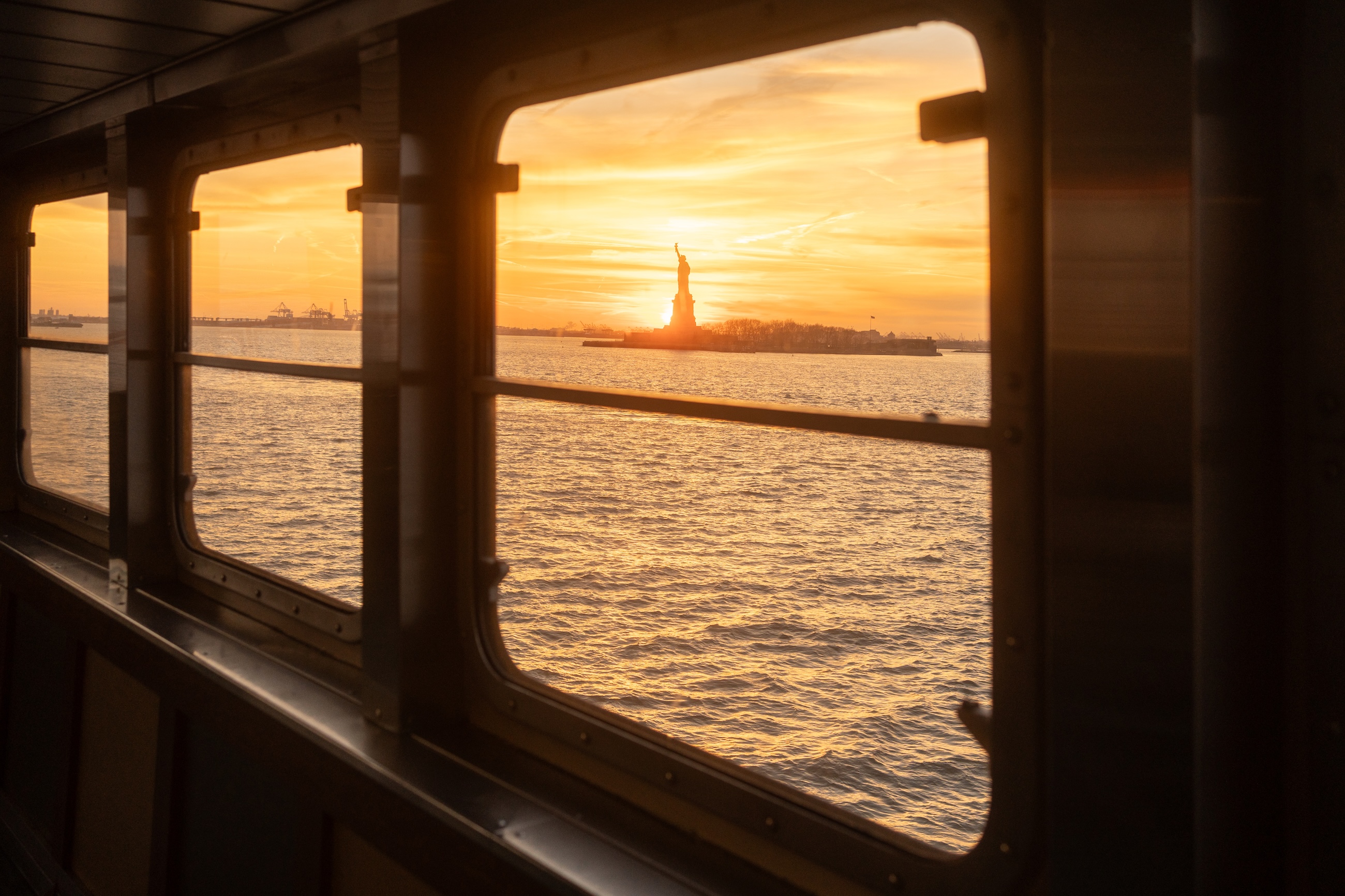
The United States is often described as a nation built by immigrants, who populated its lands and cities fleeing persecution, political instability, or in search of better opportunities.
Such a deeply ingrained cultural narrative is especially evident in the country’s wine industry.
Prussian-born Charles Krug and Hungarian-born Agoston Haraszthy, for instance, were both immigrants who arrived in California during the Gold Rush era and played foundational roles in shaping American wine identity.
Some of the US’ most influential wine dynasties – including the Gallos and the Mondavis – represent further enduring instances of this migrant legacy.
Beyond production, migrant families played an equally important role in shaping the wine trade, too.
Few examples are as significant as the Italian-American Mariani family and their Banfi business.
In the 1970s, Banfi transformed the American commercial wine market by introducing the Riunite cooperative’s sweet version of Lambrusco. Perfectly tuned to the American palate, it became the best-selling imported wine in US history.
The Marianis later channelled those extraordinary profits to establish the ambitious Castello Banfi estate in Tuscany’s Montalcino.
Before their arrival, Brunello was an admired product, yet made by only a small number of financially struggling estates in a largely impoverished region.
The Mariani family’s unprecedented investment injected vital capital and commercial momentum, helping to transform Brunello into one of the world’s most recognised and sought-after fine wines.
Finally, migrants also played a crucial role in sustaining American wine drinking culture during the years of Prohibition.
A regulatory loophole allowing limited home production enabled many immigrant communities (for whom wine was an everyday staple and who were often heavily targeted by Prohibition-era rhetoric) to continue making their own supply.
By producing wine at home and sustaining demand for wine grapes, these communities helped keep vineyards economically viable and ensured that both viticultural knowledge and wine-drinking traditions survived until repeal.
California Chablis, jug wine and post-Prohibition rebirth
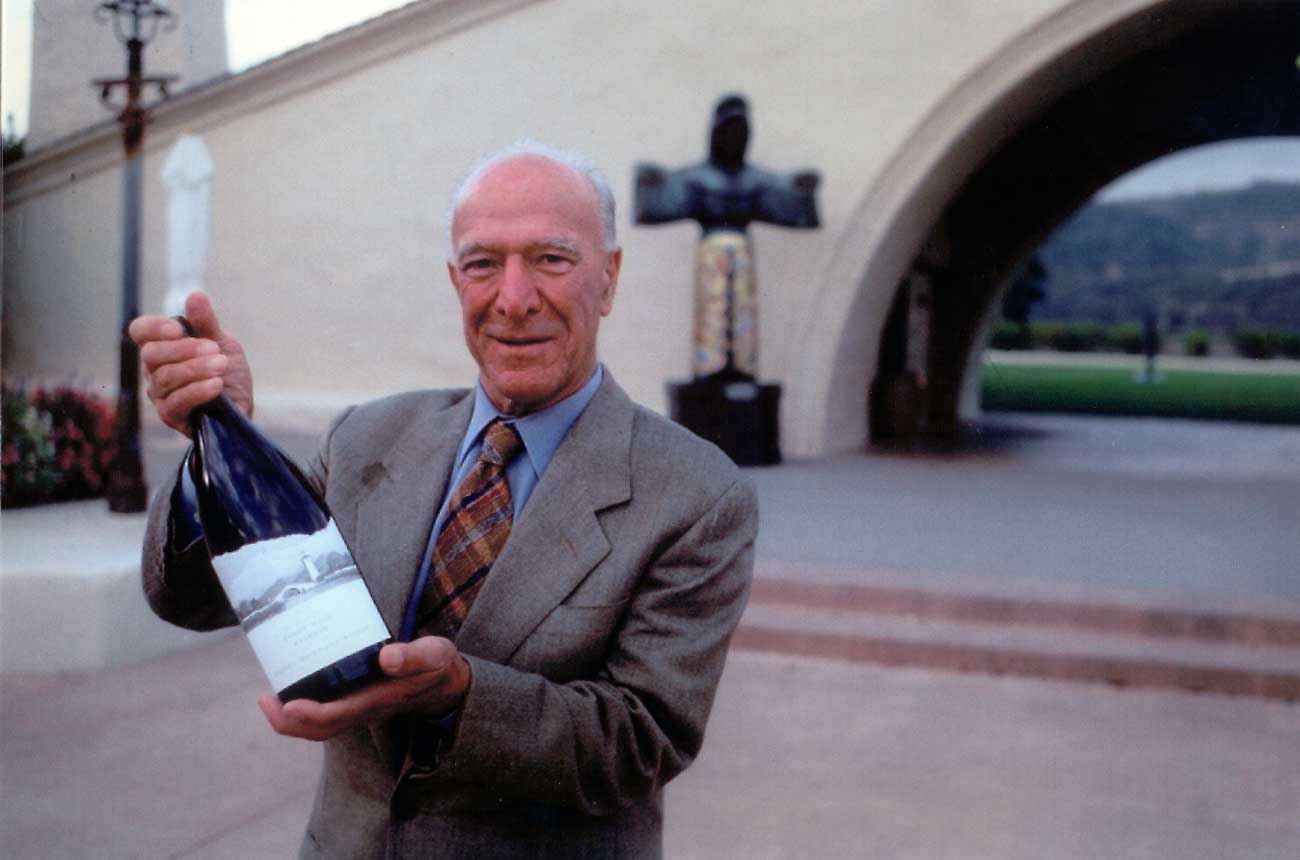
For much of post-Prohibition America, wine was primarily an inexpensive intoxicant, often sweet, and produced in ‘Port’ or ‘Sherry’-style expressions that bore little resemblance to their Old World counterparts.
Yet, beneath these high mass-market volumes, some producers began investing seriously in quality and in the long-term potential of American wine.
One of the most transformative moments came in 1938 with the arrival of Russian-born winemaker André Tchelistcheff at Napa’s Beaulieu Vineyard.
Widely regarded as one of the founding architects of modern Californian wine, Tchelistcheff introduced a new level of scientific rigour and technical precision to viticulture and winemaking, drawing heavily on European high standards while adapting practices to Californian conditions.
Through direct mentorship and broader industry influence, Tchelistcheff helped shape a new generation of winemakers, including figures such as Robert Mondavi, Warren Winiarski of Stag’s Leap Wine Cellars, and Miljenko ‘Mike’ Grgich of Grgich Hills, who would play defining roles in the rise of modern American wine.
Robert Mondavi, in particular, proved instrumental in reshaping the narrative surrounding Californian wine.
Rather than relying on (then common) European-inspired names such as ‘California Chablis’ or ‘Napa Burgundy’, he championed varietal labelling, placing grapes such as Cabernet Sauvignon and Chardonnay front and centre.
Mondavi also promoted wine as part of a broader cultural lifestyle connected to gastronomy, music, art, and conviviality, helping (re)position it as an aspirational product rather than a merely functional one.
By the 1970s, the United States was producing wines capable of competing with the world’s finest.
British wine merchant Steven Spurrier was sufficiently convinced of such progress that, in 1976, he organised a blind tasting in Paris pitting leading Californian wines against some of France’s most prestigious labels.
The outcome of what would become known as the Judgment of Paris stunned the audience, the jury, and the industry as a whole: Californian wines triumphed in both the white and red categories, defeating celebrated Burgundies and Bordeaux.
The tasting marked a watershed moment for American wine, securing its place on the global fine wine map and fundamentally altering international perceptions of what the country was capable of bottling.
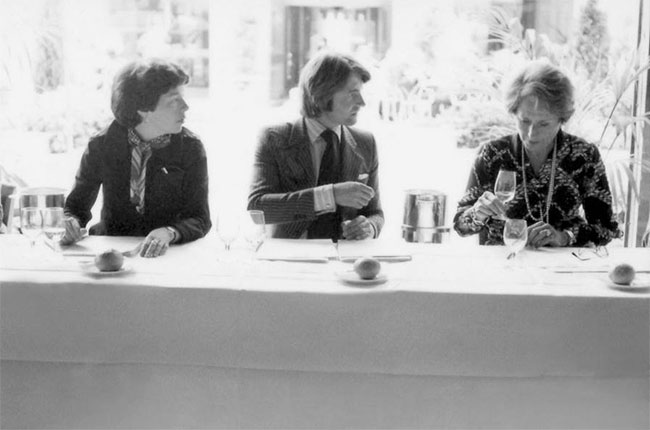
In the 1970s, much of the global wine establishment was still deeply sceptical of the quality of American wine.
Committed to proving the world wrong, British wine merchant Steven Spurrier organised a tasting that would later be known as the 1976 Judgment of Paris.
Spurrier pitted leading Californian wines against some of France’s most revered estates, all judged blind by an elite panel of respected French palates.
To the astonishment of everyone involved, California’s wines triumphed, with Château Montelena Chardonnay ranking first in the white category and Stag’s Leap Wine Cellars Cabernet Sauvignon outperforming several prestigious Bordeaux chateaux.
The results reverberated across the wine world, permanently altering perceptions of American wine.
Decades later, the event provided ideal material for cinematic retelling. Few wine stories so clearly embody the quintessential American Dream narrative as the Judgment of Paris after all.
Released in 2008 and starring Alan Rickman as Steven Spurrier, Bottle Shock dramatised the events surrounding the tasting and helped introduce the story to a broader mainstream audience (while taking significant creative liberties with historical accuracy).
The legacy of the event has expanded into other artistic forms, too. Composer Jake Heggie and librettist Gene Scheer recently created a one-act opera to mark the tasting’s 50th anniversary.
The Judgment of Paris is no longer just wine history: it has become pure cultural mythology.
Napa Cab and The Critics

In the years that followed this landmark moment, Californian winemaking increasingly shifted towards a style defined by power, ripeness, and opulence, producing wines marked by intense fruit concentration, elevated alcohol levels, deep extraction, and generous use of new French oak.
This evolution was strongly shaped by the rise of influential critic Robert Parker Jr, who tended to favour this bold, ripe stylistic approach, rewarding it with higher marks in his influential 100-point scoring system.
This philosophy gradually spread beyond California, in a phenomenon referred to, sometimes critically, as Parkerisation.
From Bordeaux to Tuscany and Rioja, producers increasingly embraced riper fruit, softer tannins, later harvesting, and more assertive oak regimes.
They often sought input from influential international consultants such as Michel Rolland, in pursuit of the high critic scores they felt could elevate reputation, demand, and revenues almost overnight.
As the 20th century drew to a close, the United States had entered an entirely new phase of its wine history.
No longer a country merely striving to prove its legitimacy to the global wine establishment, it had become one of the principal forces shaping its direction, aesthetics, and economic dynamics.
In Europe, wine is often deeply embedded in regional identity and its culture has developed organically over millennia.
By contrast, America’s wine drinking emerged over a few centuries as more of a lifestyle choice. With fewer entrenched historical and social constraints, popular culture tends to exert a significantly greater influence on the preferences of American drinkers.
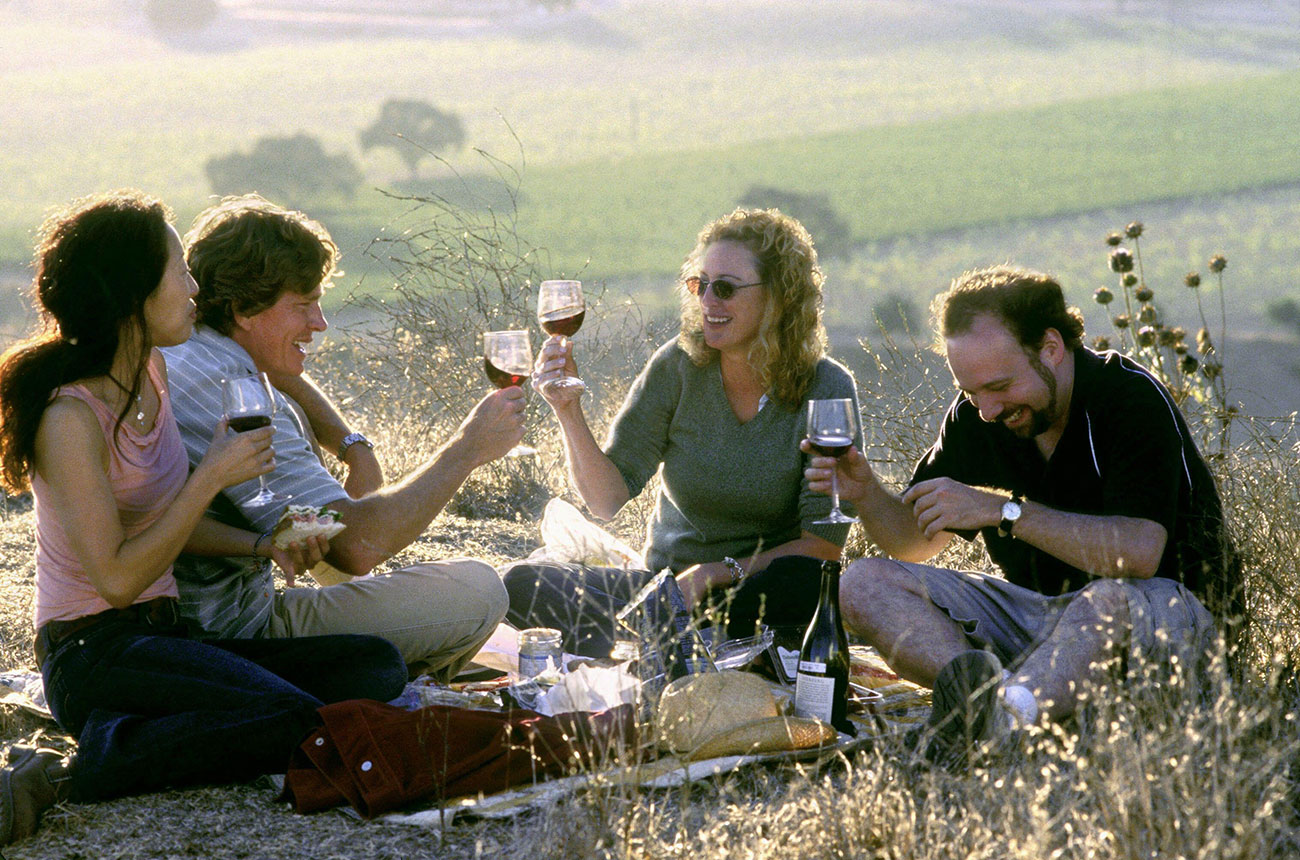
Released in 2004 and starring Paul Giamatti and Thomas Haden Church, Sideways is perhaps the clearest and most striking example of how a single line of cinematic dialogue can dramatically shape people’s behaviour.
Miles (Giamatti), a depressed, neurotic, and wine-obsessed schoolteacher, embarks on a road trip through California’s Santa Ynez Valley wine country with his soon-to-be-married friend Jack (Haden Church).
Miles consistently romanticises Pinot Noir throughout the film (its delicacy and demanding nature perhaps mirroring his own emotional fragility) while firmly dismissing Merlot.
‘No, if anyone orders Merlot, I’m leaving. I am not drinking any f***ing Merlot!’ he famously snaps at one point.
In the aftermath of the film’s release, Merlot sales declined sharply, while Pinot Noir surged in popularity, becoming, for many American drinkers, a marker of cultural sophistication.
A multi-layered landscape
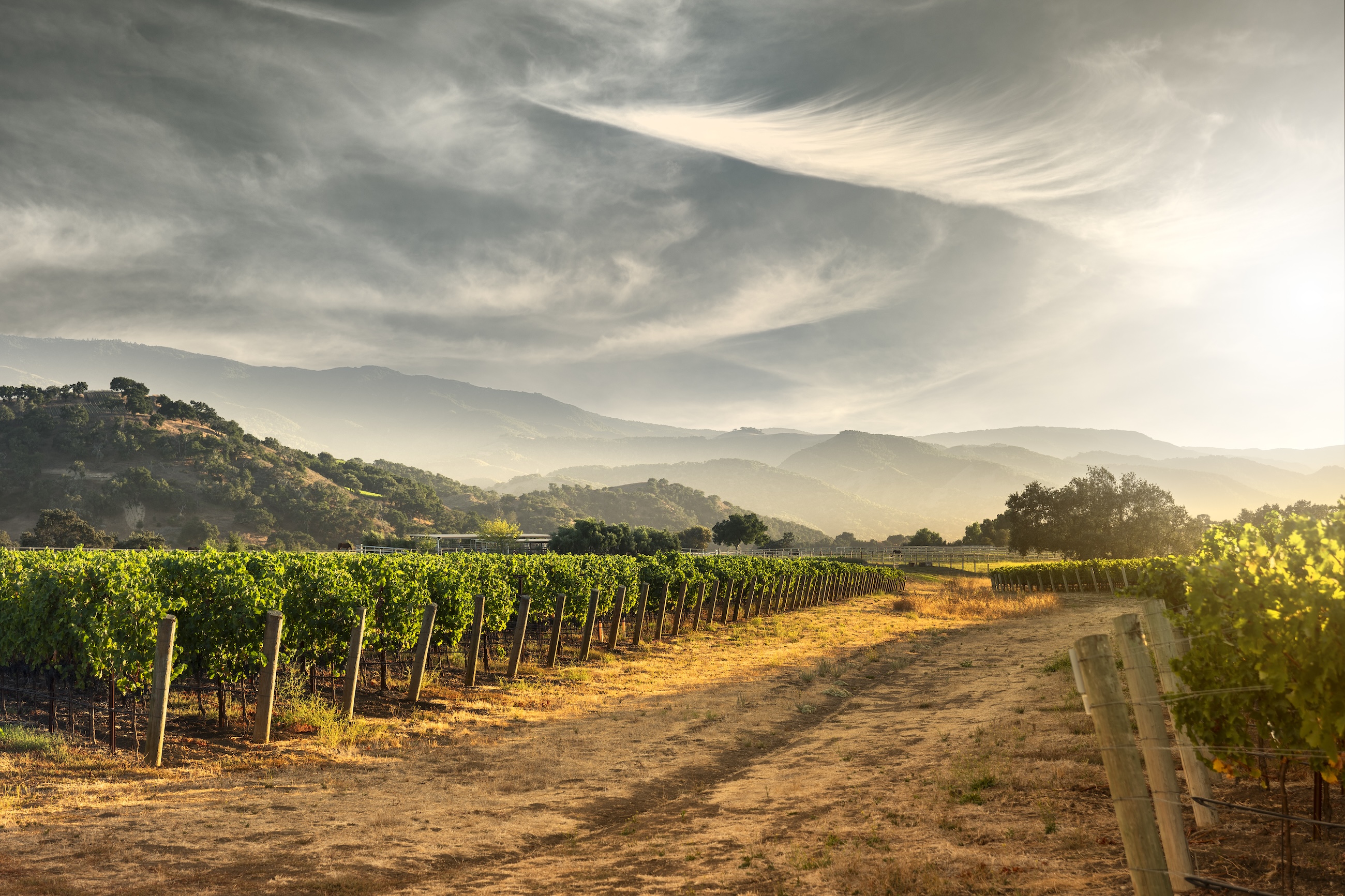
Modern American wine is a remarkably nuanced landscape, one that mirrors the equally complex history of the country itself and the multitude of cultures, migrations, and traditions that shaped its social fabric.
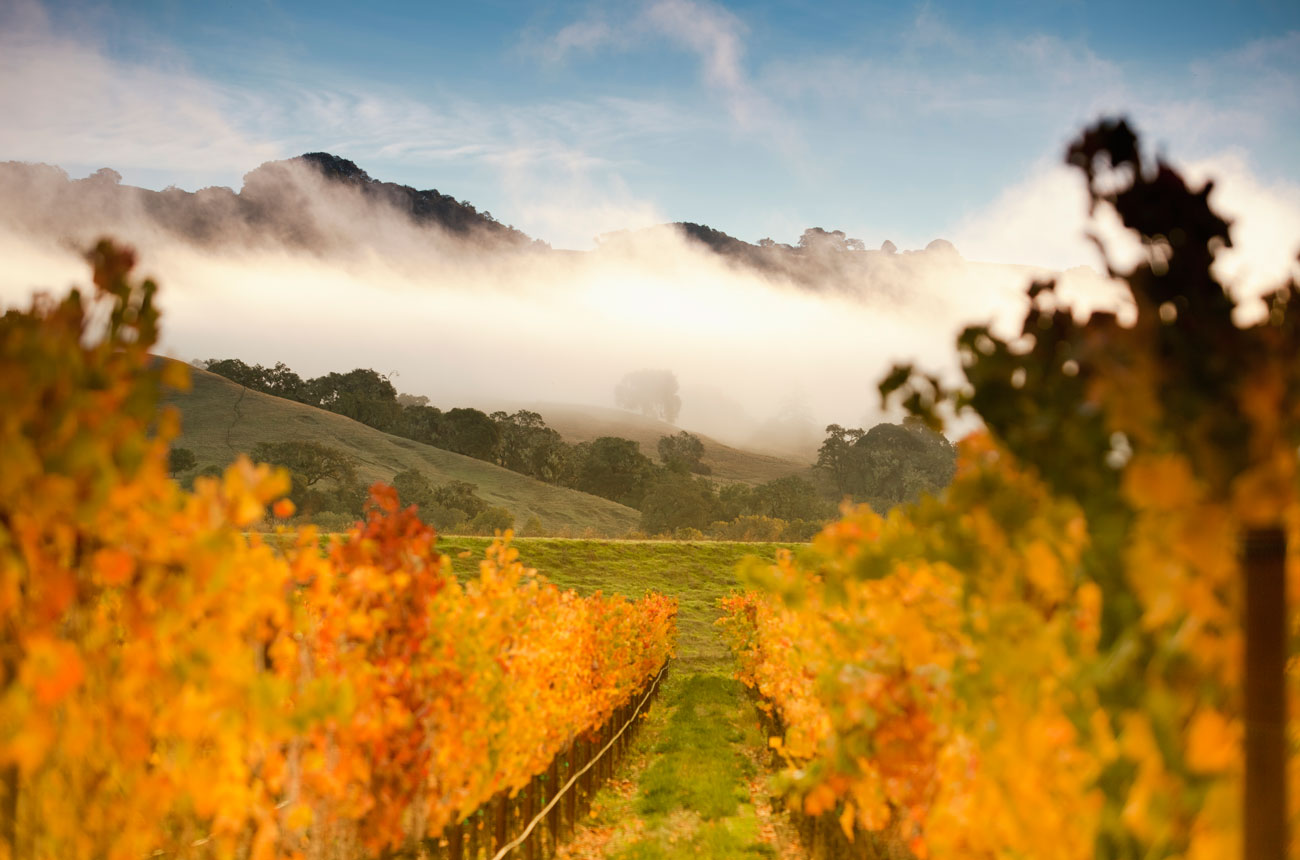
California continues to dominate both production volume and the premium sector, but has become far more stylistically diverse than the blockbuster Cabernet stereotype often associated with it.
Powerful Napa Cab still occupies a central place in the state’s identity, yet California today produces an extraordinary range of styles, from refined coastal Pinot Noir and Chardonnay to Mediterranean varieties such as Grenache, Mourvèdre, Carignan, and Vermentino.
Zinfandel (arguably America’s most emblematic grape) is also being reinterpreted in more nuanced and site-specific ways.
Meanwhile, fellow West Coast states have, over the past few decades, firmly joined the race for quality wine production.
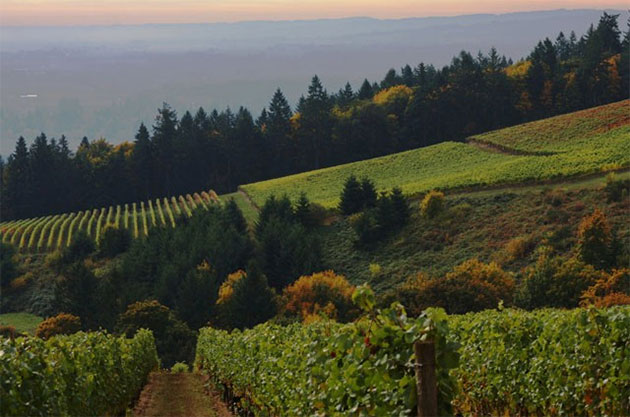
Oregon has established itself as a leading cool-climate region, particularly for elegant Pinot Noir and Chardonnay, while Washington State has earned acclaim for structured Cabernet Sauvignon, Rhône varieties, and vibrant Riesling.
On the East Coast, New York’s Finger Lakes region has steadily built a reputation for refined, high-acid, cool-climate wines, particularly Riesling and Cabernet Franc.
Centuries after Thomas Jefferson’s failed experiments, Virginia has also finally found its winemaking identity, acclaimed for Cabernet Franc and Viognier, grapes well suited to the state’s humid continental climate (though producers are successfully working across a wide range of styles and varieties).
Beyond these, quality wine is produced in almost every American state, from the Mediterranean varieties of Texas to the cool, fresh, and unexpectedly refined whites of Michigan.
Across the country, winemakers now express a striking diversity of approaches and philosophies, with an increasing emphasis on regional identity over homogenised stylistic consistency.
The story of American wine may have begun as a matter of trial and – significant – error, but in the span of a semiquincentennial it has morphed into a deliberate, confident, and increasingly self-assured expression of place, as diverse and expansive as the country itself.
Related pages
California wine articles
Oregon wine articles