


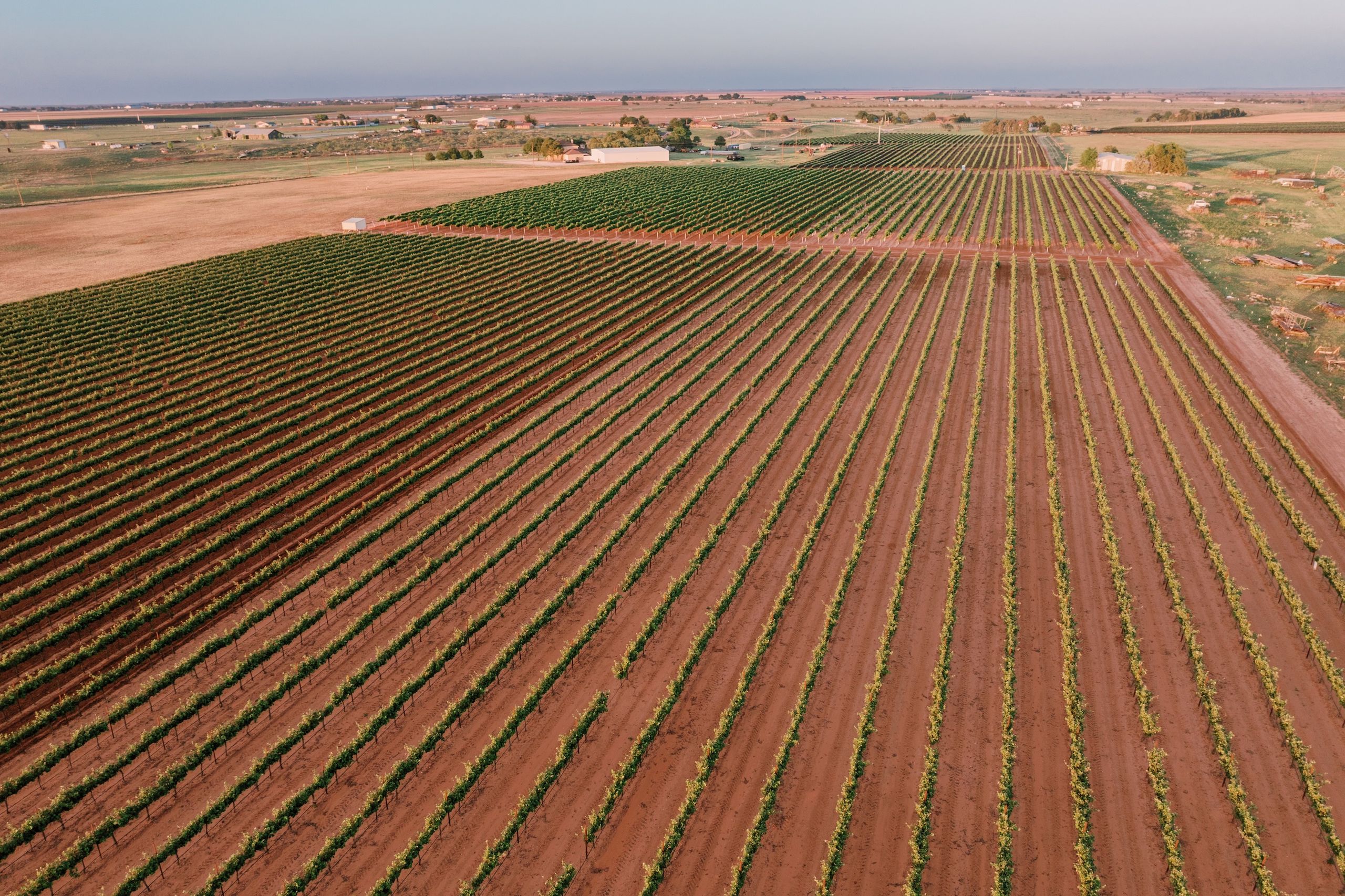
The Texas High Plains does not look like most visitors’ idea of wine country. It is broad, flat and exposed, a place of cotton fields, caliche soils, hard winds, spring frost and summer hail. For many wine drinkers, the region may barely register at all. Yet this high, dry plateau around Lubbock and Brownfield grows more than 80% of the grapes that become Texas wine.
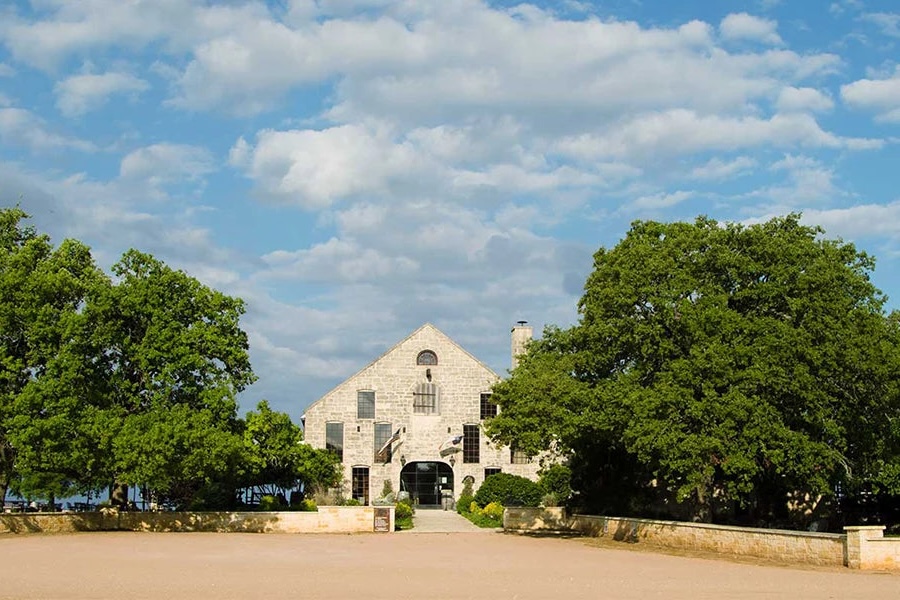
Far to the south, in the pastoral rolling limestone hills around Fredericksburg, visitors sip those wines under live oaks and string lights, often unaware that a bottle of Texas wine frequently begins in one landscape and is sold in another. The industry is unusually dependent on relationships between growers and wineries separated by more than 644 kilometres.
‘The High Plains is just such a wonderful place’, says Remi Immler, head winemaker at Becker Vineyards, one of Texas Hill Country’s legacy wineries and a significant buyer of High Plains fruit. ‘You have this high, dry, desert climate where you can grow a lot of wonderful varieties: Italian, Spanish, Bordeaux and really beautiful whites. They all just do so well up there’.
Texas wine has been called ‘emerging’ for so long that the word has begun to obscure more than it explains. Today, with stronger ratings from critics and growing international recognition, the state’s wine industry is better understood as established but still misunderstood. The question is whether the long-distance agricultural system behind its quality can endure.
Better grapes, but lower demand
That system has always required trust. Grapes grown in the High Plains shape wines poured in Hill Country tasting rooms, and relationships built over years on handshakes and repeated harvests have long held the system together.
During the early years of the pandemic, many Texas wineries saw sales surge as consumers bought more wine to drink at home. ‘From 2020 into early 2023, we couldn’t keep wine on the shelf’, says Ron Yates, owner of Ron Yates Wines and Spicewood Vineyards. Wineries bought grapes aggressively, growers responded to that demand, and higher prices followed. Then consumer sales softened, inventories backed up, and growers had fruit in the vineyard with fewer buyers ready to commit.
‘The irony is that 2025 might be one of the best vintages we’ve ever seen in Texas’, Yates says. ‘It was cooler, the storms dropped the temperatures at the right time, we didn’t add a single grain of tartaric acid, and yet a lot of that beautiful fruit struggled to find a buyer’.
The weather this spring may have countered that two-year dip in demand. A freeze across both the High Plains and Hill Country on 17 March significantly lowered yields, particularly among white varieties. Several growers and winemakers see the short crop as a painful but potentially useful reset, helping bring supply back into balance.
This is the paradox defining the High Plains right now. The region is not struggling because Texas failed to improve. Many winemakers argue the opposite: the best High Plains fruit is better understood, better farmed and more important than ever. But quality alone cannot stabilise a farming economy.
The pressures of High Plains viticulture
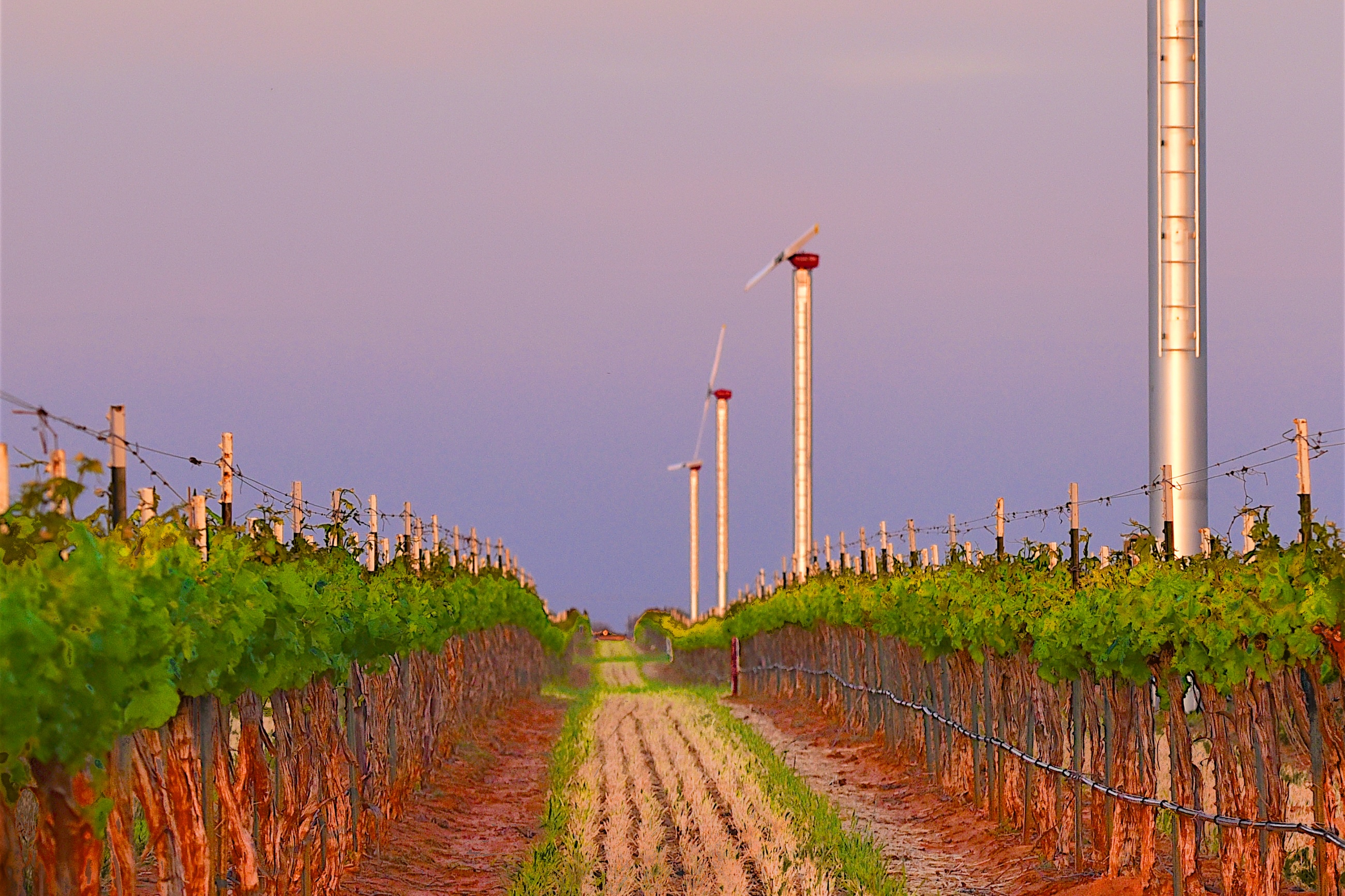
High Plains grapegrowers have always faced weather challenges. Spring frost, hail, wind, drought and synthetic pesticide drift from nearby row-crop agriculture are part of the region’s reality. But recent pressure has come as much from the market as from the sky. Wineries with excess inventory have pulled back on grape purchases. Multi-year contracts have become less common. Some buyers wait until harvest to see what fruit can be found on the spot market at a lower price.
For Katy Jane Seaton of Farmhouse Vineyards, that uncertainty directly affects how she farms. ‘The High Plains is always going to carry on quality for the same old reasons’, she asserts. ‘We’re a region of generational farmers. Many of these families farmed row crops for generations before planting vineyards. It’s agriculture for a living, here’.
But agriculture requires planning and capital. At Farmhouse, fully contracted blocks receive the premium program: nutrition, hand work, pruning and detailed canopy care. Blocks with likely buyers get solid but reduced attention. Uncontracted fruit receives only enough care to keep vines healthy.
‘If it was contracted, you got an A-plus farming plan’, she says. ‘If it wasn’t contracted, we give nutrition down the drip line, and that’s it’.
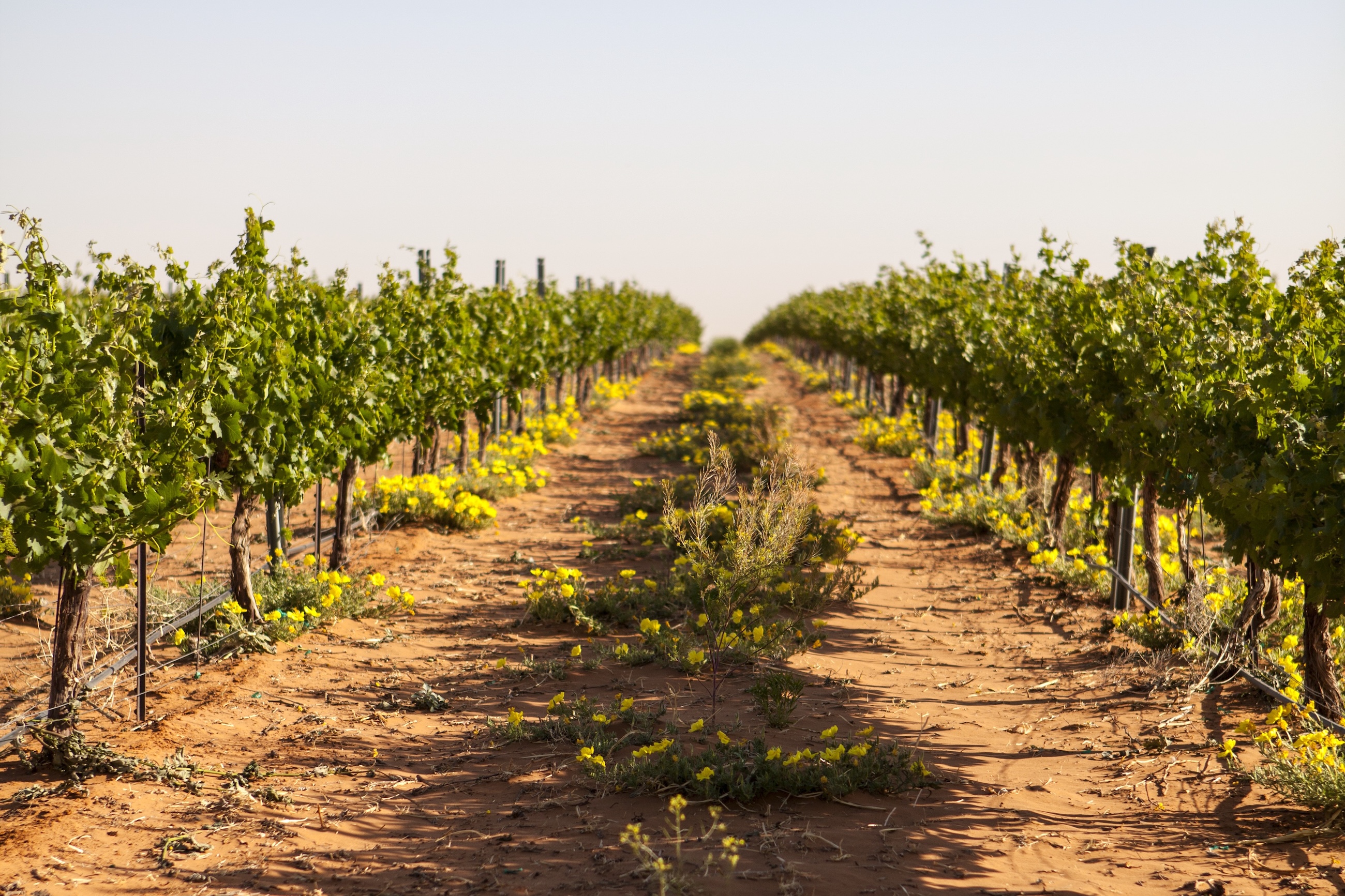
From one of the state’s largest and most diverse High Plains properties, Akhil Reddy of Reddy Vineyards sees the same fragility. His father, Vijay Reddy, planted the family’s first vines near Brownfield in 1997 and later added a winery. Akhil grew up around the farms, became a dentist, built practices, and eventually returned full-time to vineyard and winery life. Today, the vineyard spans just under 162 hectares, with 38 grape varieties.
For Reddy, diversity is both ambition and insurance: the dozens of varieties, clones and more than 100 blocks are designed to absorb Texas volatility. Freeze, hail, heat and market shifts rarely affect everything equally.
Still, he is candid about the economics. ‘It’s extremely hard to farm and to make a profit’, Reddy says. ‘And then it’s extremely hard to make really great wine, but you can only do that with really great fruit. And what’s even harder is selling the wine’.
Looking beyond Texas’ borders
If wine does not sell, grapes do not sell; if grapes do not sell, vineyards lose investment. For Reddy, one answer is professionalization. The handshake culture of earlier decades no longer feels sufficient, so he now uses formal grape contracts, including deposits to ensure buyers have ‘skin in the game’.
Connor Wilmeth, vineyard manager at Lahey Vineyards, is also pushing beyond old assumptions. At 33, he oversees roughly 405 hectares of vines and brings a row-crop marketing background to grapes. Much of his crop goes to wineries such as McPherson Cellars and Becker Vineyards, but he has also been driving to East Coast states, introducing Texas grapes, juice and wine to buyers that already source from California and South America. For many East Coast buyers, Texas also offers a shorter freight route than California.
‘I try to apply my experience in the row-crop industry’, Wilmeth says. ‘I was on the board of a cotton marketing cooperative that merchandises cotton all over the world, and for me the question was, why are we only selling grapes locally’?
He understands the importance of strengthening Texas wine, but he also has a business to run. Rather than leaving fruit to rot when local demand softens, Wilmeth argues that Texas should compete where it has advantages: its proximity to eastern markets and its broad range of prestigious vinifera grape varieties.
That idea has support from Kim McPherson of McPherson Cellars, one of the few prominent producers making wine in the High Plains itself. After decades working with regional growers while building a brand that sells beyond the tasting room, McPherson argues that the next chapter depends on wider distribution and wines that can compete outside the state’s local markets.
Seeking a succession plan
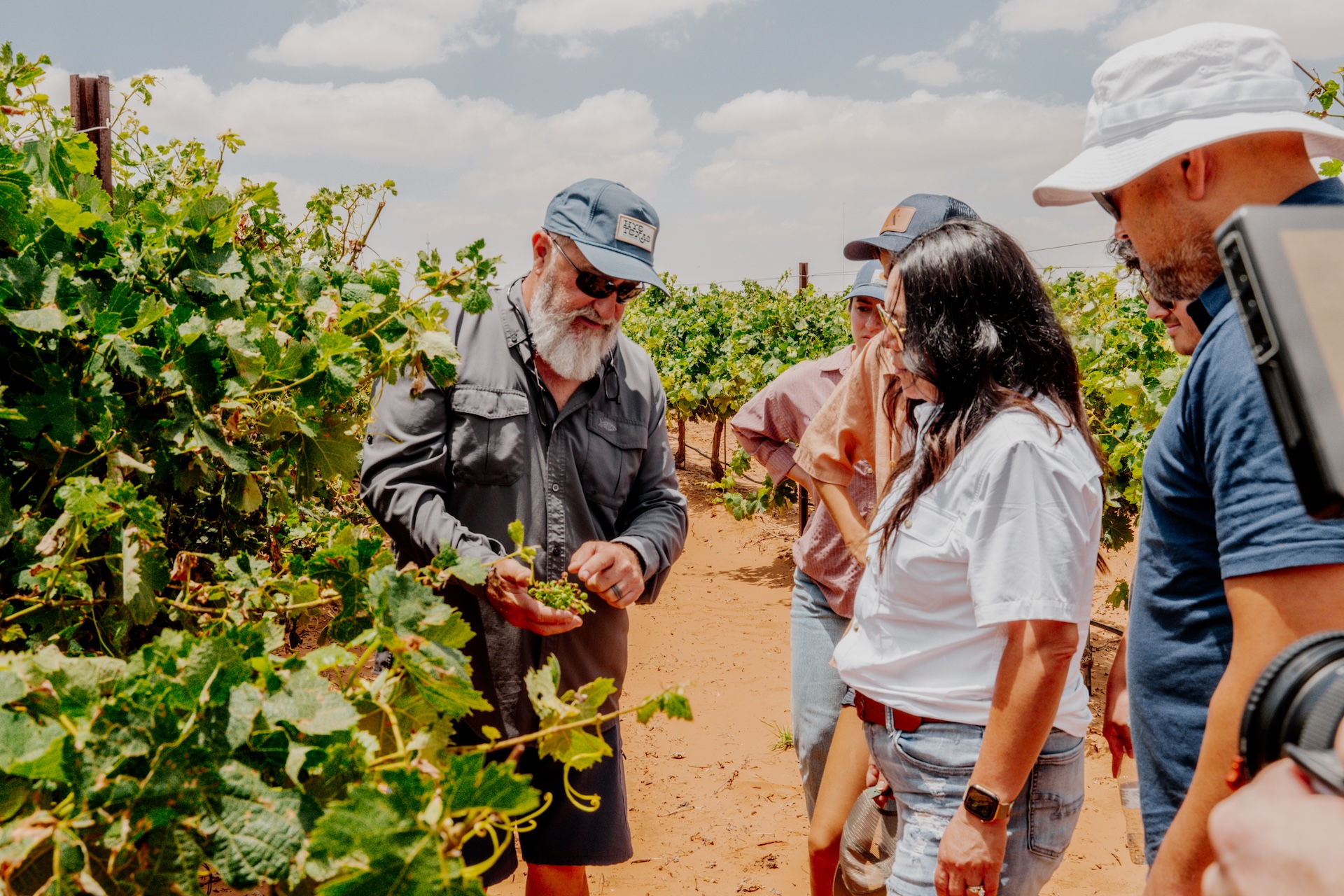
Several growers who helped build the High Plains’ reputation are now trying to transition out of the business. Jet Wilmeth of Wilmeth Family Vineyards is retiring; Andy Timmons of Lost Draw Cellars has reduced the acreage he farms; and families such as the Binghams and Newsoms are considering how to carry important vineyard sites into the next phase.
Neal Newsom, whose vineyard has long been regarded by winemakers as one of the state’s benchmark sites, is not pessimistic. Last year, he says, was one of his worst for moving fruit, but demand has improved.
‘I’m not worried about the industry’, says Newsom. ‘This is at least my third or fourth rodeo when it comes to these types of challenges. It’s going to come back; it is already happening’.
His personal question is succession. Over 70 years old, he wants to slow down without walking away, ideally by finding a working partner with enough local presence and financial resources to help carry the vineyard forward.
For wineries that depend on Newsom fruit, the transition is critical. Mike Nelson, winemaker and co-founder of Ab Astris, considers Newsom one of the state’s benchmark farmers. ‘Growers like Neal Newsom prove what’s possible in the High Plains’, he says. ‘But that old guard is aging out, and we need others to continue his level of work’.
Making and keeping connections
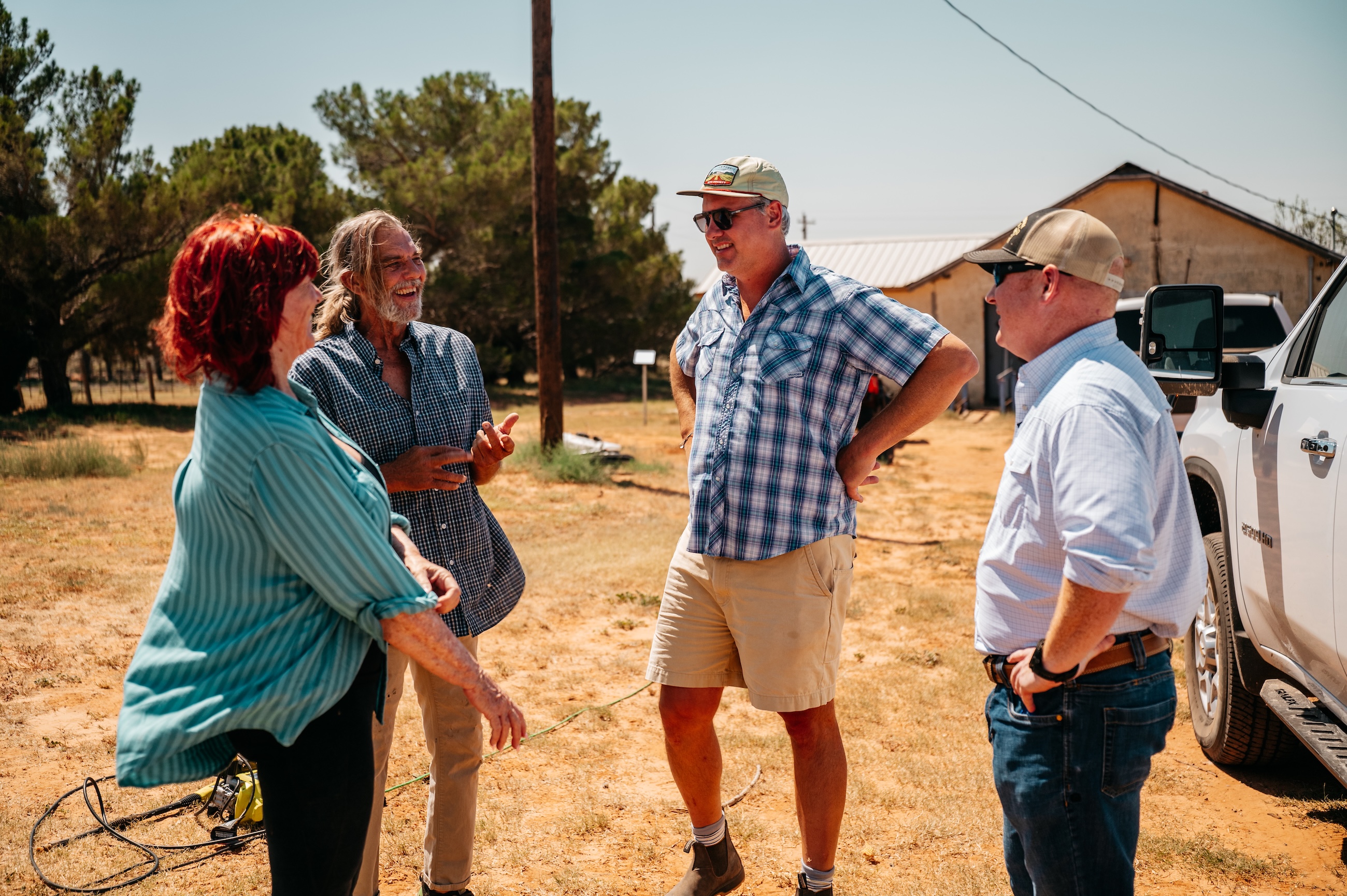
Despite this pullback from pioneering growers, others, such as Tony and Madonna Phillips of Phillips Vineyard, are choosing to stay in. Last year, despite a substantial decrease in demand, the Phillipses were able to place their 2025 crop.
‘It took a lot of phone calls and emails, but we found a home for every grape in our vineyard,’ Madonna Phillips says.
For Tony, grapes remain different from other crops such as cotton or peanuts. ‘When you grow and sell cotton, you have no connection to where that cotton ends up’, Phillips says. ‘The grapes we grow show up as wine in a bottle, often with our vineyard name on it. We can share that with friends and family’.
That emotional connection helps explain why many High Plains growers still believe the work is worth doing.
Chris Brundrett, CEO and co-founder of William Chris Vineyards, sees the current market as a correction, not a collapse. The best growers and most committed wineries will align more closely. But he also warns wineries against exploiting the short-term situation. ‘It’s a buyer’s market today, but that’s not going to last forever’, Brundrett says. ‘How we got to where we are today isn’t by win-lose on the grower side. It’s got to be win-win’.
Immler, 29, brings a younger voice to that same idea. Her focus at Becker in the years ahead is on direct communication: honest reports from growers, honest feedback from wineries, and earlier conversations when weather, quality or cash flow change the plan. ‘It has to be built on relationships’, she says.
For Texas wine to keep moving forward, the Hill Country and High Plains must remain connected not only by refrigerated trucks and purchase agreements, but by a shared understanding of what each side makes possible.
The correction in the High Plains is real. Yet it is also revealing the industry’s strengths: growers willing to rethink markets, families choosing to commit to the difficulty of managing vineyards, wineries still betting on High Plains fruit, and a younger generation interested in building something durable.
Texas has already shown it can make compelling wine. Its next test is whether the long-distance relationships underlying those wines can become as mature as the best bottles now suggest.
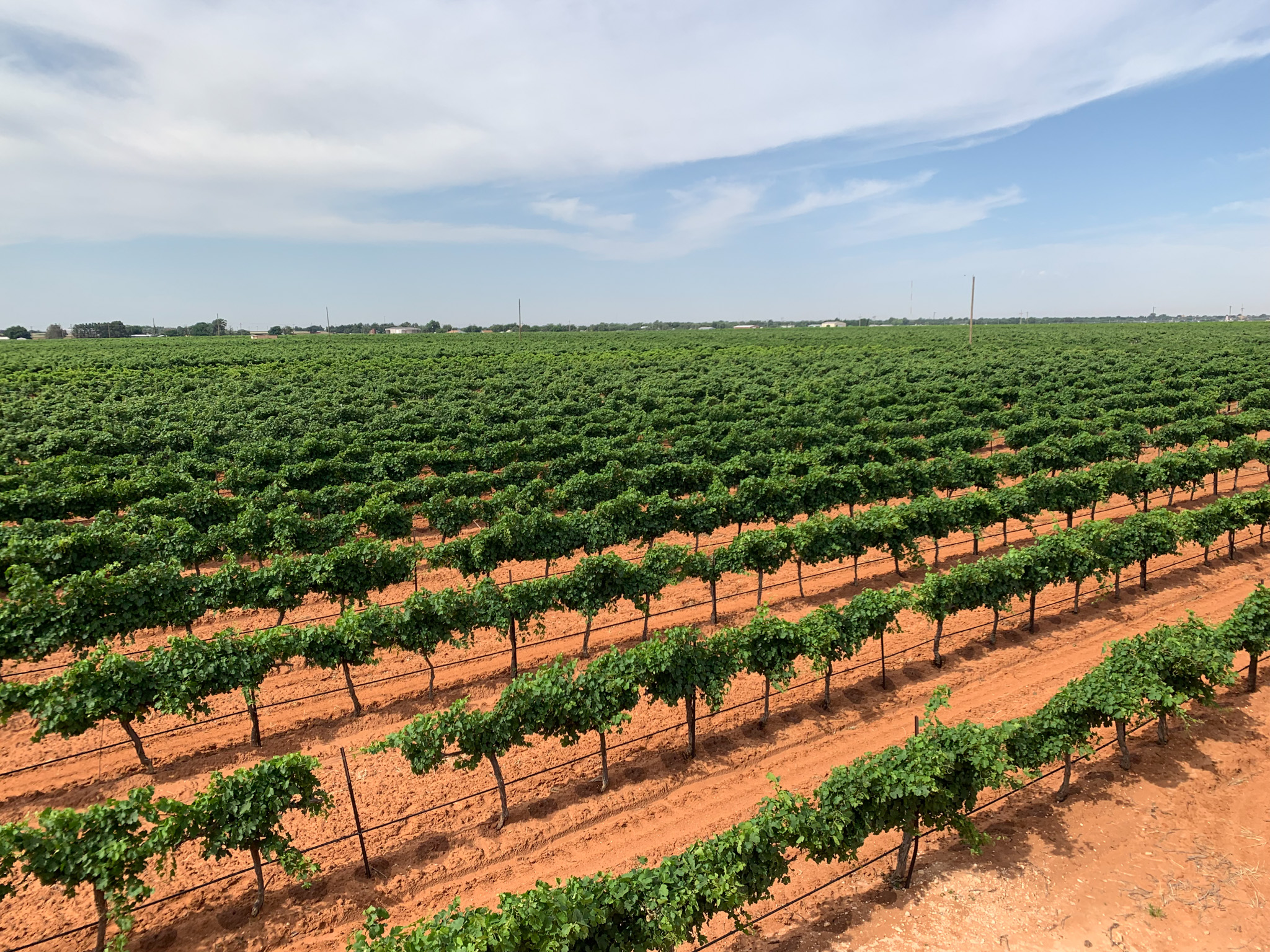
Texas High Plains AVA: Profile plus 10 exciting wines to try
This high-elevation region boasts everything from rich Italian red varieties to flavourful white Rhône styles.
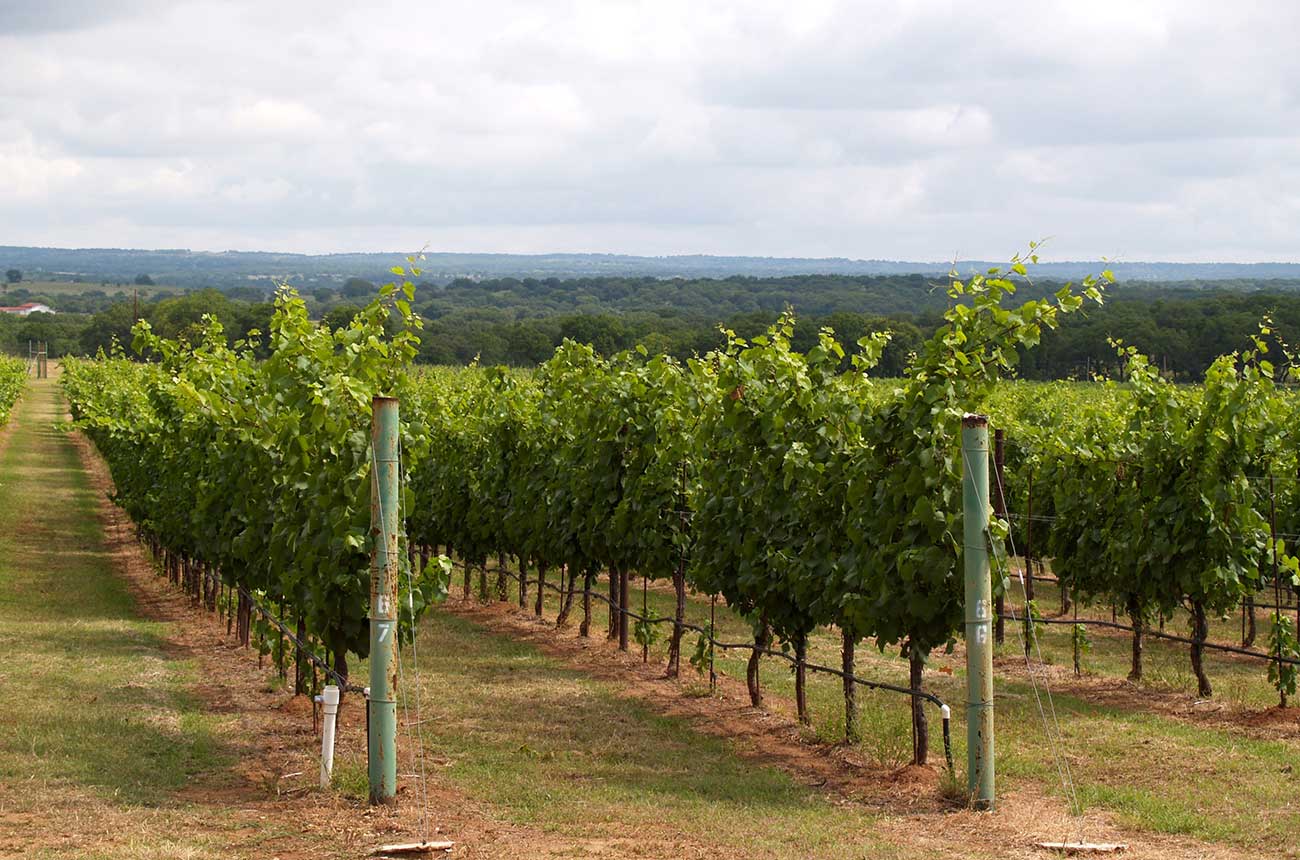
Region on the rise: Texas wines shine at DWWA 2026
Learn more about the history of Texas wines, the varieties grown and famous AVAs, and discover top-scoring wines from Decanter World Wine Awards 2026.
Texas Hill Country for winelovers: The places to know
Hill Country is the home of wine tourism in the Lone Star State. Here are 5 great cellars to visit, as well as top places to eat and drink along the wine trail.
