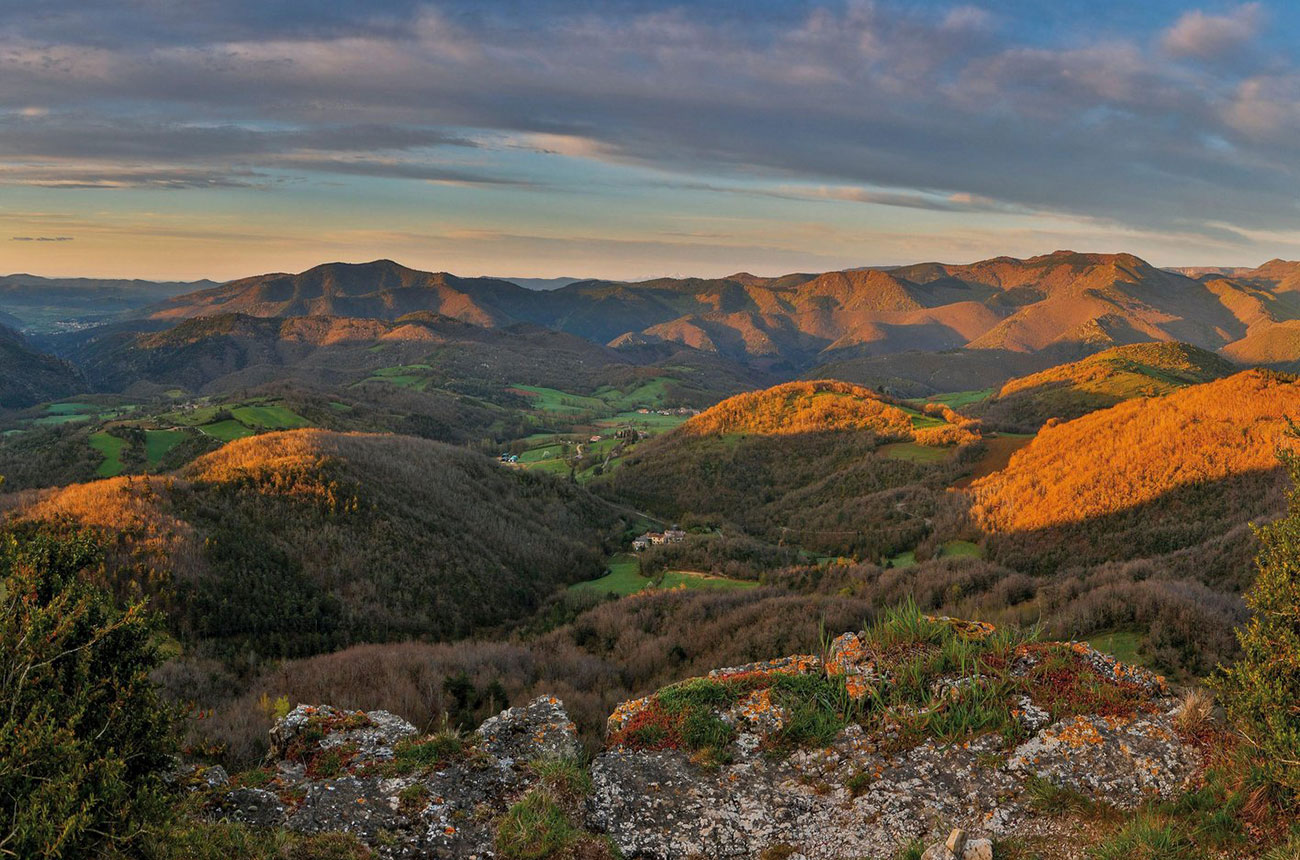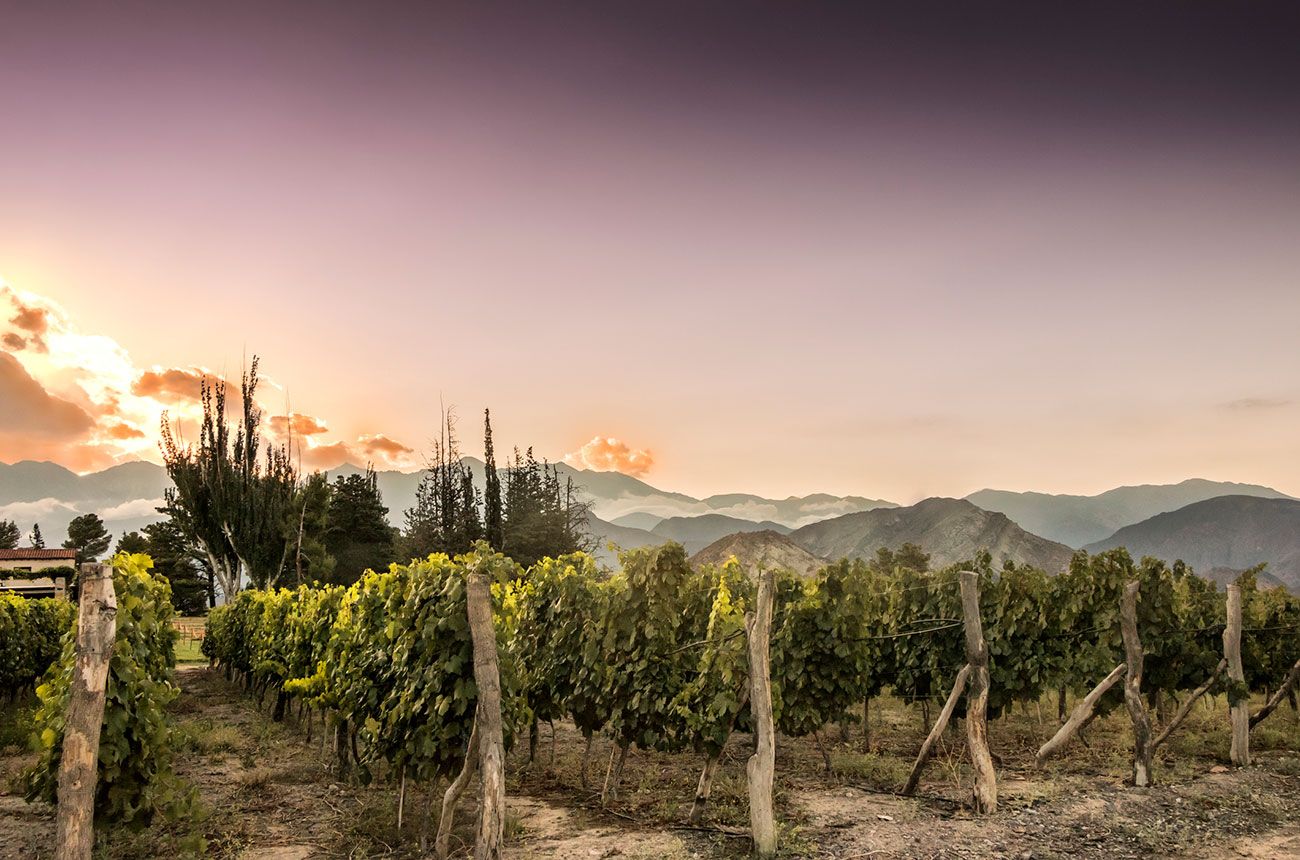
The wine world evolves at different speeds. Some regions stand still – or retreat. Most trundle gently forwards, at ox-cart pace. Occasionally, though, regions accelerate like electric sports cars. A range of new possibilities becomes apparent; diamond-like wines are unearthed, wines with characters and qualities that none of the living have tasted before; producers sprint to acquire and plant still-cheap land while they have the chance.
It happened in the Médoc between 1690 and 1740, during what became known as the fureur de planter, the early 18th-century ‘planting fury’; it happened in New Zealand’s Marlborough between 1997 and today, as 2,655ha of vines became 31,931ha. And it’s now underway in Argentina’s Mendoza, as the almost hallucinatory potential of the Uco Valley’s higher districts becomes apparent.
I’ll return to the Uco story in a later column: the best wines deserve it. Pure, sheer and ravishing, with midnight-dark fruit that tears across your palate in a torrent infused with the flavours of salt-washed desert plants, and with the textures of rock flour dissolved in a milky mountain cascade: all this is unignorable. And therein lies a snag. Uco is so distracting – the Cleopatra of red wines – that we’re in danger of forgetting… lovely Luján.
Luján de Cuyo, the highest-quality part of what is often called Mendoza’s Primera Zona, is comforting, nourishing, maternal. It can be exciting, too, with aubergine-dark colours and a stealthy profundity of its own. Its acid profile, though, is gentler than in Uco; its tannins are broader, plumper and sweeter.
There’s velvet in Luján; with age comes a tender roundness. Maybe Bordeaux’s parliamentarians forgot all about the wines of the Libournais during the Médoc’s fureur de planter; 300 years later, though, we still want both. That Right Bank affability finds an echo in Luján.
Wherein the snag? I was walking, back in June, around Guillermo Barbier’s De Angeles Viña 1924 vineyards: ungrafted centennial vines interspersed (long before the current fashion for agro-forestry) with silvery olive trees. We came to a long, high hedge; Guillermo pointed upwards. Oh, streetlights. I peered through the hedge: new roads, empty plots, a nascent housing estate.
Mendoza (Argentina’s fourth-largest city) still lacks a comprehensive land-use planning framework, and it’s hungry for land. In 300 years, it may have eaten Luján entirely.
Luján de Cuyo and its constituent districts (where you can still find 246ha of vines more than 100 years old) are fighting back, notably with its DOC, one of only two in the country. This is, in origin, a private growers’ organisation (like New Zealand’s Gimblett Gravels), though here it has been incorporated into Argentina’s national wine law and is overseen by the Instituto Nacional de Vitivinicultura.
The DOC requires three tastings before it issues its seals (silver for regional wines, gold for single-district wines) and encourages growers to join. They’re willing – but often sell fruit to those who’ll blend it with Uco fruit and vinify elsewhere. Not culpably – such blends can be magnificent – but it contravenes DOC rules.
Here are some wines to look out for if you want to get a fix on Luján and help the loveliness to live on.
The De Angeles Viña 1924 wines (I tasted the 2020s) are concentrated and hugely characterful: Luján at its most unbridled and authentic.
Trivento’s Eole, from another ancient, olive-punctuated vineyard, is made in a style that winemaker Germán Di Cesare calls ‘re-thought’, bringing fluidity and finesse to the vineyard’s intrinsic velvety wealth.
Bodega Vistalba’s joyous, tongue-coating and beautifully labelled Gran Malbec 2022 is further example, as is the Mendel Perdriel 2023, from vines planted in 1925, described on the right.
Look out, too, for further examples from Altieri, Luigi Bosca, Lagarde, Norton, Nieto Senetiner, Doña Paula and others. There’s more to Mendoza than Uco, magnetic though it may be.
In my glass this month
Roberto de la Mota’s skilled winemaking for the Sielecki family’s Mendel makes these among the most refined of all Luján offerings (and it has its Finca Remota in Uco, too); Roberto is also the Luján DOC president. I loved the 2023 Malbec (£24 Majestic) from the district of Perdriel: splendidly alluring black fruits and fine aromatic complexity on both nose and palate – which is relatively brisk for Luján. Power with tenderness; generous, yet elegant and fresh, too.
Decanter World Wine Awards 2026: An uplifting experience
Andrew Jefford: Challenging beliefs on tasting wine and terroir