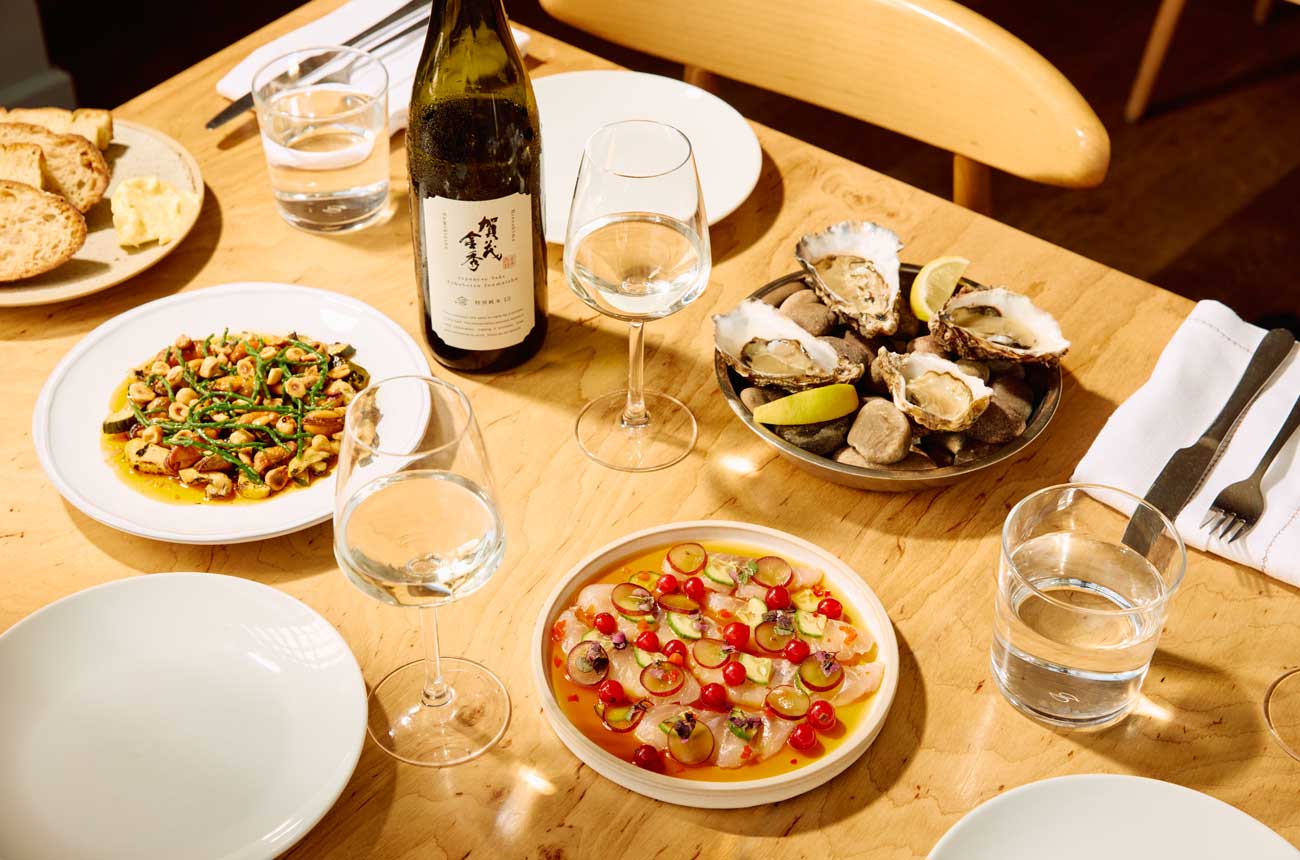
Not a spirit
Although many sakes are clear, resembling spirits such as vodka or gin, this beverage, made from rice, water, kōji mould and yeast, isn’t distilled.
Alcohol typically ranges between 15% and 17%, just slightly higher than that of wine.
Core ratio
The rice milling ratio indicates how much of the grain remains after ‘polishing’, which removes outer layers rich in fats and proteins to reveal the starchy core.
The lower the percentage, the purer, more delicate and aromatic the sake, such as the premium Ginjo (≤60%) and Daiginjo (≤50%).
Pure or adulterated?
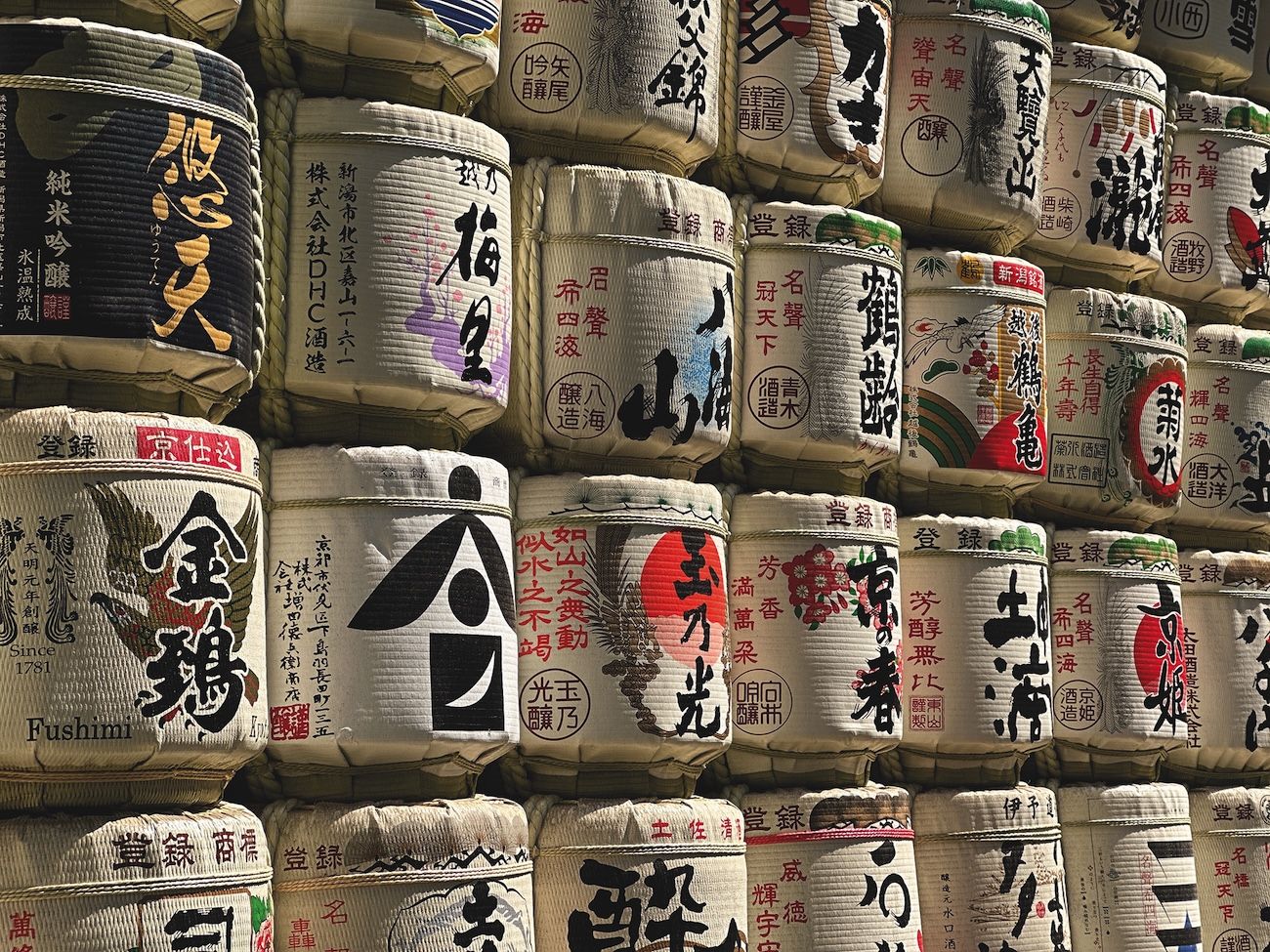
Junmai (‘pure rice’) means no added alcohol, and what’s in the bottle tends to be richer and more savoury; added alcohol Sake barrels often makes the sake crisper, with a cleaner flavour.
Drink fresh, hot or chilled
While you can age some sakes (‘koshu’), the vast majority are intended to be enjoyed young, and many suit a range of temperatures.
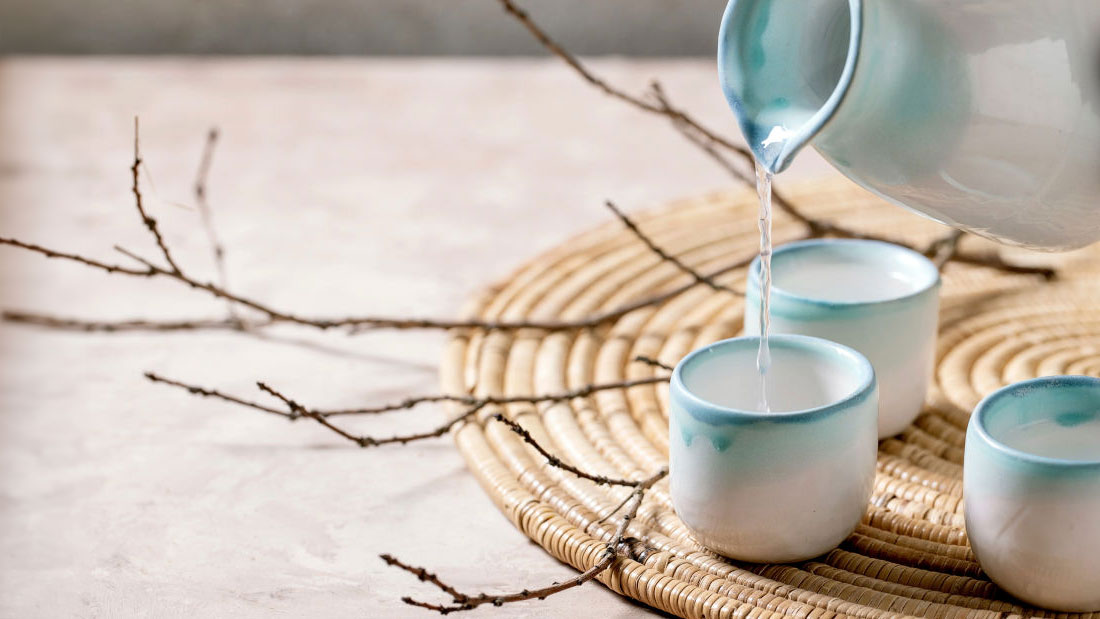
Lighter, fruitier styles are typically served chilled; richer styles may be served warm, though this largely depends on personal preference.
An all-round food companion
With lower acidity than wine, sake usually tastes rounder and slightly sweeter, making it suitable for a wide range of dishes.
Pick a Junmai for a first try; sparkling sake also makes a refreshing summer aperitif.
Sake: A beginner’s guide and top recommendations
What is nama sake?