On my desk are two bags of green tea given to me by Beefeater’s head distiller, Adam Cocker. One holds Chinese green tea – shards of dried and shredded leaves that exude a toasted aroma as they tumble over one another.
In the other are dried leaves rolled into tight, deep green needles with a satin sheen. Their cut-grass top note has faded but they still smell rich and vegetal with a hint of seaweed. This is Japanese sencha. Its price has risen tenfold in the last few years – a knock-on effect of the craze for matcha-flavoured everything.
Both feature in Beefeater 24, which was pioneering in its use of tea when it launched in 2008. When one taste tester commented they ‘couldn’t taste the tea’, Master Distiller Desmond Payne made it clear that was the point. In this gin its role is to modify the other botanicals rather than shine in its own right.
Tea in the spotlight
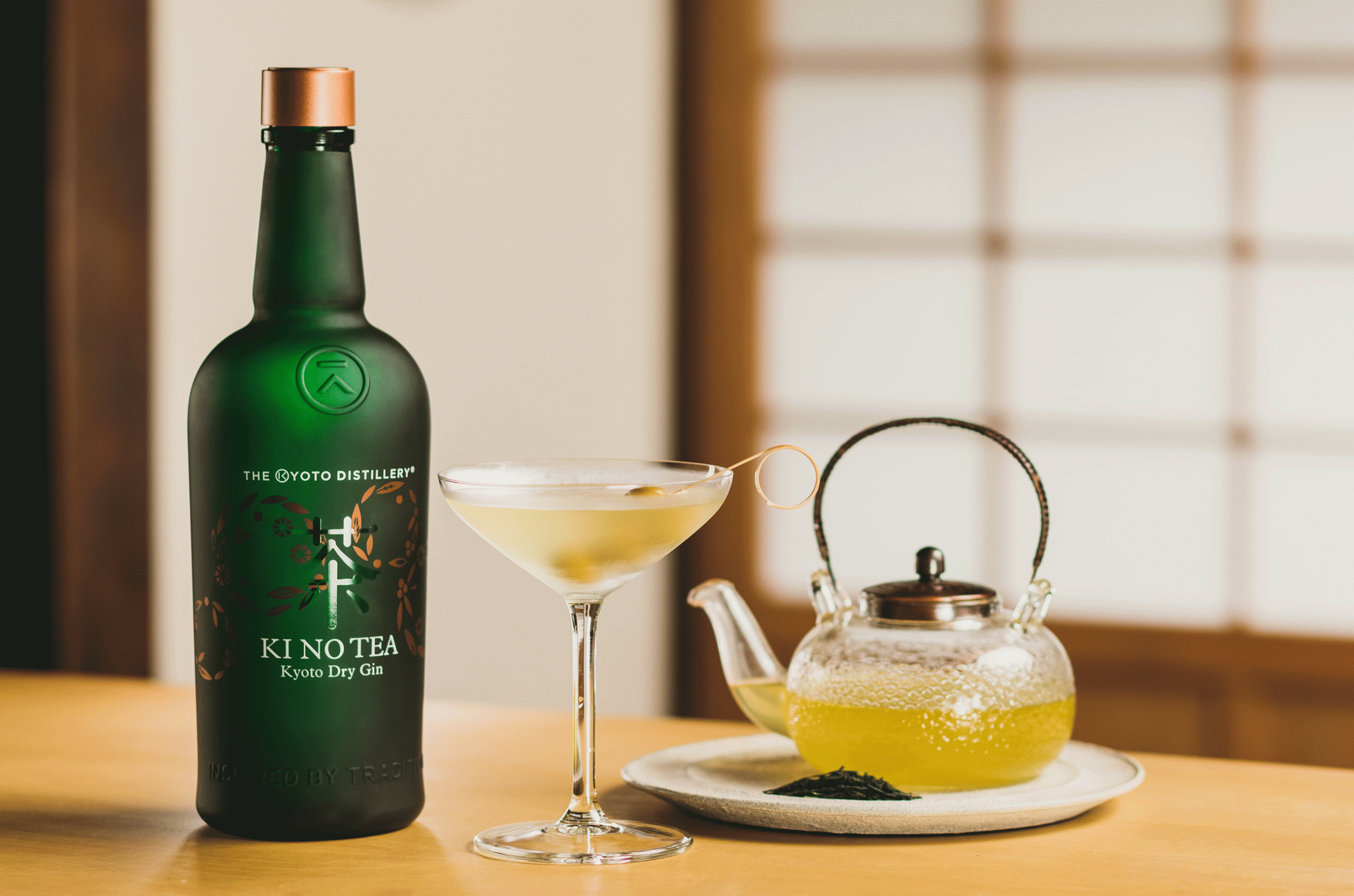
It was Ki No Bi Kyoto Dry Gin that elevated the use of tea from a supporting role to a full-throated member of the botanical chorus, especially in Japanese gin. This year is the 10th anniversary of its release.
The Kyoto Distillery gets its gyokuro tea from the oldest tea plantation in Japan. It is by far the most expensive botanical in the gin. Ki No Bi’s even more tea-steeped sibling spirit, Ki No Tea, adds matcha to the mix.
It is not what’s grown that separates a green tea from a black one, a tencha from a keemun. These types of tea, and more besides, all come from the same plant, camellia sinensis. How it’s grown has some say, but what matters most is what’s done with the leaf once it has been picked.
Leaf logic
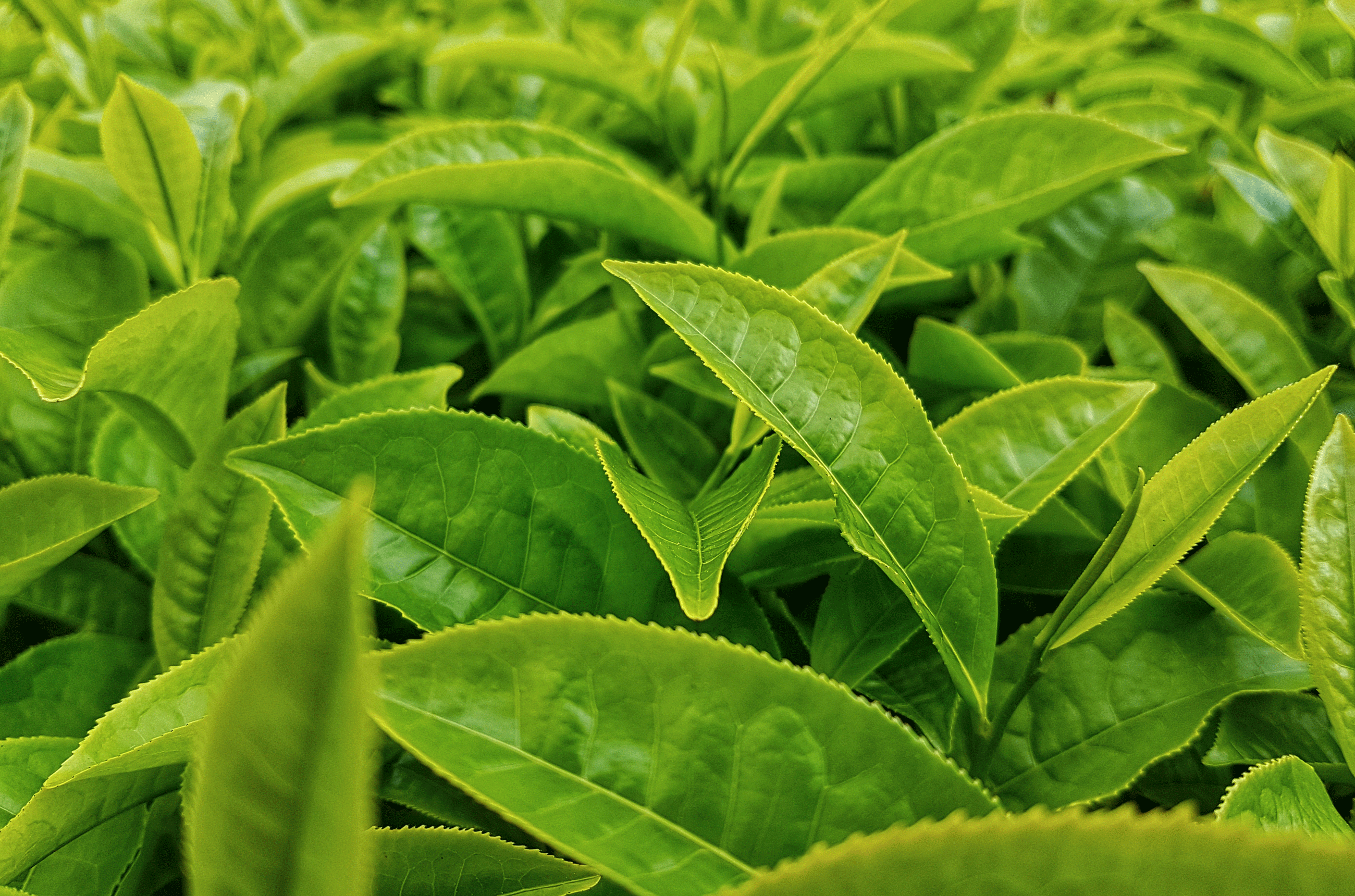
Briefly, then: some tea is grown under shade to inhibit tannins and encourage chlorophyll and amino acids. These teas taste sweeter and have more umami. After harvest, tea leaves are withered – left to lose moisture and go limp. Next growers roll, bruise or cut them to encourage oxidation, then heat them to stop it.
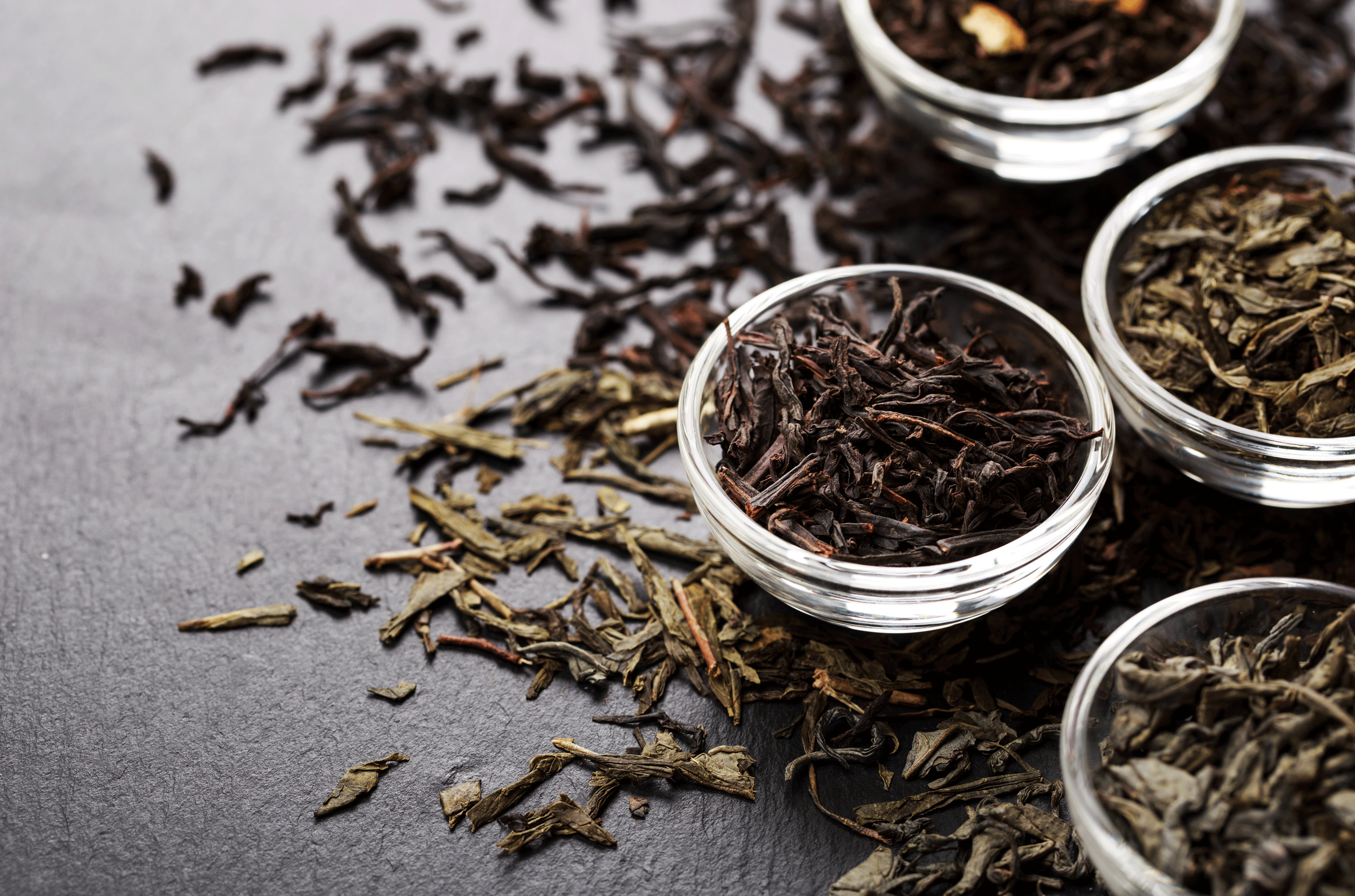
Done almost at once, you get green tea. A little longer and you get oolong. Longer still and you get black tea. Skip it and you get white tea. Pu-erh is its own thing again: leaves are fermented and sometimes aged.
It doesn’t end there. You can grind it (matcha), roast it (hojicha), smoke it over pine (lapsang souchong), flavour it with bergamot (Earl Grey) or jasmine (you get the idea).
A tea tapestry
For gin distillers, then, tea is not a single botanical but a spectrum of flavours and textures. And how you handle it can alter it yet further. At Beefeater, the 24-hour steeping before distillation means that, rather than being added directly to hot water like when brewing a cuppa, the tea starts cold and slowly warms. This means a longer, slower drawing out of its lighter flavours.
‘It’s all got to be in balance,’ says Cocker. ‘Contemporary gins can do what they want, paint a picture with a whole bunch of botanicals. Ours has to work with juniper first, then make sure everything else brings something to the party.’
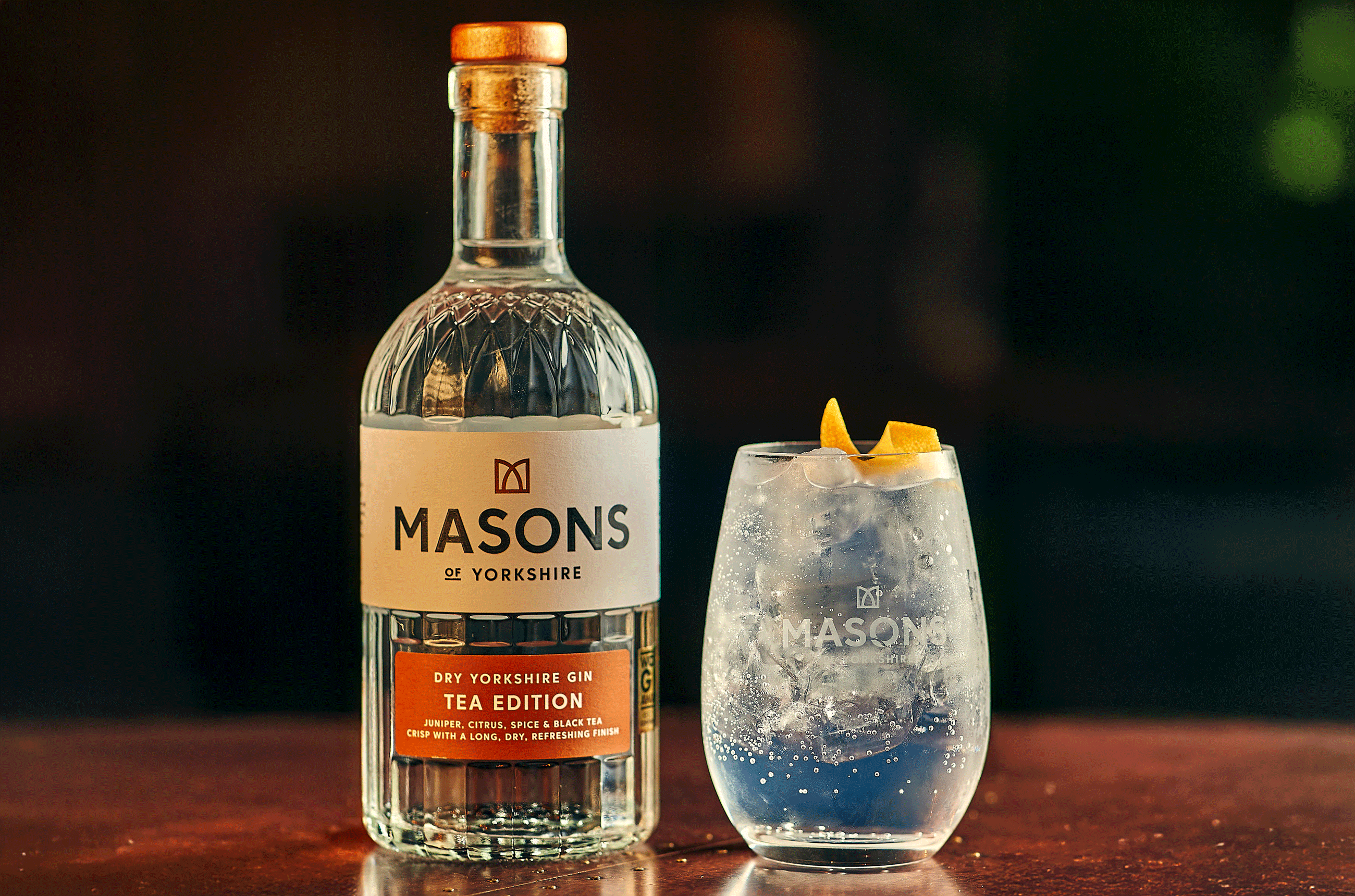
Karl Mason, joint founder at Masons of Yorkshire, takes a different approach with his Tea Edition gin. ‘We challenged our distiller to make our Original Edition drier, but do it in a totally unique way,’ he says. ‘We had tried a tea gin previously but it used Earl Grey tea and wasn’t to our taste at all, as it was a lot more floral.’
Instead the Tea Edition uses Yorkshire Tea from Harrogate – I mean, what else? This is black tea: tannic, drying, dominant. The result is a gin that is most definitely tea flavoured. The tea is the point.
Made to go together
Tea now shows up in plenty of gins — I have 46 in my notes alone. None use white tea; too expensive and too delicate for the still. Most opt for green or black, falling broadly into either Japanese or English breakfast flavour camps.
The more adventurous choose an oolong (Bimber’s Da Hong Pao Tea Gin) or even an aged pu-erh (That Boutiquey Gin Company’s Vintage Pu-erh Tea Gin). Either way, tea and gin have a natural affinity. In my experience, the Venn diagram of people who enjoy both is more or less a circle.
Six of the best gins with tea
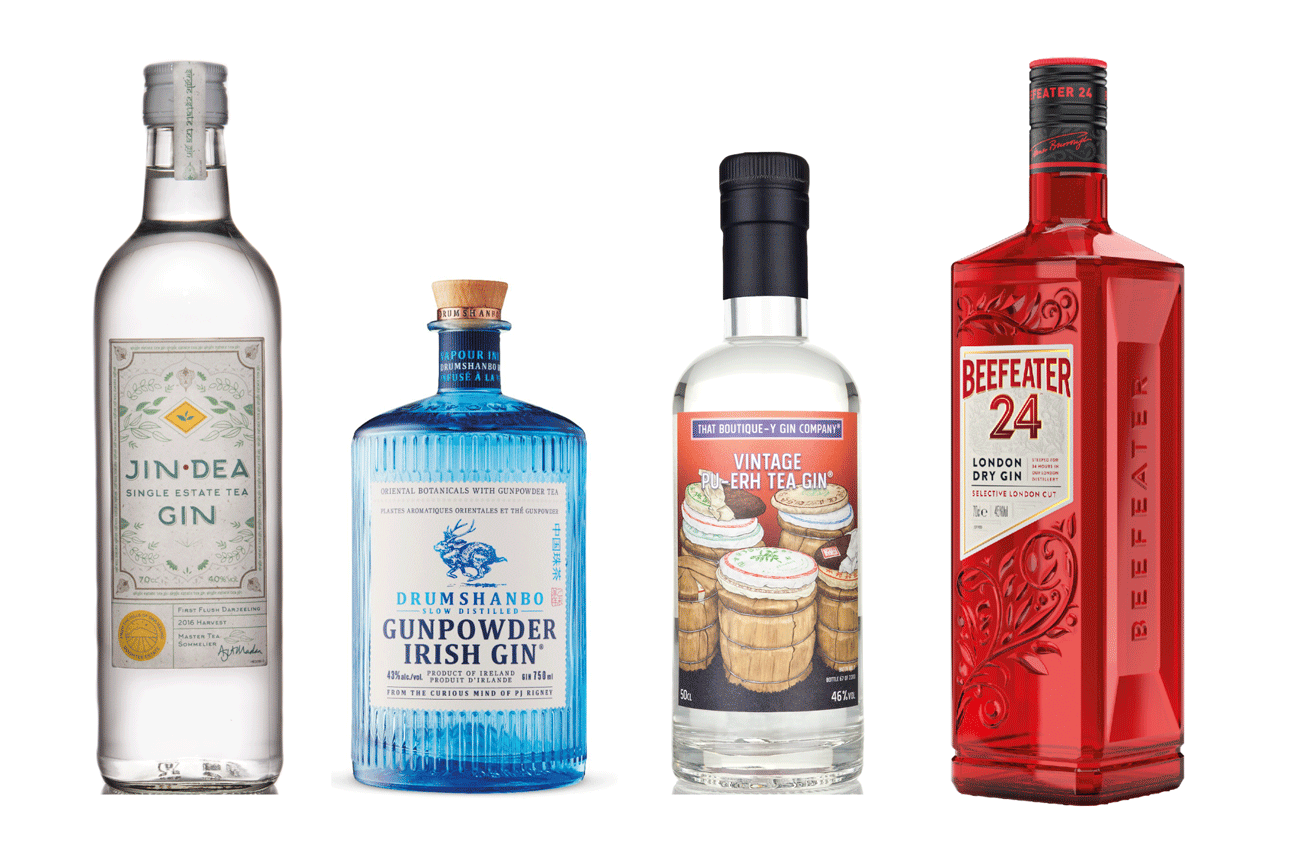
Beefeater 24
A gin where tea deepens the other flavours rather than muscling its way past them. You can taste it, but you have to look for it; tonic helps. It has a softly silken texture and makes a very moreish Martini. Like regular Beefeater from a parallel dimension. Alcohol 45%
Drumshanbo Gunpowder Irish Gin
So named because the tea is rolled into tight little balls that resemble gunpowder. And you can taste it: earthy and herbal among the bright citrus, piney juniper, caraway and pepper. There’s lots going on but it makes sense in the glass. Alc 43%
Jindea Single Estate Tea Gin
Bone china rather than a Sports Direct mug; its first-flush Darjeeling is only lightly oxidised. It opens with bright grapefruit and creamy cardamom, then builds with warming angelica and ginger spice. The quietly spoken star of the summer fête. Alc 40%
Ki No Bi Kyoto Dry Gin
The green tea is evident alongside waxy juniper, citrus and pine. Silky on the palate, where yuzu and floral notes join. The tea keeps going as everything else swirls around it. A corker in a G&T or simply neat over ice. Alc 45.7%
Masons of Yorkshire Tea Edition Gin
Smooth juniper and sharp citrus rub up against crisp, drying black tea in a most agreeable manner. Not quite like drinking a cuppa; there’s cardamom and pepper spice in there too. Yet somehow, spiritually, it gives the same satisfaction you get from a proper brew. Alc 40%
That Boutiquey Gin Company Vintage Pu-erh Tea Gin
Tea, yes – bold and markedly different, with juniper dancing attendance. Herbal but also nutty and rich with dark cherry fruit just on the right side of decay. Then it tumbles into blossom, honey, and tea that’s halfway between green and black. Alc 40%
Coastal gin: Soak up some seaside spirit
Gins from around the world