With a young generation embracing it, and historical estates continuing to defend it, Chianti Classico Riserva remains resilient to the vagaries of vintage, climate and trends.
Even as former Riservas continue to be upgraded to Gran Selezione, Chianti Classico’s middle tier is still seeing its share of new wines.
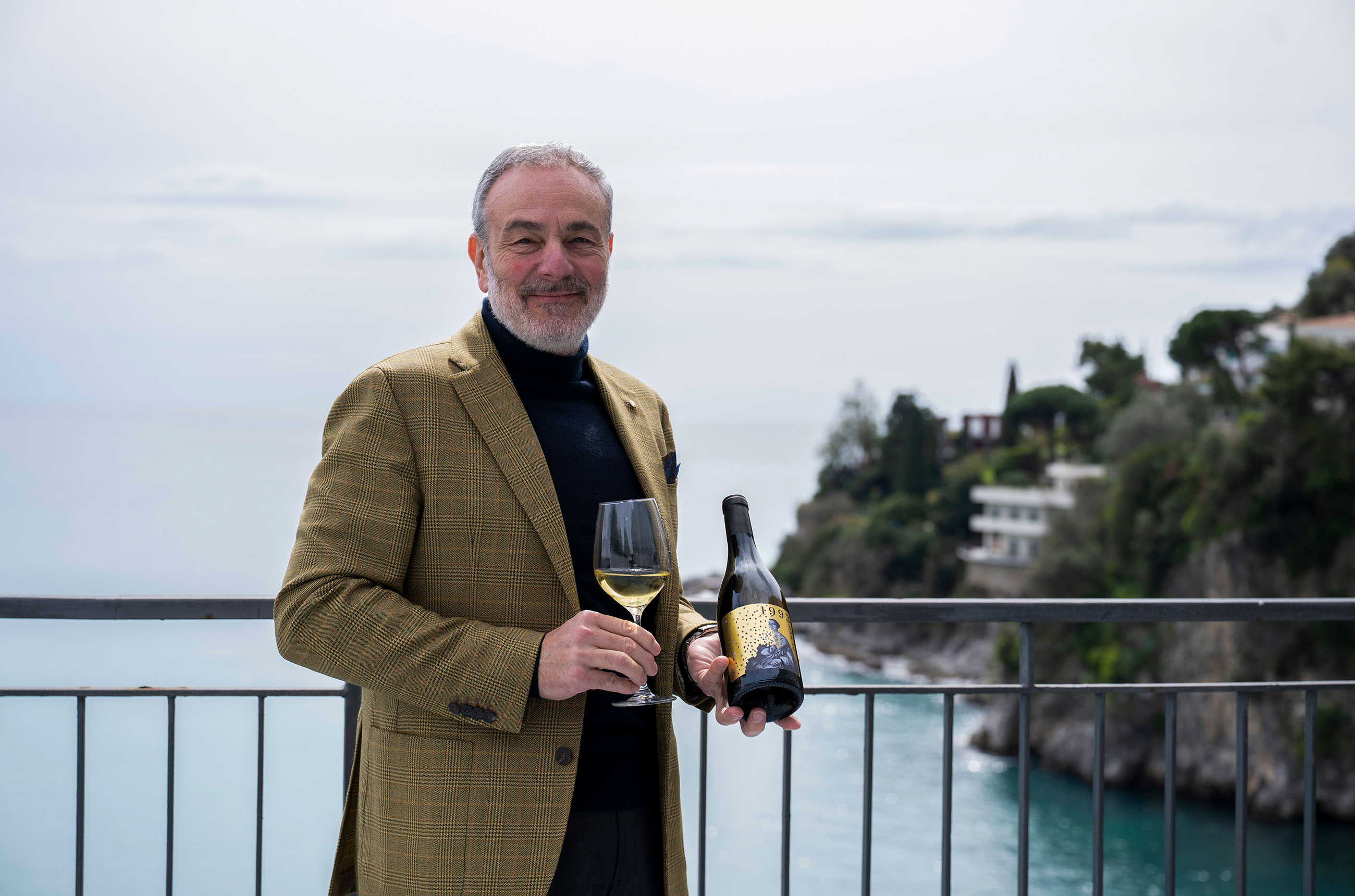
Sofia Ricasoli, who represents the 33rd generation of the region’s most legendary wine family, has chosen Riserva for her one and only Chianti Classico made under her own label.
‘It’s a more historical category than Gran Selezione’, she rationalises. Launched with the 2021 vintage, Innesto means ‘graft’ and references a return to her deep roots after studying and practising law, while at the same time looks toward the future.
Challenges aplenty
Aware but undeterred by the myriad of challenges facing the wine industry today, Ricasoli asserts, ‘The greatest is climate change – more so than market or economic conditions.’
Indeed, climate challenges were front and centre in 2023, with a significant reduction in quantities due to peronospora (downy mildew), hail and drought.
After losing 80% at his Monte Bernardi estate, Michael Schmeltzer essentially folded what are typically three separate bottlings into a single soulful Riserva. Other estates didn’t bottle a Riserva at all.
The Riserva 2023s that were bottled reveal some issues managing ripeness and volatile acidity. Several examples were already fully evolved, contradicting the spirit of the category.
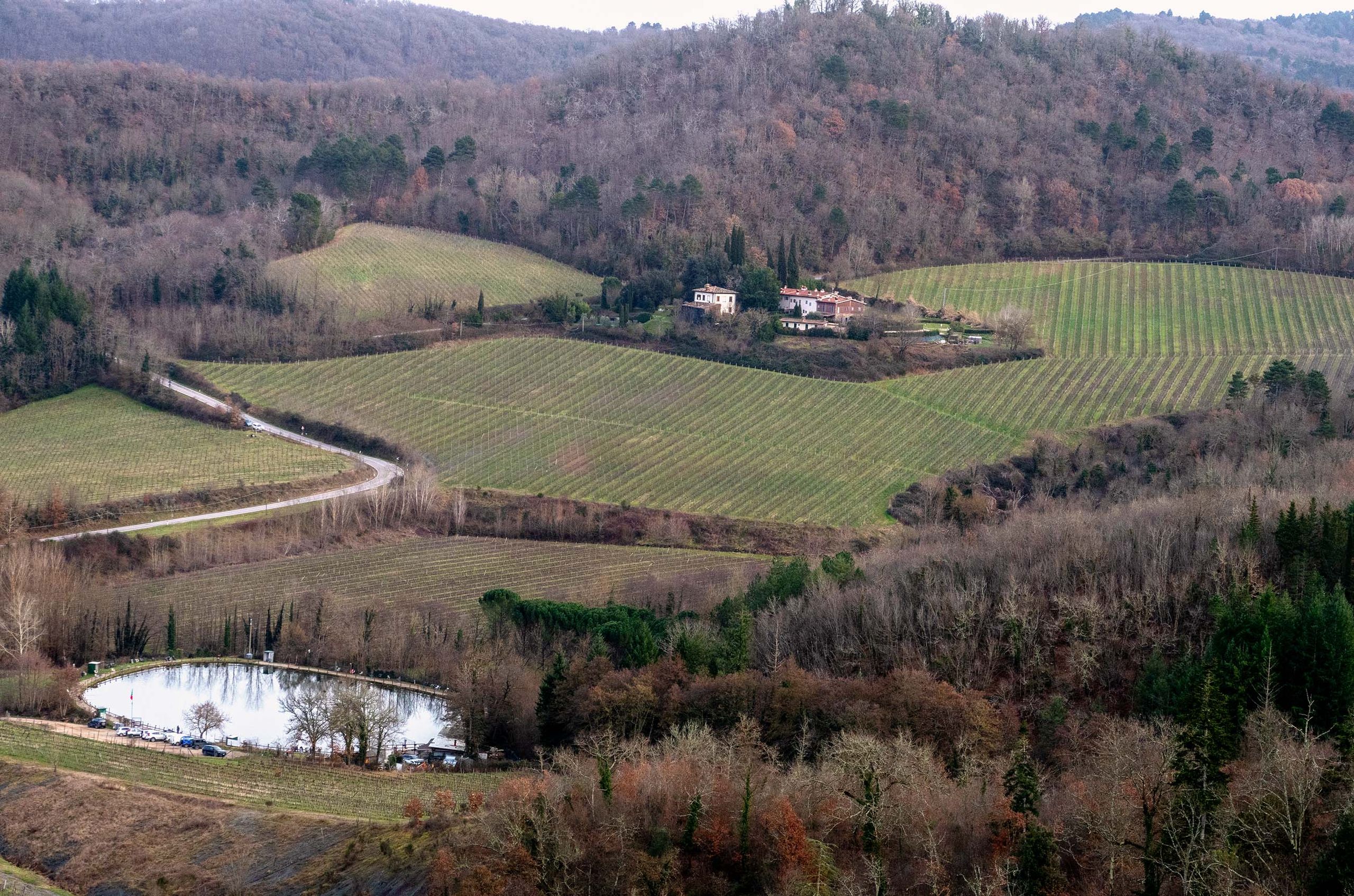
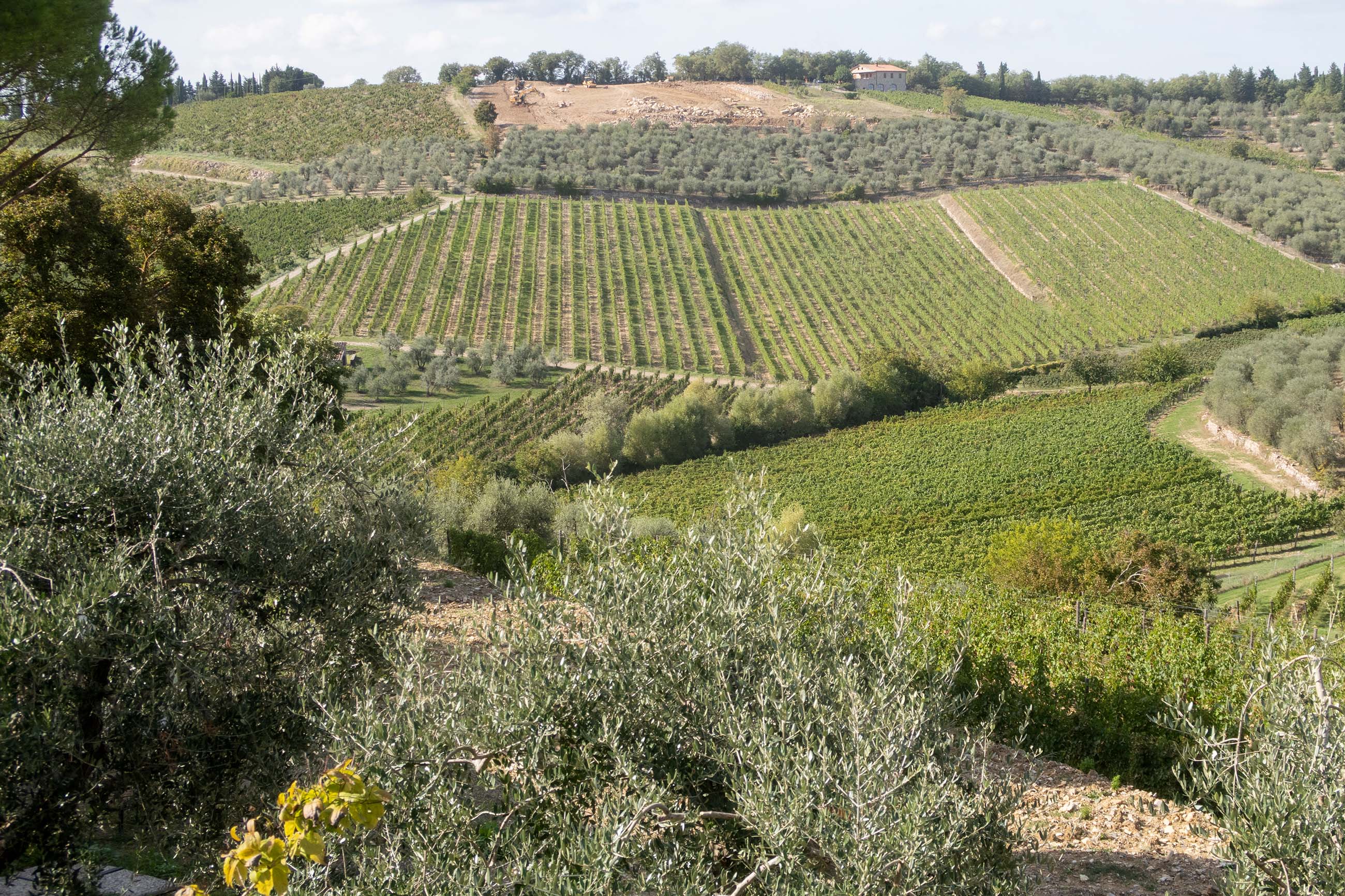
Perhaps unsurprisingly, my top picks come from the region’s cooler pockets: Castello di Querceto in the upper reaches of Greve, Castello di Volpaia in the fresh, forested subdistrict of Radda, and Castellaccio’s Lama dei Cortacci above the hamlet of Lamole at a lofty 700 metres.
I would recommend drinking these over the next five to eight years. San Giusto a Rentennano’s reliably excellent Le Baròncole is an exception and needs more time in bottle.
Chianti Classico’s up-and-comers
Castellaccio’s Lama dei Cortacci is a new wine from Davide Bottai, who is most definitely one of the region’s up-and-comers.
Also new and on my must-watch list is Mons Driadalis. While Daniela and Marco Morelli don’t have the same historical lineage as Sofia Ricasoli, they too have settled solely on Riserva – at least for now.
‘It seemed a bit presumptuous to start with a Gran Selezione’, explains Marco, who also points to the category’s image of ‘important’ full bodied reds – ‘This is not the impression we want to give with our wines’.
This year’s Riserva releases span all the way back to 2017 with Bucciarelli’s Antico Podere Casanova – a long-aged wine recalling a bygone era. Dripping with history, this former sharecropping estate comprises 100-year-old vines co-planted with olive trees.
Chianti Classico’s youngest winemaker, Mattia Bucciarelli, has recently taken the reins and is resolute on preserving what he inherited.
‘I will never make a Gran Selezione,’ he states, explaining that it would mean altering the estate’s traditional Riserva or Toscana IGT bottlings. Even so, this 20-year-old will surely make his own mark. I’ll be following his progress closely.
Read the rest of Michaela’s Chianti Classico analysis:
Our expert picks out her top-value Chianti Classico buys
Chillable and quaffable: The low-alcohol Chianti Classico vintage everyone is talking about
Gran Selezione: Chianti Classico’s 100-point milestone
2022 and other late releases
2022 is shaping up to be a far more consistent vintage than 2023. Revisiting some 2022s released last year alongside some 2022s debuting this year reveals a highly successful cohort.
Combining density with grip and zip, they offer a solid decade of drinking potential. Among this year’s releases, L’Erta di Radda and Val delle Corti are highlights, while Podere Ferrale is yet another promising new name.
Meanwhile, the category’s stalwarts continue to live up to their formidable reputations, highlighted by Castello di Monsanto’s vivacious 2022, Badia a Coltibuono’s refined 2021, and Castell’in Villa’s intricate, age-worthy 2020.
Michaela’s pick of Chianti Classico Riserva
|
Castello di Querceto, 2023 – 93 points |
|
Castagnoli, Terrazze 2022 – 93 points |
|
Castello di Ama, Montebuoni 2022 – 93 points |
|
Brancaia, 2023 – 92 points |
|
Castellaccio, Lama dei Cortacci 2023 – 92 points |
|
Castellare di Castellina, Il Poggiale 2023 – 92 points |
|
La Montanina, 2023 – 92 points |
|
Monte Bernardi, Monte Bernardi 2023 – 92 points |
|
Castello di Radda, 2022 – 92 points |
|
Castello di Verrazzano, 2022 – 92 points |
|
Gagliole, 2022 – 92 points |
|
Lamole di Lamole, Lareale 2022 – 92 points |
|
Le Miccine, 2022 – 92 points |
|
Bucciarelli, 2017 – 92 points |
|
Mons Driadalis, 2023 – 91 points |
|
Tenuta Casenuove, 2023 – 91 points |
|
Casa Emma, Vignalparco 2022 – 91 points |
|
Ormanni, Borro del Diavolo 2022 – 91 points |
|
Podere Ferrale, 2022 – 91 points |
|
Montefioralle, 2022 – 90 points |
|
Podere la Cappella, Querciolo 2022 – 90 points |
|
Innesto, 2021 – 90 points |
|
Riecine, 2023 – 89 points |
|
Casa di Monte, Le Capitozze 2022 – 89 points |
Riserva wine, what does the term mean? We explore…
Cult Italian winemakers: New chapters, new directions