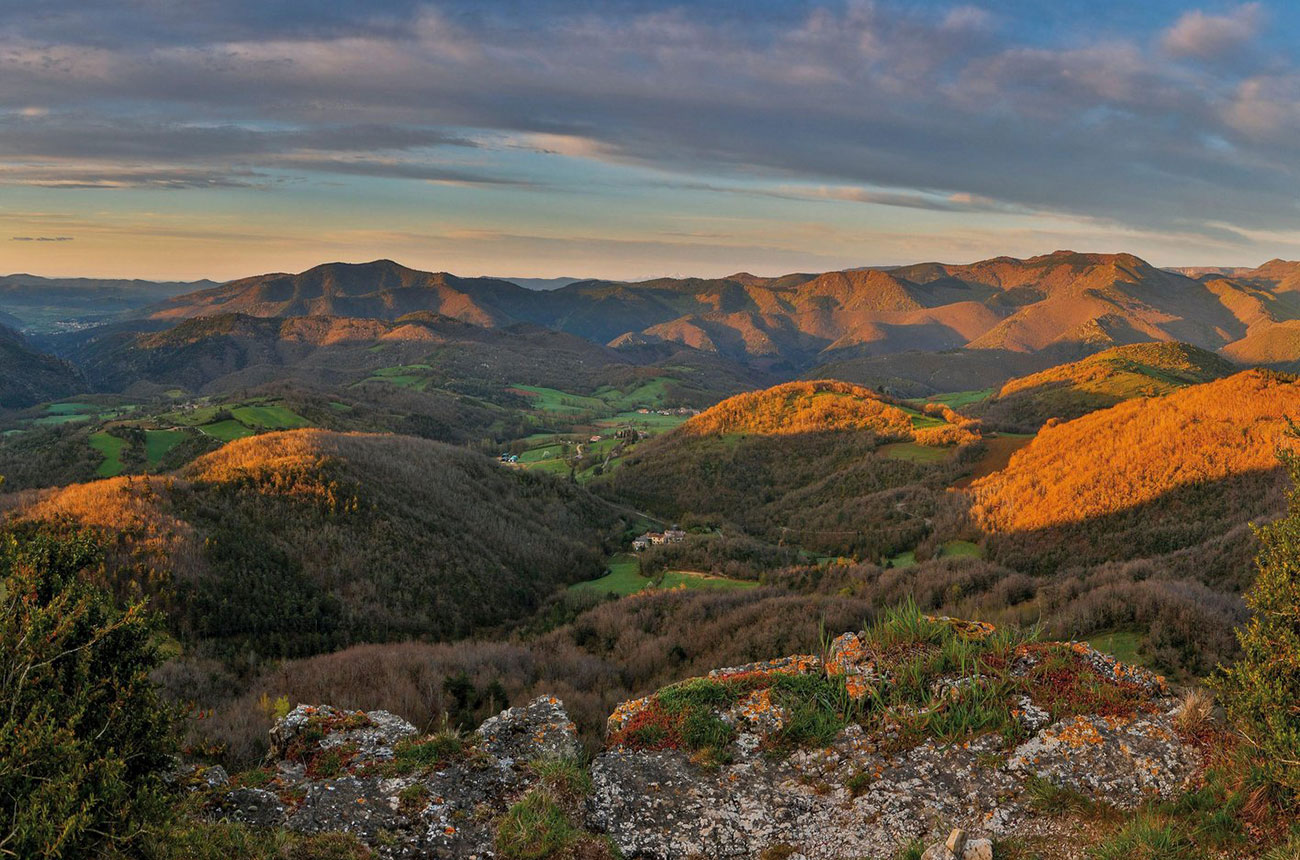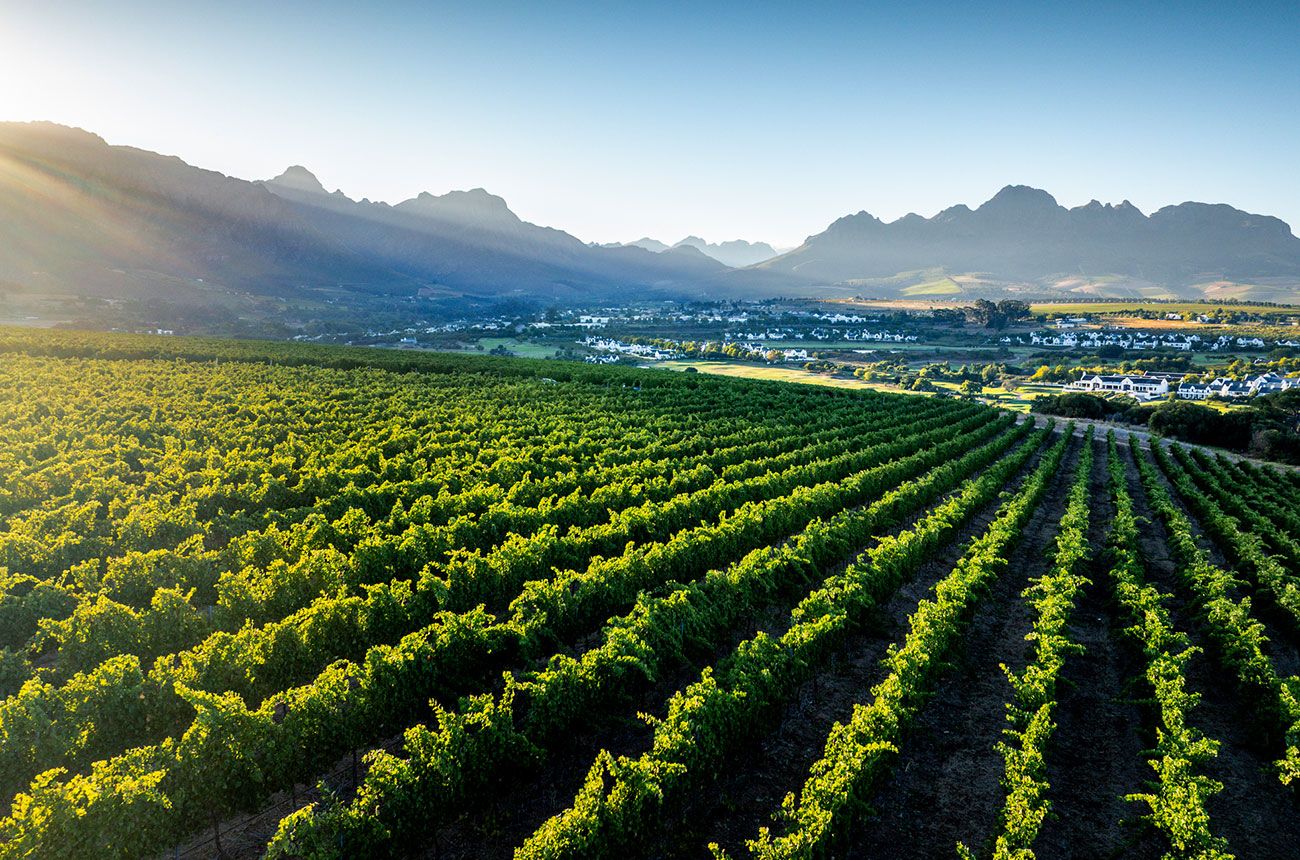
The juxtaposition of Old and New World is a popular lens through which to understand the wine world.
The distinction is both geographical and cultural. It separates countries with centuries of vinous heritage from those where winegrowing took root from the Age of Exploration onwards.
At the same time, it contrasts Europe’s view of wine as an everyday staple, identified primarily by its place of origin and produced under strict appellation laws, with the greater regulatory freedom of the likes of Australia and Chile, where winemakers enjoy wider creative latitude and grape variety is often central to the liquid’s identity.
The distinction carries some stylistic archetypes, too.
Old World wine is associated with restraint, structure, higher acidity, firmer tannins, and a profile shaped to complement food or reward ageing.
The New World, by contrast, is thought of being defined by generosity, ripe fruit, and immediate approachability.
These broad stereotypes were once a useful – although imperfect – framework for understanding wine. Today they are simply obsolete.
The global dissemination of ideas and techniques, climate change, and shifting economic and geopolitical realities have blurred the boundaries between regions and their approaches to winegrowing.
Producers around the world are now borrowing from each other, creating regional and national identities that are neither wholly ‘old’, nor ‘new’, but something far more nuanced and utterly unique.
Redrawing the wine map: A short A–Z guide covering key growing areas
Australia
The rich, jammy Shiraz that defined Australia’s international image in the 1990s remains an important part of the country’s output, but winemakers are now also producing mineral, citrus-driven Chardonnays, perfumed Pinot Noirs, and vibrant Grenache.
Australians are embracing cooler-climate winemaking in regions such as Tasmania and the Mornington Peninsula, and adopting Mediterranean varieties, better suited to the country’s warm (and warming) climate.
Central Europe
The likes of Germany, Austria and Hungary are redefining what Old World means today, with wineries doubling down on precision, freshness and site expression through complex Rieslings, perfumed Grüner Veltliners, and laser-sharp dry Furmints.
Eastern Europe & the Caucasus
While many former Soviet republics still produce the unassuming semi-sweet wines traditionally popular with Eastern European palates, they have steadily shifted towards drier styles with greater character, quality and regional identity.
Romania and Moldova offer some of the world’s best-value bottlings from both indigenous and international grapes.
Georgia has successfully revived the ancient winemaking tradition in clay qvevri, while neighbouring Armenia – whose millennia-old winemaking heritage was interrupted during the Soviet era – is forging a new identity through experimentation and innovation.
England & Wales
Britain’s modern wines are largely inspired by France, from traditional-method fizz (the flagship style) to the high-quality still Chardonnays and Pinot Noirs that are becoming increasingly common as the climate warms.
Yet all of it is produced within a framework of entrepreneurial freedom more often associated with the New World.
France
France is the archetype of the Old World, with appellations and a strong sense of local heritage still at the heart of its wine culture. Still, new approaches have percolated here, too.
Vignerons craft wines that are more approachable in their youth, including in strongholds of tradition like Bordeaux and Burgundy, but without sacrificing structure, elegance or sense of place.
Many place greater emphasis on grape varieties too, particularly in more viticulturally liberal regions such as Languedoc-Roussillon (now part of the Occitanie region), and a growing number are even stepping outside the appellation system altogether to experiment with new styles, philosophies and techniques.
Italy
Italy’s wine identity is a mosaic of local cultures, landscapes, and climates, all linked by food-friendly acidity, savoury character, firm tannins and a remarkable wealth of indigenous varieties.
Alongside these elements, there exists an equally important universe of international grapes, innovative or unconventional winemaking and more contemporary approaches, with dramatically different interpretations of the same grapes or style often coexisting within a single region.
The Mediterranean
Winemaking in the eastern Mediterranean predates the Old World itself, stretching back thousands of years to the Phoenicians and the ancient Greeks.
That millennia-old heritage remains central to the area’s identity today, through ancient grape varieties such as Lebanon’s Merwah and historic wines like Cyprus’ Commandaria.
It’s only through the adoption of modern winegrowing, however, that these regions have emerged onto the international stage, with wines such as Santorini’s Assyrtiko earning acclaim from sommeliers around the world.
New Zealand
New Zealand’s international reputation was built on the vibrant, intensely aromatic and instantly recognisable Sauvignon Blancs of Marlborough, but the country’s identity has broadened considerably in recent years.
New Zealand is now equally respected for Pinot Noir, Chardonnay and Syrah that combine finesse and structure with an unmistakable New World exuberance.
Portugal & Spain
Portugal and Spain are one of modern wine’s greatest success stories. For much of their recent history, their wines were honest regional expressions destined largely for local consumption, with the likes of Port or Rioja some of the most notable exceptions.
Today, the Iberian Peninsula offers arguably the best value in Western Europe, its wines combining distinctive regional identities and a remarkable wealth of native grape varieties with modern technical precision.
South America
Argentina and Chile helped define the quintessential New World stereotype by building their international reputations on fruit-forward expressions of varieties such as Malbec, Cabernet Sauvignon and Carmenère.
While those wines remain central to their identities, both countries have increased their awareness of alternative stylistic approaches, with Argentina’s Mendoza in particular leading the way in exploring the influence of altitude, vineyard site, and soil.
South America is also contributing to redefine viticulture’s geographical limits, from the arid landscapes of Chile’s Atacama Desert to the cool, wet vineyards of the Bío Bío Valley in the far south, and the breathtaking high-altitude vineyards of Argentina’s Salta province.
South Africa
South Africa is often seen as bridging the stylistic divide between Old World restraint and the fruit-driven approach associated with the New World.
It offers some of the world’s best value, while its wealth of old bush vines and a new generation of quality-focused producers are crafting liquids of remarkable character and structure.
USA
American wine was once exclusively synonymous with the bold Cabs and heavily oaked Chardonnay of California’s Napa Valley.
In recent decades, however, quality winemaking has spread across the country, with states such as Oregon and New York’s Finger Lakes producing elegant cool-climate expressions, and Washington State bottling exceptional reds from its hot, dry east.
California itself has been challenging its stereotypes, with a new generation of winemakers exploring cooler sites, Mediterranean varieties and lighter, more restrained styles.
The Rest of the World
Once confined to a relatively small slice of the world, wine has become a truly global cultural phenomenon.
It’s now made in almost every corner of the earth, from Mexico and China (both rapidly emboldening their vinous ambitions) to the Balkans, where countries are reinterpreting their winemaking heritage through a more modern lens.
At the same time, improved viticultural techniques, climate change and humans’ uncontrollable drive to push boundaries are expanding the map of wine even further.
The emergence of wine industries in Nordic countries such as Sweden and Denmark, or tropical regions like Bali and Thailand, would have been unimaginable a few decades ago.
Wine is no longer ‘old’, nor ‘new’, but rather defined by the constantly evolving relationship between place, people and the global exchange of ideas.
Decanter World Wine Awards 2026 results revealed: Global wine quality reaches new heights
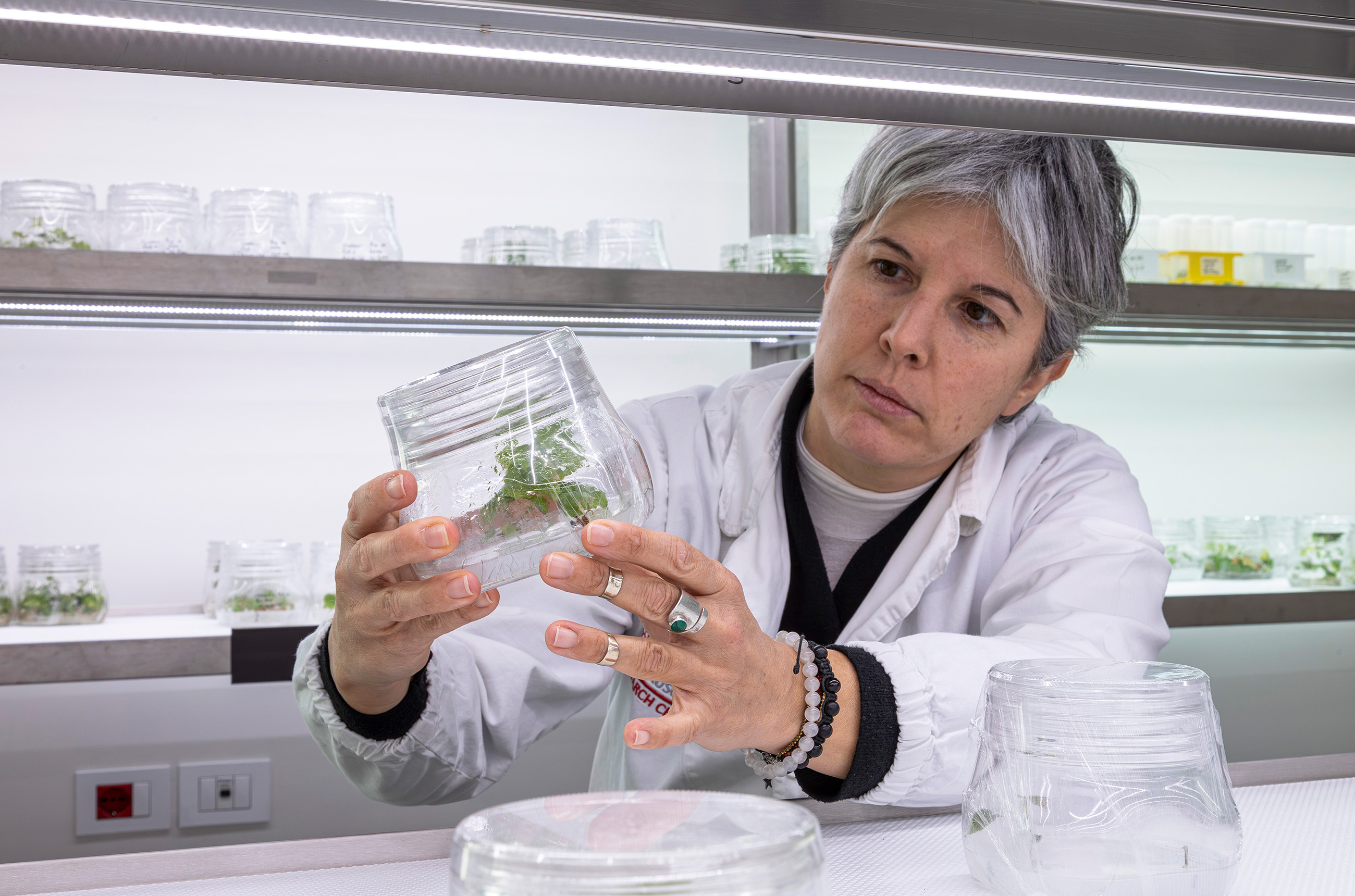
Inside VCR, the Italian nursery that supplies a quarter of the world’s vines