





While most people plan to visit Spain during their summer holidays, there are plenty of opportunities to enjoy its best-known wine region throughout the year.
Whether it’s hitting the ski-slopes, joining a wine battle or tucking into some lamb chops with a bottle of wine, Rioja is a region for all seasons.
Winter
Hit the slopes in Valdezcaray
There’s no better place to combine a cold-weather adventure with sipping wine than Rioja, and in the colder months, many locals head to Valdezcaray.
Halfway up Pico San Lorenzo, the tallest mountain in La Rioja, it’s the region’s number one winter sports destination and the local alternative to the skiing on offer in the Pyrenees.
Remodelled in 2022, it has 24 different slopes and more than 22km of marked trails, with 12 advanced-level runs for expert skiers and snowboarders, and plenty of beginner and intermediate slopes.
Didn’t bring your own skis? No problem. Rent them on the mountain or from a local shop in the picturesque village of Ezcaray, where you can also enjoy an aprés-ski bottle of wine.
Spring
Pretend you’re a pilgrim

Rioja lies along the Camino de Santiago, or Way of St James, a medieval pilgrimage route across northern Spain that ends at the tomb of the apostle St James in Santiago de Compostela, in Galicia’s coastal northwest.
Though the traditional stages are in 20km-30km chunks, from Rioja’s administrative capital Logroño it’s only 12km to the nearby village of Navarrete.
Leaving Logroño, the Camino passes through La Grajera park before following the motorway through vine-covered countryside along a mix of dirt and paved paths, and passing the ruins of the 12th-century pilgrims’ hospital of San Juan de Acre shortly before entering Navarrete.
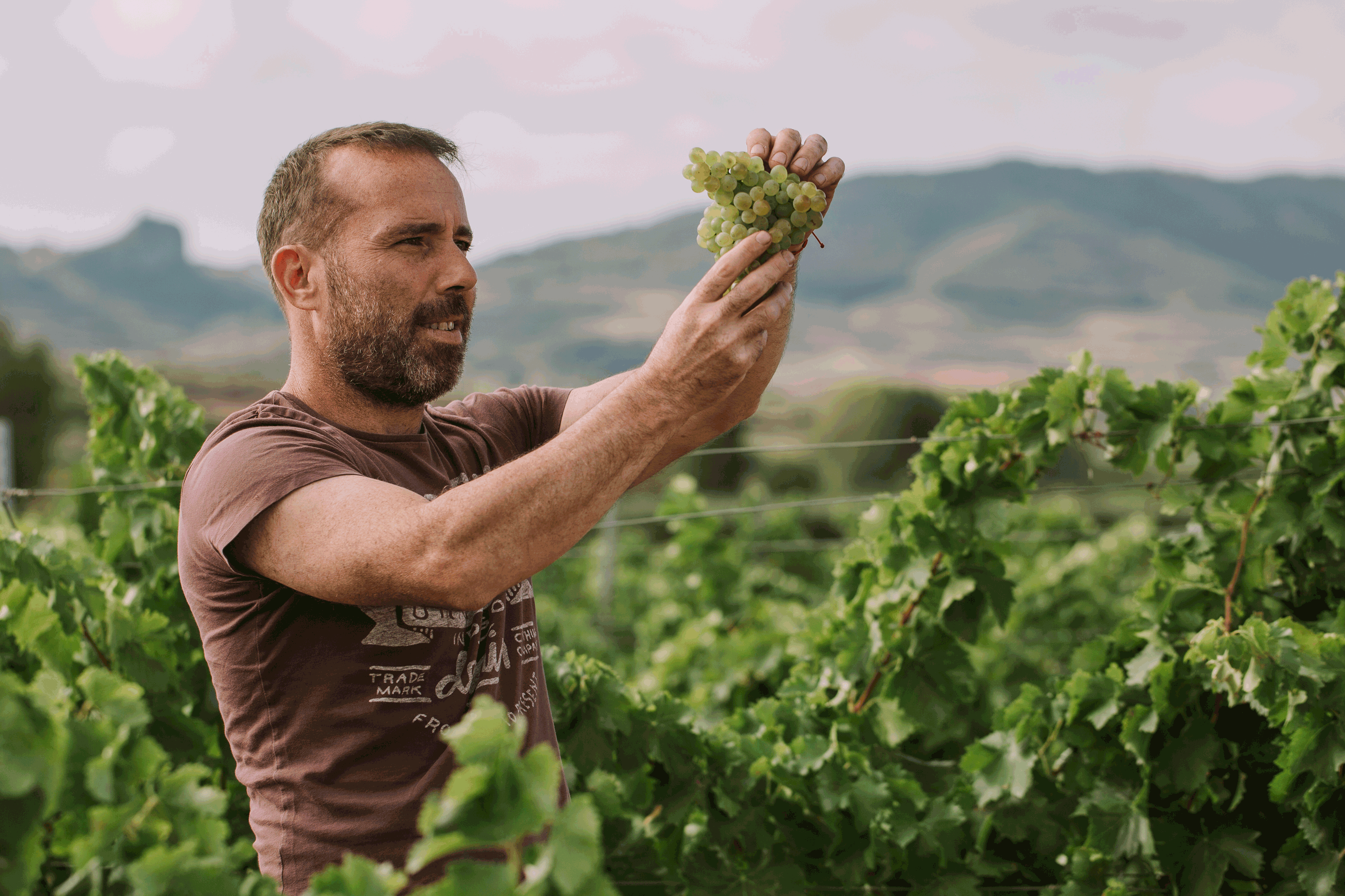
While you’re in the village, visit local winemaker Elena Corzana, who works with traditional local grape Maturana Tinta.
Taste wine in a castle
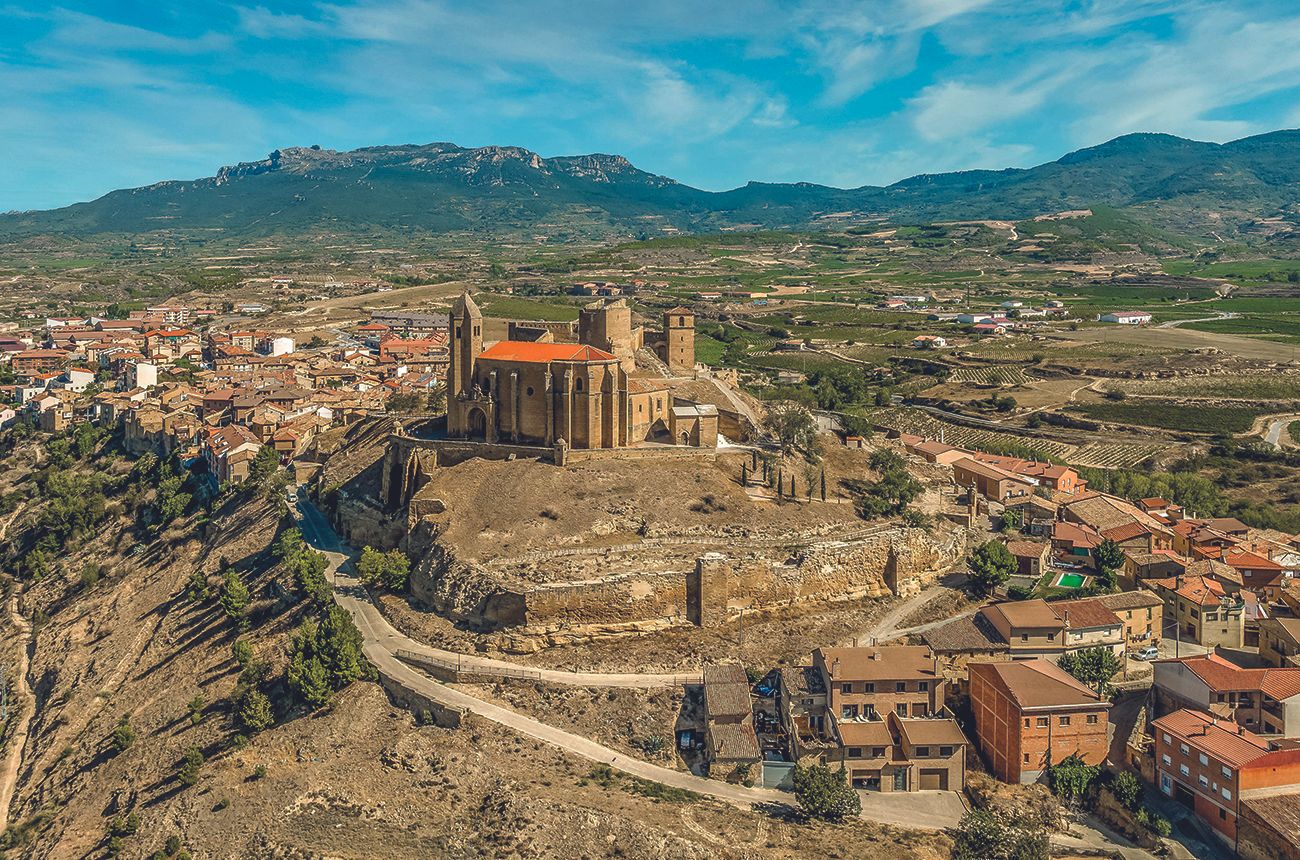
At the end of May, the historic hilltop town of San Vicente de la Sonsierra invites visitors to Catas en el Castillo (‘Wine Tastings at the Castle’), where they can discover local wines in the underground cellars within its walled castle grounds.
Attendees can explore the historic surroundings while tasting wines and chatting with growers, with the opportunity to buy wines directly from the winemakers.
This year, the €23 ticket included a wine glass, glass holder and seven tasting tokens.
Summer
Fight in Haro’s wine battle
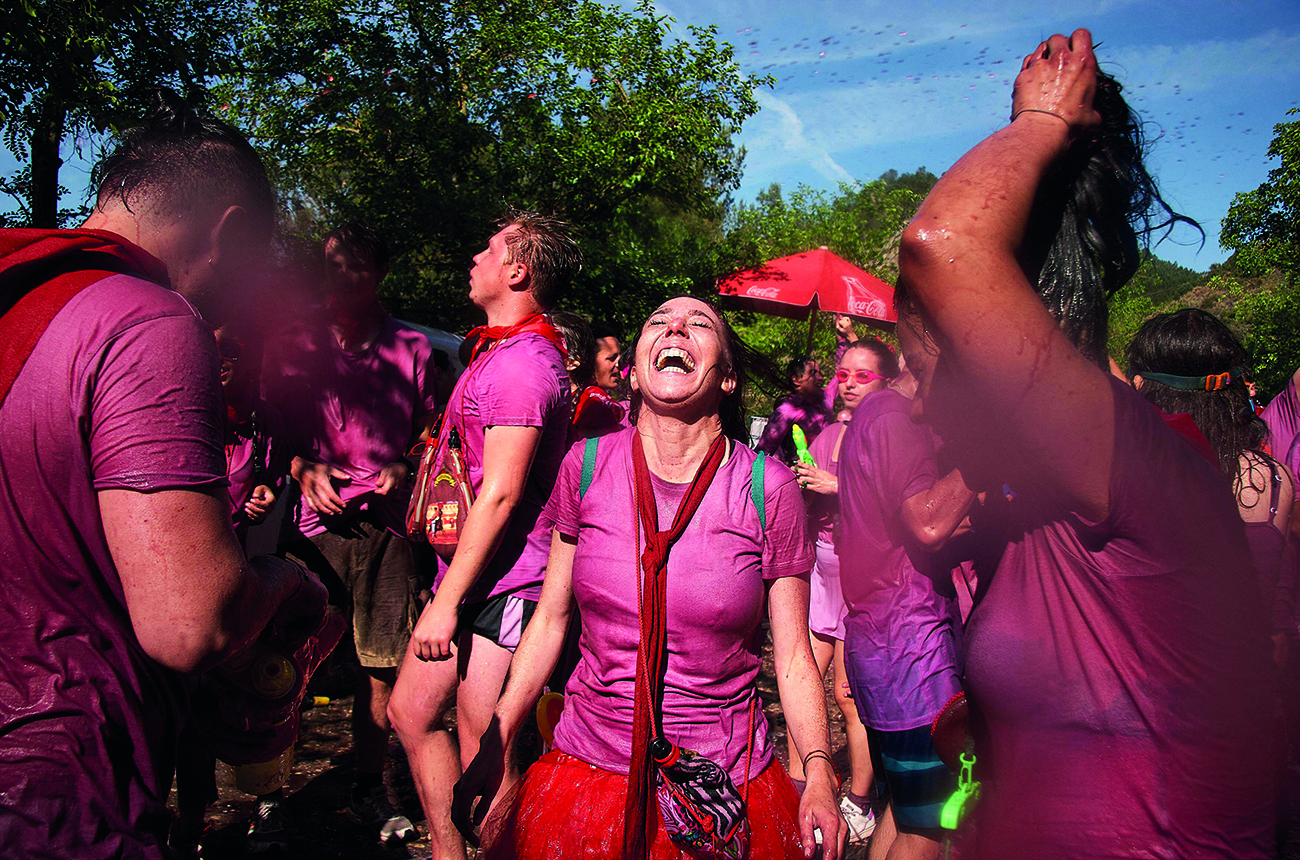
At about seven in the morning on 29 June, hundreds of people dressed in white make their way to the cliffs of Bilibio, about 7km north of the town of Haro.
Their clothes don’t stay white for long: over the course of the day, revellers drench one another in red wine using everything from water pistols to buckets in the La Batalla del Vino de Haro (‘The Haro Wine Battle’).
To participate, just follow the dress code, bring plenty of red wine and make sure you have something to spray it with.
It’s also not a bad idea to bring goggles and waterproof bags.
Once you’ve arrived, there aren’t really any rules – just have fun!
Taste your way through the Barrio de la Estación
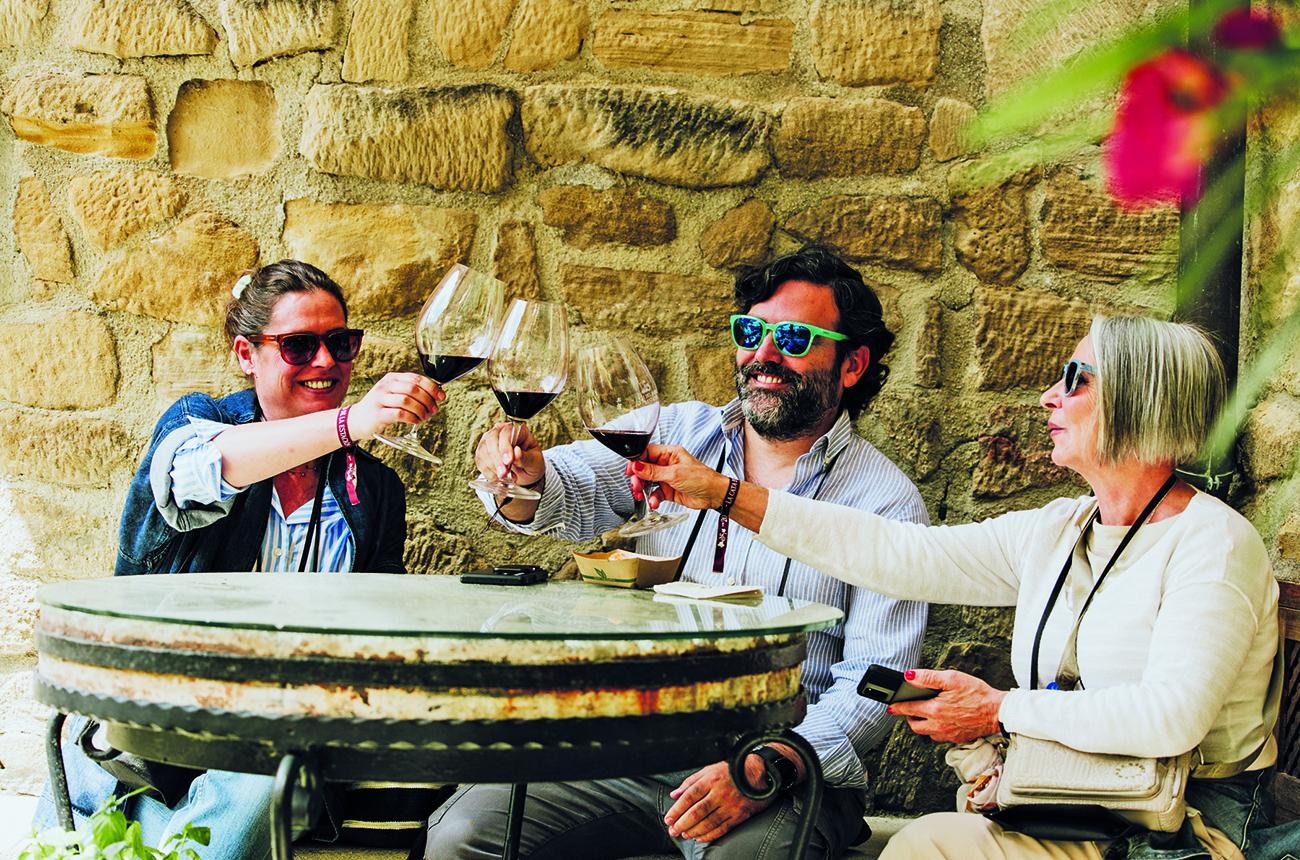
For those who prefer to keep their wine in a glass, the Cata del Barrio de la Estación is Haro’s other don’t-miss event.
Held every two years in the Barrio de la Estación, or Station Quarter, the event typically includes tastings of about a dozen wines, gourmet food pairings, guided winery experiences and live music.
Still home to historic wineries such as CVNE, La Rioja Alta and R López de Heredia, Haro’s Station Quarter dates back to the second half of the 19th century, when the arrival of the railway coincided with the arrival of French winemakers and traders looking for new places to make and source wine after vineyard crises caused by infestations such as phylloxera and mildew, leading to wineries springing up around the railway station.
Autumn
Celebrate the harvest in Logroño
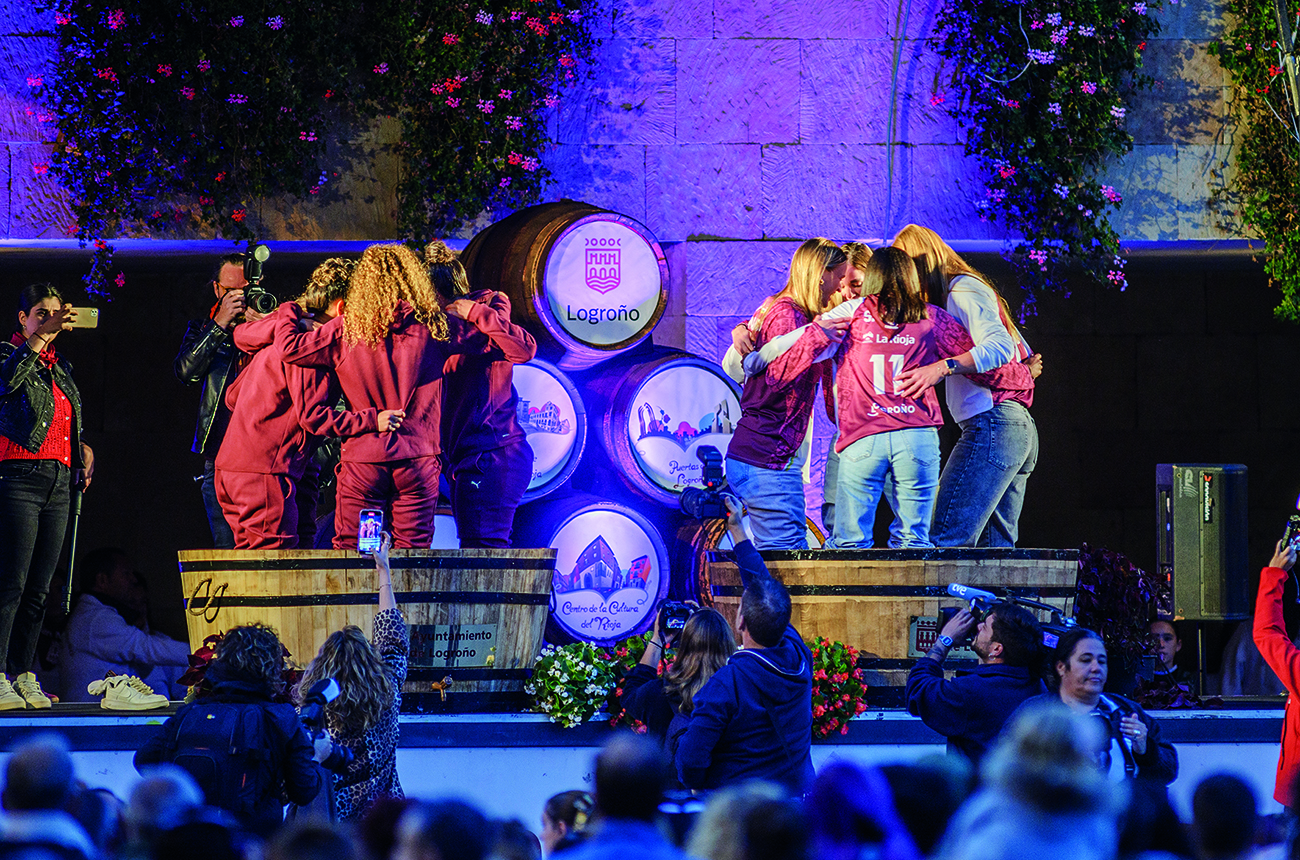
Each September, Logroño hosts the Fiestas de San Mateo, a week-long harvest festival and the most important celebration in Rioja’s capital.
Timed to coincide with the start of the harvest, around 21 September, one of the most important events is the symbolic crushing of the first grapes, where freshly harvested fruit is pressed into must and offered to the Virgin of Valvanera, the patron of La Rioja.
Throughout the week, there’s plenty on offer between concerts, parades, fireworks and, of course, wine tastings.
Fall in love with lamb chops in Rioja Alavesa
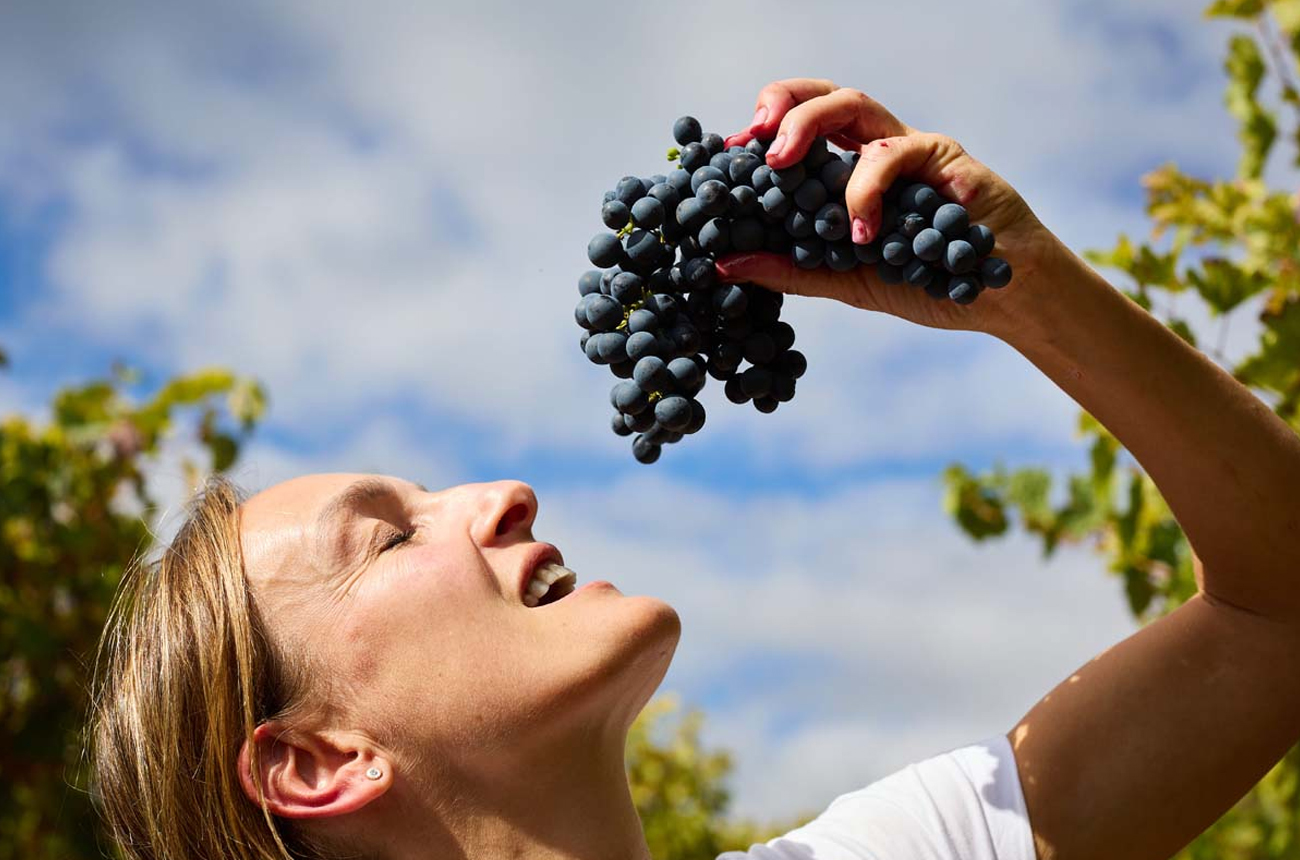
Though they’re more often seen in the warmer months, when villages across Rioja light communal grills and cook in the streets, there’s something about the slight chill in the air of early autumn that makes chuletillas al sarmiento even more appealing.
Preparation is simple: lamb cutlets are seasoned with coarse salt before being grilled over a bundle of dried vine cuttings, or sarmientos.
A magical dish that can pair as well with a young, semi-carbonic Rioja as it does with a long-aged Gran Reserva, one of the best versions can be found at Asador Alai, in the Rioja Alavesa village of Labastida. @asadoralai
Where to stay in Rioja: The guide that suits all budgets and desires
Chef José Pizarro picks seven brilliant food pairings for great-value Rioja wines