






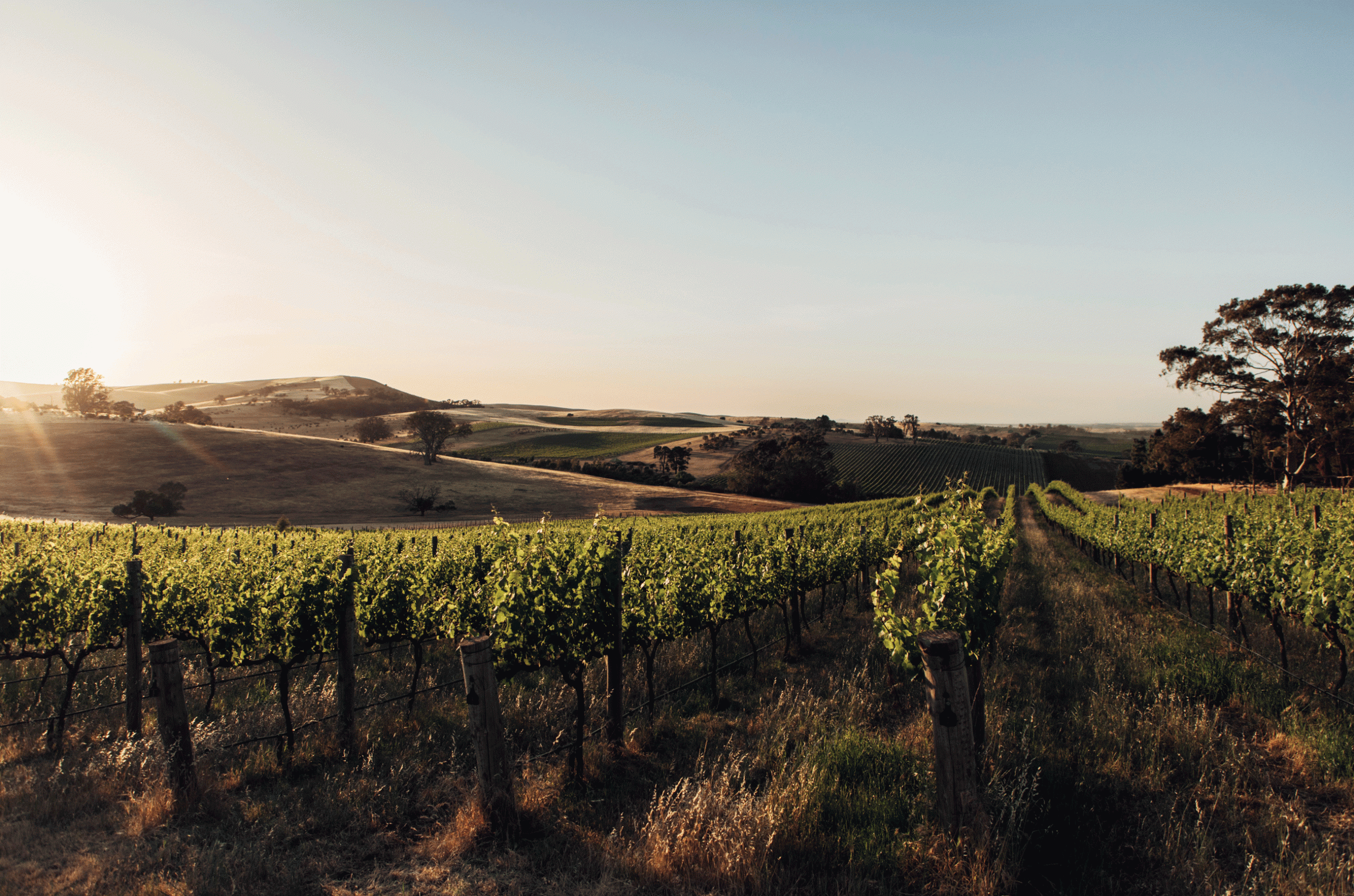
Welcome to Clare Valley: one of Australia’s oldest wine regions that’s also famous for its innovation. Wine has been produced here since 1851 and today Clare is known around the world as a source of prestigious fine wines.
Particularly by Australian standards, Clare Valley is a small region: around 35km long and 5-10km wide, covering an area of roughly 680 square kilometres. It accounts for less than 1.5% of the country’s total wine production.
So why is it so well known?
Read on to discover more about the special conditions for winemaking in Clare, the main wine styles made here and the names you need to know if you’re new to Clare Valley wines.
Where is Clare Valley?
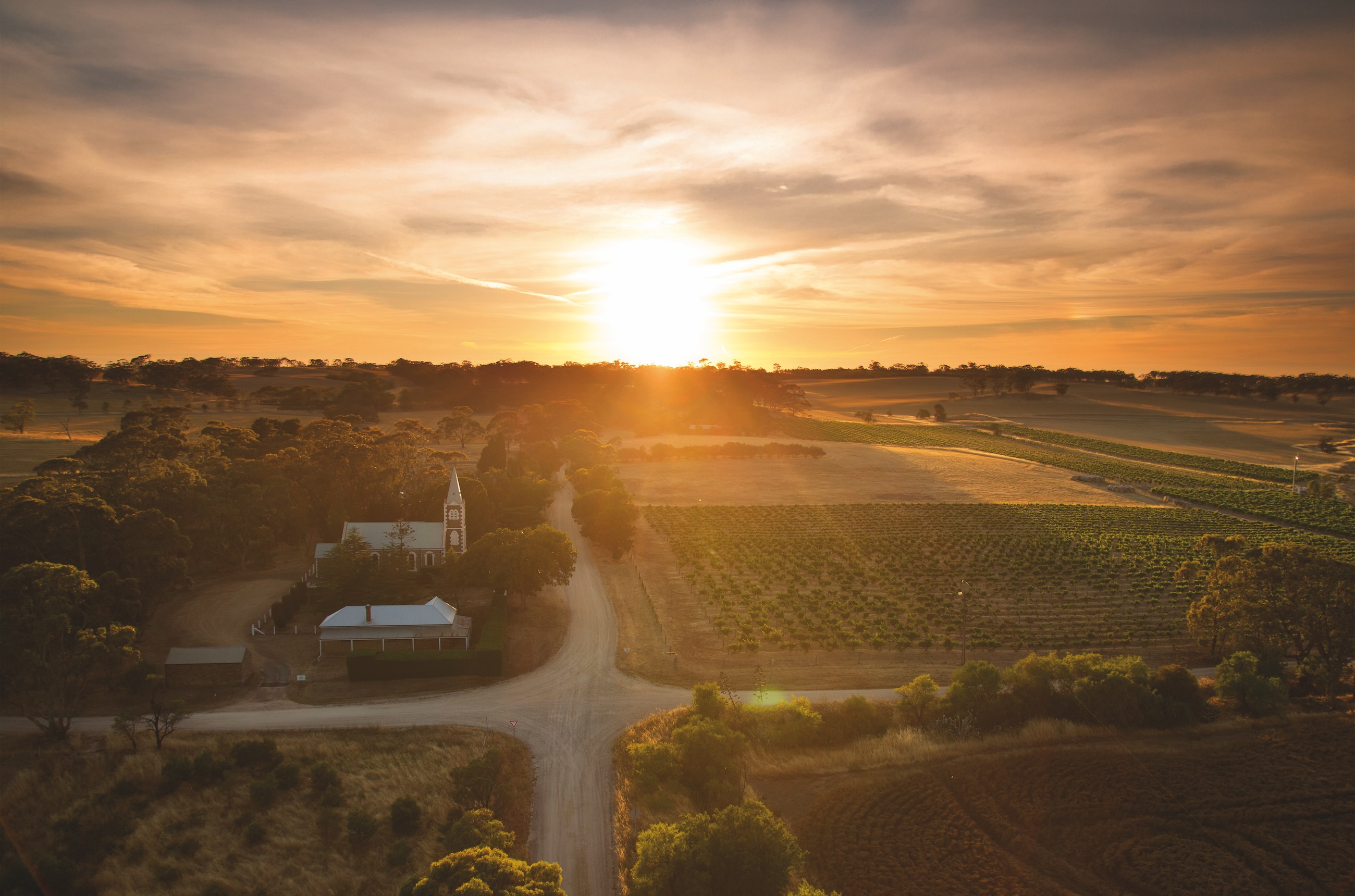
Clare Valley is in South Australia, located around 130km – or a two-hour drive – north of Adelaide.
Part of the Mount Lofty Ranges it’s a region of beautiful, rolling hills with a Mediterranean climate.
Clare Valley doesn’t have official subregions, but there are five distinct wine-growing areas: Auburn, Watervale, Sevenhill, Polish Hill River and Clare.
Each of these have their own ‘terroir’ – a special combination of geology and climatic characteristics.
What are the soils like?
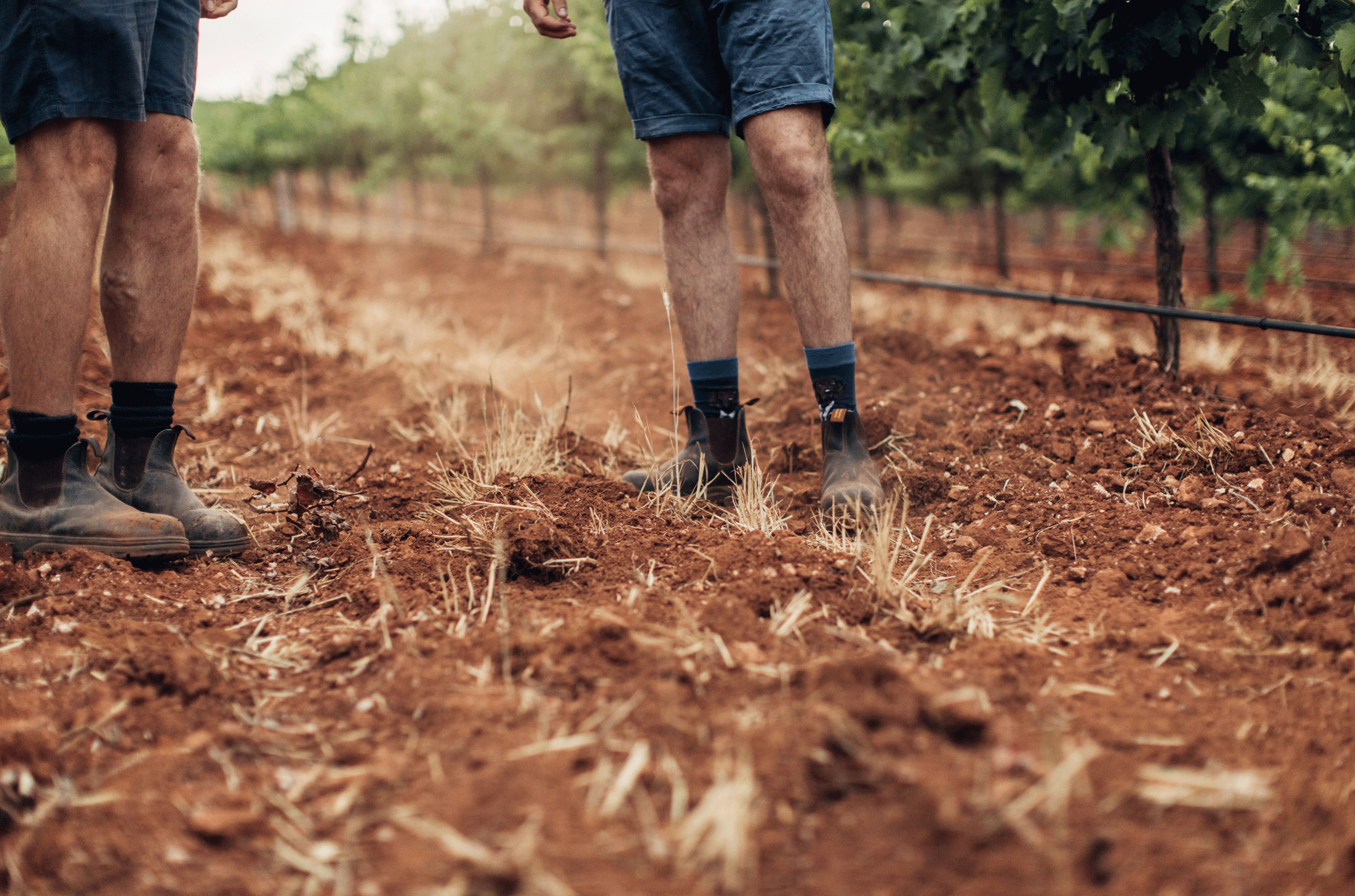

Clare Valley has 11 distinct soil types formed over ancient rocks that are hundreds of millions years old.
Around 500 million years ago, the region sat on mountain peaks 10,000m high, but these eroded, leaving a flat plain.
Further land shifts created the undulating landscape of today, with a series of north-south valleys and ridges.
The two most famous soil types here are terra rossa (red earth) over limestone, which is found in Watervale, and grey loam soil over broken blue slate in Polish Hill River.
Elsewhere vineyards in the north are planted on deep, fertile alluvial soils; while sandy loam and degraded quartz are found in the west.
What are the wine styles?
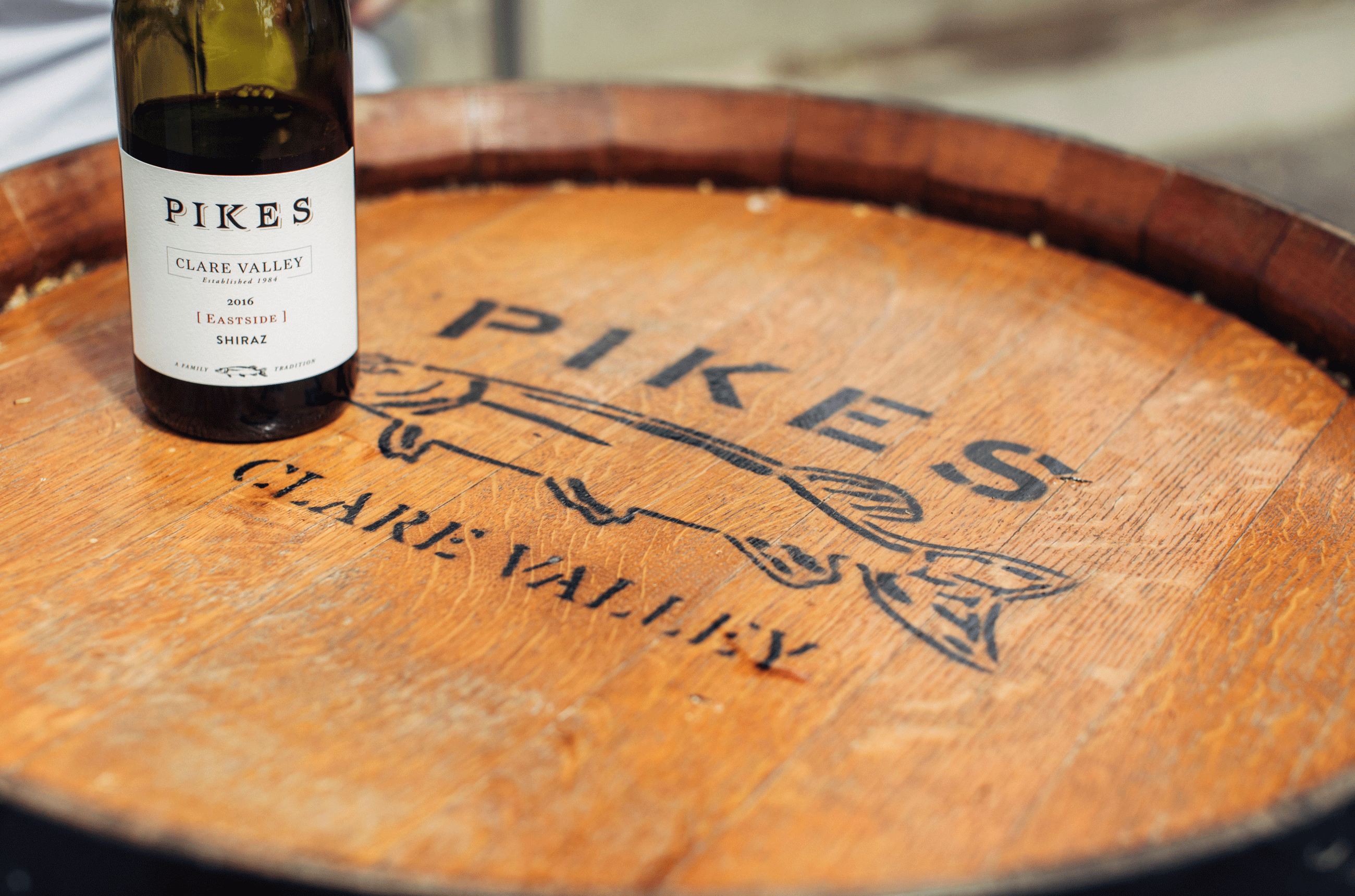
Thanks to those different soil types, Clare Valley can produce varied styles of both white and red wines. Riesling is the most-planted grape here, giving wines of impressive purity that can age for decades.
Watervale produces aromatic and citrus Rieslings; while wines from Polish Hill River are more mineral and steely.
Elegant, medium-bodied reds made from Shiraz and Cabernet Sauvignon are also worth seeking out.
The warm Mediterranean climate helps red grapes to ripen fully, developing concentration and depth of flavour, while expressing obvious varietal character.
A brief history
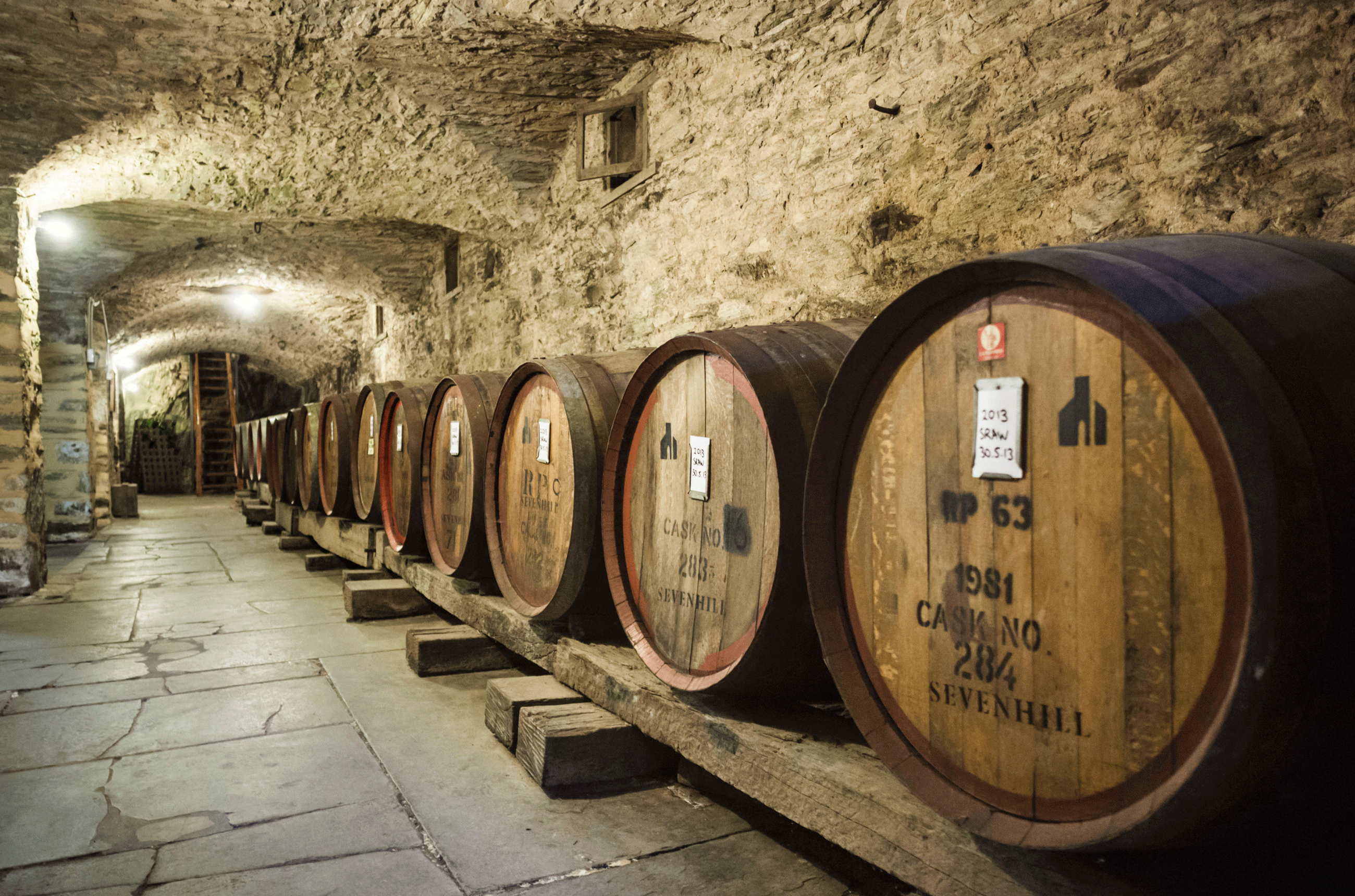
The indigenous nomadic Ngadjuri people were the traditional custodians of the Clare Valley region, with the first Europeans arriving in 1838.
The first vines were planted in the 1840s and the first winery, Sevenhill Cellars, was founded in 1851 by Jesuits to make sacramental wines.
Alfred Percy Birks established the Wendouree vineyard in 1893, planting heritage Shiraz vines that are still thriving today.
Riesling began to be taken seriously in Clare in the 1950s. By 1984 it had become the region’s main grape with 784ha planted.
During this time the number of wineries grew steadily, many of which are now familiar names to wine lovers.
Jim Barry Wines was founded in 1959; Wakefield Taylors and Knappstein in 1969; Grosset in 1981.
The screwcap revolution
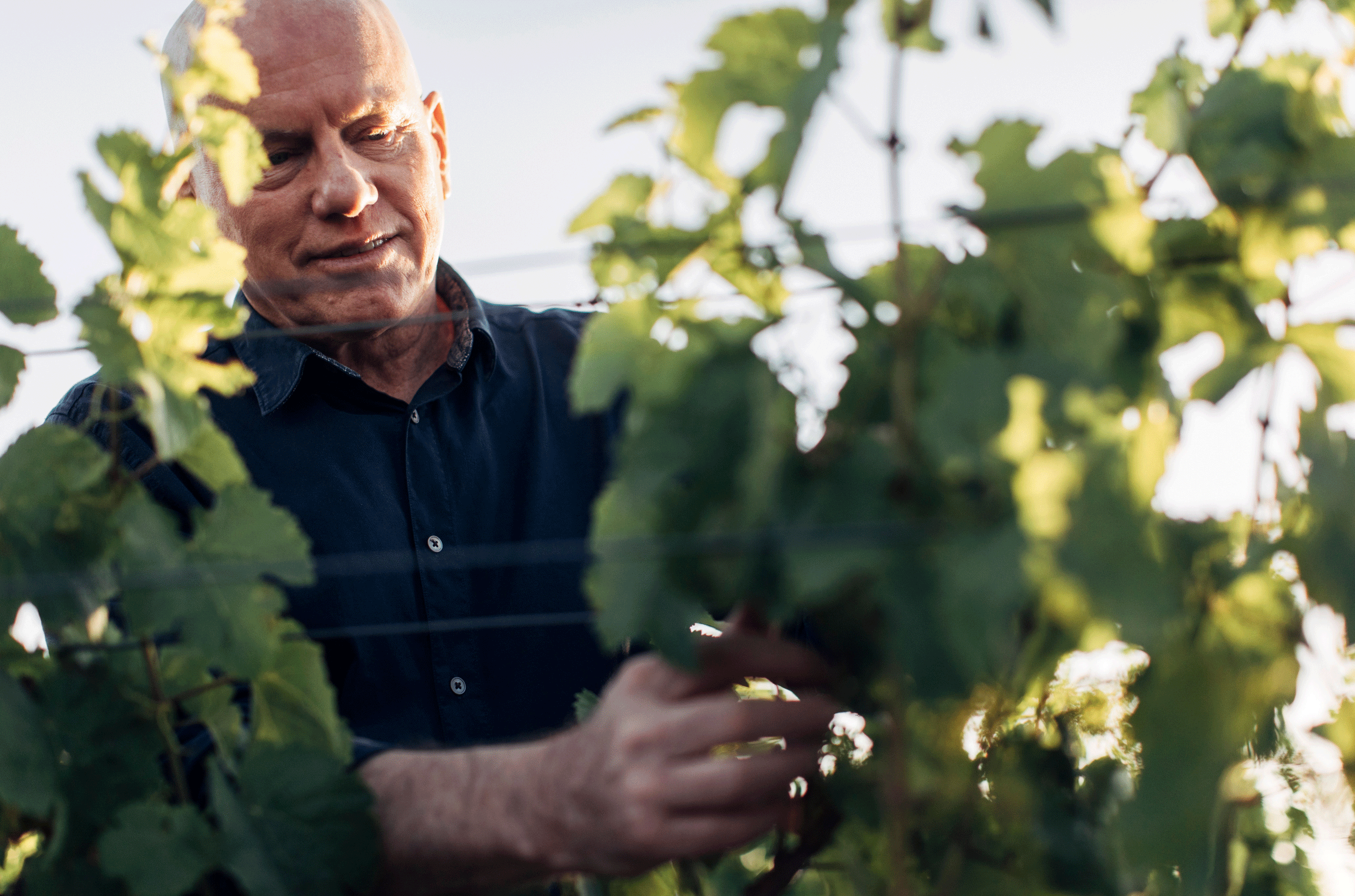
Winemakers such as Tim Knappstein and Leo Buring put Clare Riesling on the map in the 1960s and 1970s.
Then in 2000 a group of 13 Clare Valley winemakers, led by Jeffrey Grosset, took a pioneering decision to champion the Stelvin screwcap closure for their top Rieslings.
Once it had been proved that wines sealed with screwcap retained their freshness and could age, the screwcap was widely adopted by the Australian wine industry across all varieties.
Clare Valley today
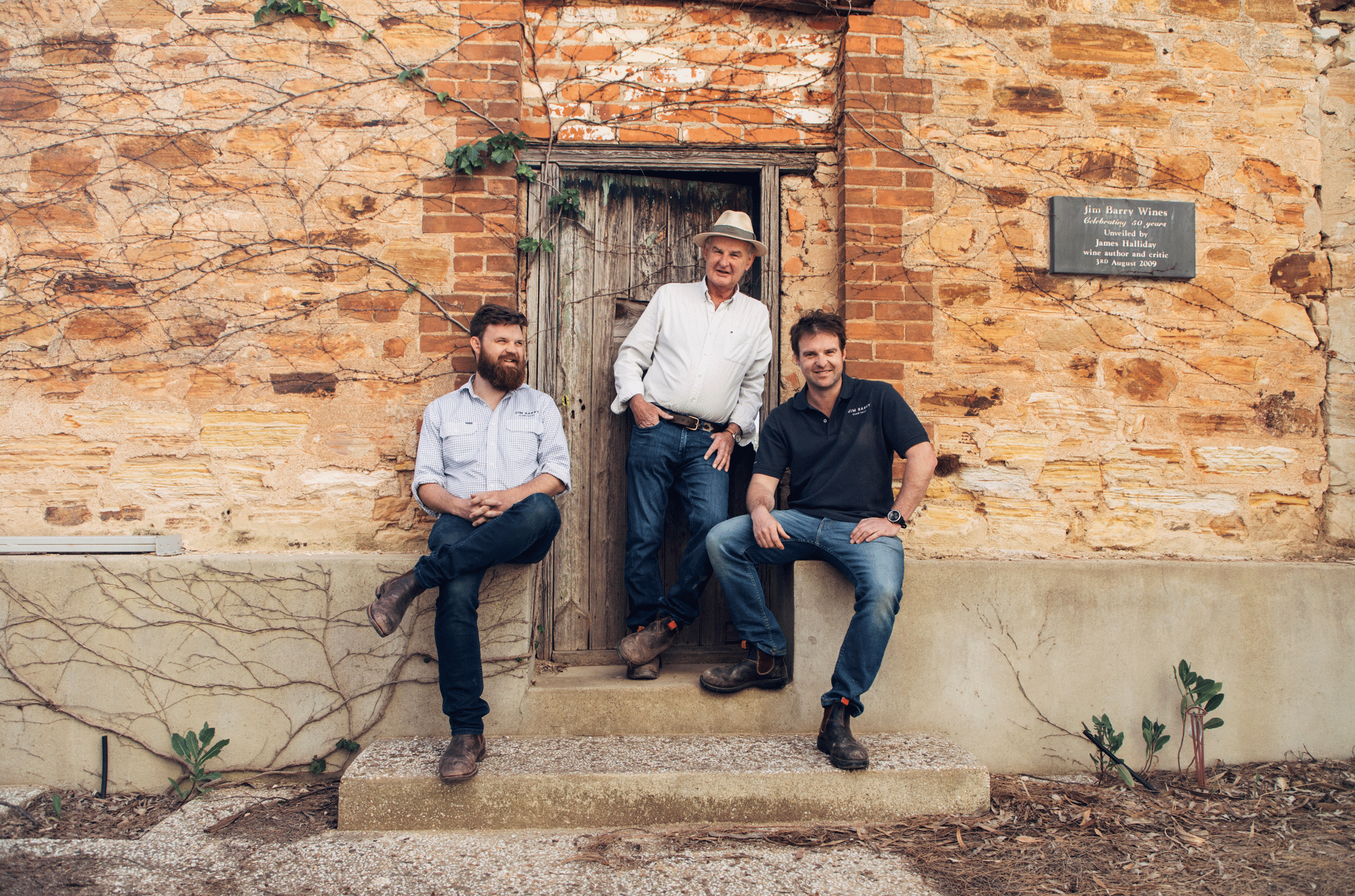
Despite its long winemaking history, wineries in Clare Valley aren’t resting on their laurels.
Winemakers continue to experiment with new grape varieties and new techniques in the winery, with many embracing sustainable, organic and biodynamic practices, and focusing on single site expressions and boutique production.
The lineup of wines below showcases the quality and variety that you can expect from Clare Valley, with bottles from some of the region’s top names.
It’s time to start your taste adventure…
Vineyards: 5,093ha*
Soils: Various including terra rossa over limestone, slate and shale
Climate: Continental, with warm summer days and cool nights
Top five varieties: Riesling 38%, Shiraz 29%, Cabernet Sauvignon 15%, Pinot Grigio 4%, Chardonnay 2%*
Production: 19,116 tonnes crushed in 2025*
Names to know: Grosset, Jim Barry, Kilikanoon, Knappstein, Mount Horrocks, Pikes, Skillogalee, Wakefield Taylors, Wendouree
*Source: Wine Australia
Six top Clare Valley wines to try
Australia's 10 greatest vineyards

Sign up to the Decanter Australia & New Zealand Newsletter