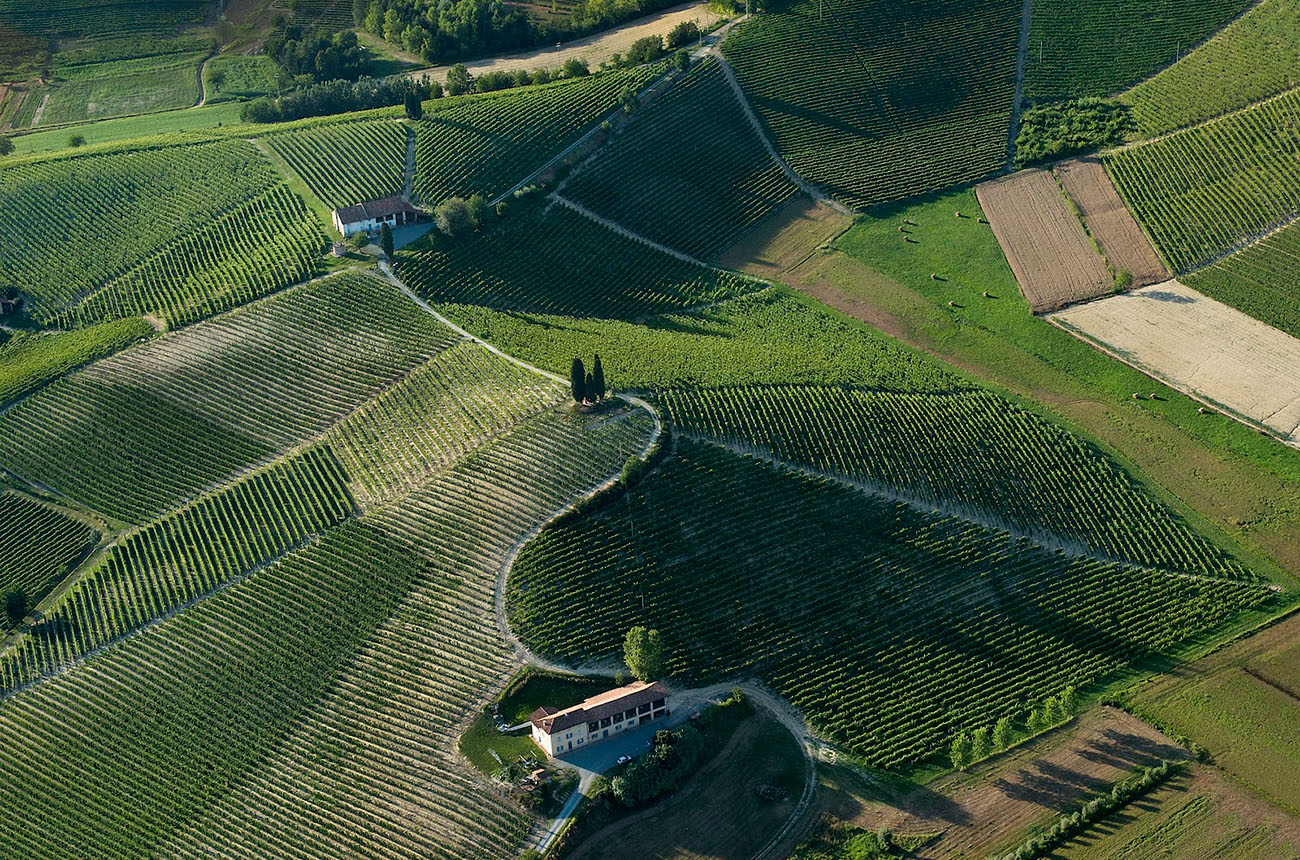





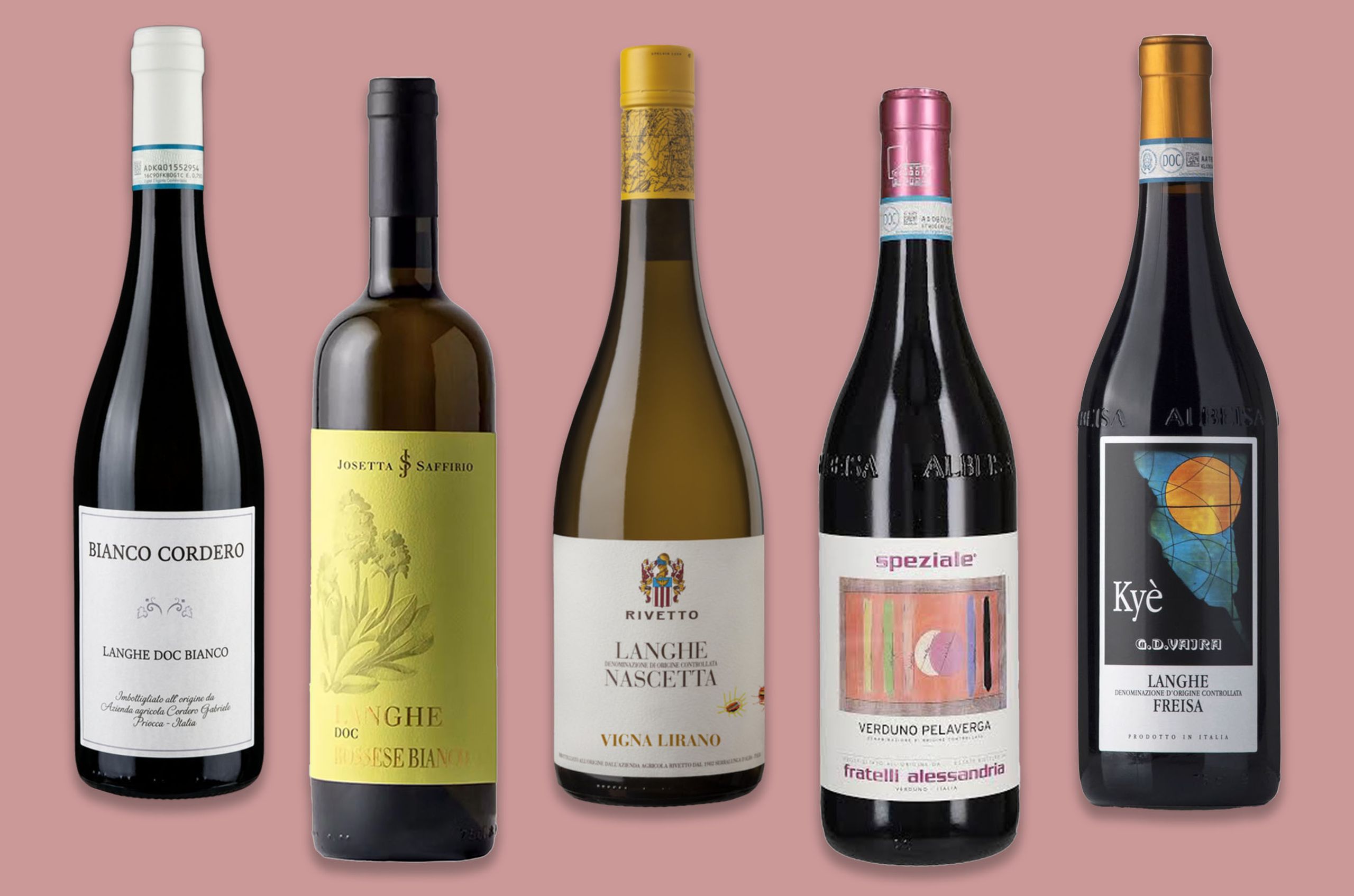
In the rolling hills of the Langhe, one grape steals the show: Nebbiolo.
It’s the variety behind the region’s famed Barolo and Barbaresco wines, bringing such acclaim that it takes a certain audacity to plant anything else.
There are other, delicious, alternatives of course: Barbera, Dolcetto and Arneis are some of the best-established varieties, but beyond these exists another, more curious group of grapes; Piedmont’s underdogs.
Here are five to watch out for.
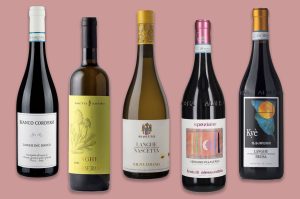
Nascetta
By the mid-20th century, Nascetta had practically vanished. Temperamental and fussy, it was displaced by more productive varieties. Its survival to the present day is due to a handful of growers around Novello.
Golden in the glass, it shows exotic fruit, honeyed notes, and white flower fragrance, with a savoury, waxy weight in the mouth that few Piemontese whites can match.
Locally known as Nas-cëtta, its revival traces back to a 1993 tasting, when growers including Elvio Cogno and Valter Fissore joined journalist Armando Gambera to open bottles from the 1986 vintage.
The wine had aged with real finesse – someone in the room even likened it to Sauternes. Cogno’s first modern bottling followed the next year, beginning Nascetta’s gradual revival.
‘Nascetta shows its best with age’, says Enrico Rivetto – reason enough to seek out older vintages of this strikingly resurgent grape.
Producers to know:
- Elvio Cogno
- Le Strette
- Rivetto
- Braida
Pelaverga
Pelaverga Piccolo’s story is less resurrection than stubborn survival. Confused for years with the grape grown around Saluzzo, it was eventually recognised as its own distinct variety.
Pelaverga’s tiny kingdom is Verduno, where it produces pale, expressive reds with notes of violets, cherries and peppery spice.
‘Pelaverga is the key to understanding the soul of Verduno’, says Vittore Alessandria of Fratelli Alessandria, who describes its character as spicy elegance – fragrant and featherlight yet unmistakably characterful.
The Verduno è Uno association has promoted Pelaverga since 1994, and increasing demand for graceful, lower-alcohol reds has moved it onto serious wine lists well beyond the scope of the village.
‘It fits this “modern-classic” profile perfectly’, says Alessandria. Once tasted, it’s hard to forget.
Producers to know:
- Fratelli Alessandria
- Reverdito
- Sordo
- Arnaldo Rivera
Freisa
Freisa takes its name from the Latin word for strawberry, echoed in its wild strawberry, raspberry and floral aromas.
One of Piedmont’s oldest grapes, it has an established parent-offspring relationship with Nebbiolo. The resemblance is clear: vibrant acidity, formidable tannins, and an ability to age.
When given top-tier treatment, Freisa is a serious wine. And its resistance to heat and drought makes it an attractive prospect for mitigating the effects of climate change.
‘Historically dismissed as a light, sweet or fizzy everyday red, we completely flipped that narrative,’ says Francesca Vaira of G.D. Vajra.
Applying the same long maceration and patient cask ageing as the estate’s Barolos, she explains, ‘we unlocked its true identity: sophisticated, structured, and profoundly ageworthy.’
It’s what Vaira calls ‘a sommelier’s wine’ – one that may require an introduction but is difficult to forget.
Producers to know:
- G.D. Vajra
- Cascina Corte
- Giacomo Fenocchio
- Borgogno
Rossese Bianco
Only seven wineries currently work with Rossese Bianco, says winemaker Sara Vezza of Josetta Saffirio – a grape permitted as a Langhe DOC single-varietal, yet with remarkably little profile.
At Saffirio, the choice was a nod to the past. Vezza’s father wanted to plant Chardonnay, but her mother told him, ‘We should plant something different’. In the end, they chose the local Rossese Bianco.
For Roberto Garbarino, the appeal was ageability. ‘Because of the remarkable tannin of this grape, Roberto thought he could obtain a wine that would age very well,’ says his daughter Beatrice.
Reaction so far has brought ‘a lot of curiosity and interest,’ she adds – ‘a good sign for the future.’
In the glass there’s something of Vermentino about it, but quieter and more textural: citrus, floral, lively acidity and a bitter-herbal edge. It remains elusive, but is well worth seeking out.
Producers to know:
- Josetta Saffirio
- Roberto Garbarino
- Manzone
Bian Ver
There are obscure grapes, and then there’s Bian Ver. Gabriele Cordero came across this ancient Alpine grape in L’Autin’s old vineyards in Barge, close to the Alps.
‘We fell in love with this variety’, he notes, however it wasn’t authorised for vinification in Piedmont.
Cordero worked with Turin University and the regional body to secure its approval, gaining official recognition under Langhe Bianco.
The profile is immediately striking: aniseed, fennel and apricot behind a wall of acidity. ‘In a blind tasting, it would never be associated with an Italian variety,’ Cordero proclaims. ‘Its expression is much closer to Burgundy.’
Grapes like Bian Ver survive because somebody, somewhere, still believes they’re worth the trouble. If you see it, taste it.
Producer to know:
- Gabriele Cordero
Grapes found in one small village, or only grown today thanks to the efforts of a handful of determined growers, is the epitome of the underdog; particularly in a region that’s home to world-renowned Nebbiolo.
But as drinkers continue to seek freshness and a genuine sense of place in their wines, the Langhe’s throwback varieties look remarkably current.
New Nebbiolo releases that show this grape's light-hearted side

Cult Italian winemakers: New chapters, new directions