For New Zealand’s aromatic whites ‘small but mighty’ could become the catchphrase – excluding Sauvignon Blanc, which obviously needs no introduction.
Making up just a tiny fraction of New Zealand’s total production, and often representing a labour of love for those who champion them, these aromatic varieties are nevertheless behind some of the country’s most thrilling and distinctive white wines.
Collectively, they make up less than 8% of New Zealand’s total planted area (including reds), bolstered considerably by the rise of Pinot Gris, whose plantings are nearly five times that of Riesling (see box), which in turn dwarfs Gewurztraminer. Albariño, generating real excitement in recent years, still boasts just 65ha, while semi-aromatic Chenin Blanc has dwindled to a mere 22ha, albeit in dedicated hands.
There aren’t a lot of these wines around, but they offer exceptional quality and remarkable value for drinkers willing to seek them out.
Paul Pujol, winemaker and general manager at Prophet’s Rock in Central Otago – and formerly the winemaker at Alsace’s Kuentz-Bas, the first non-family member to hold the position in the domaine’s 200-year history – is a passionate producer of Pinot Gris and Riesling (alongside a soon-to-be-released four-variety blend including Gewurztraminer and Muscat).
‘Outside Europe, there aren’t many places you can achieve the vibrancy, purity, intensity and freshness, and the true cool-climate expression of aromatic whites that we get in New Zealand,’ he says.
He feels that the varieties have been overshadowed by Pinot Noir and Sauvignon Blanc.
Source: NZ Winegrowers Vineyard Report 2026
Pinot Gris: 2,668ha
Riesling: 539ha
Gewurztraminer: 156ha
Albariño: 65ha
Viognier: 50ha
Chenin Blanc: 22ha
Muscats: 5ha
Perfect conditions
The quality and distinctiveness of these varieties stem from New Zealand’s southerly, largely maritime-influenced growing conditions.
These create long, cool, generally sunny seasons, often combined with significant diurnal temperature shifts, that intensify varietal expression while enabling a wide range of styles, from bone dry to botrytis-affected.
Most wines are made with at least a few grams of residual sugar, offset by vibrant natural acidity that gives the best examples appealingly clean finishes.
Winemaking is largely centred around the use of stainless steel containers to preserve fruit purity, though producers are increasingly turning to older oak, concrete and clay amphorae, with ageing on the fine lees adding texture and complexity.
At Framingham in Marlborough – renowned for producing half a dozen (or more) Riesling styles each season – winemaker Andrew Brown notes that the commercial realities remain challenging.
These wines largely depend on cellar door and retailer hand-selling to find their audience.
‘We are passionate about making the best examples of Riesling we can; the scope may be restricted if we didn’t have the cellar door as a sales channel,’ he says.
But he sees heads increasingly turning.
‘There are some really great examples coming out of NZ at the moment – more textural, restrained and ageworthy.’
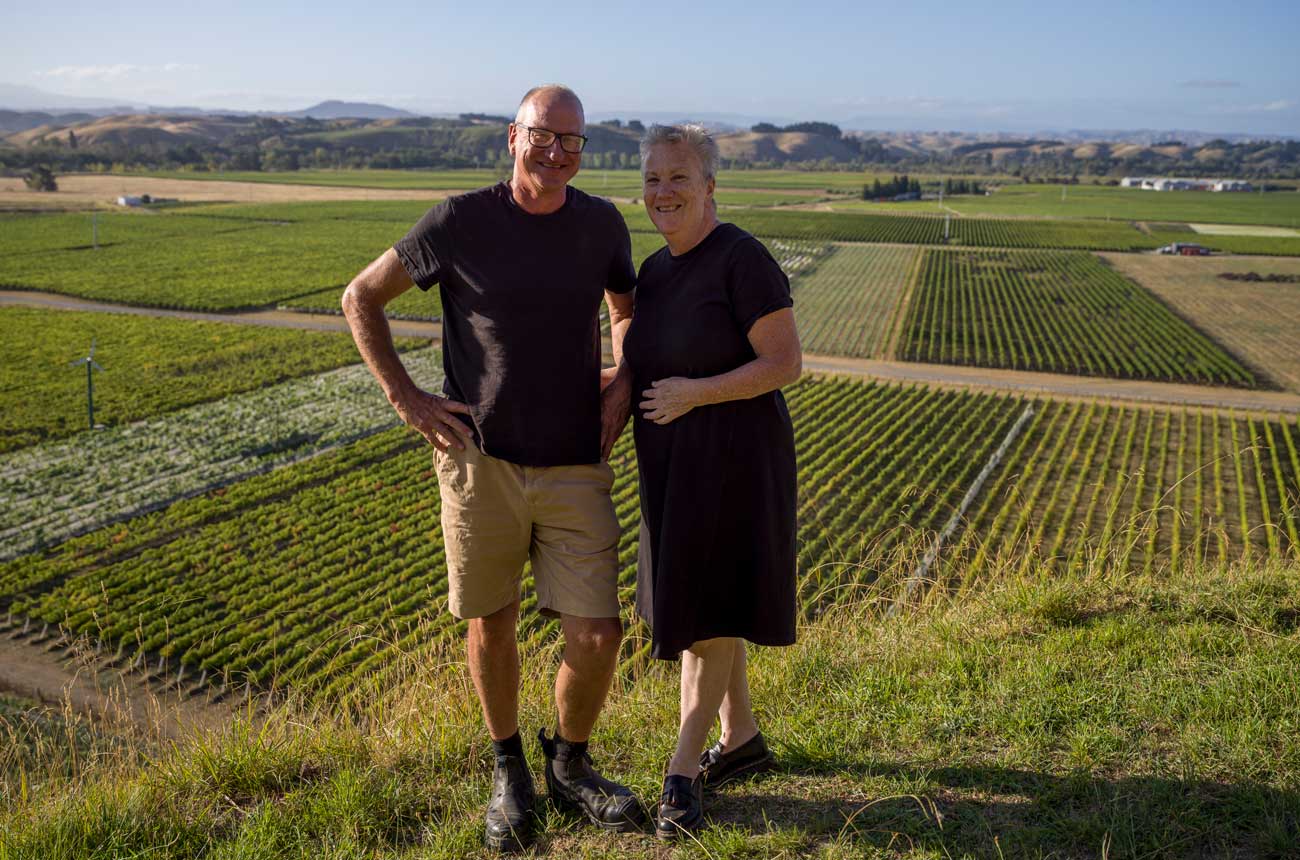
Anna Flowerday (pictured, above) of Te Whare Ra, whose Riesling and Gewurztraminer vines are among Marlborough’s oldest, puts it simply: ‘We truly believe that aromatic whites are the unsung heroes. Overseas visitors are constantly blown away by the quality.’
New Zealand’s finest non-Sauvignon aromatics
New Zealand’s new faces: Six producers forging different paths
New Zealand Pinot Noir Report 2025