





Susie Barrie MW, Matt Hodgson and Dror Nativ MW tasted 66 wines, with 11 Outstanding and 40 Highly recommended
English sparkling wine: Panel tasting scores
66 wines tasted
Exceptional 0
Outstanding 11
Highly recommended 40
Recommended 14
Commended 1
Fair 0
Entry criteria: producers and UK agents were invited to submit their current-release brut or drier-style white, rosé or red traditional-method sparkling wines, single varietals or blends, produced in the UK using a blend of multiple vintages and labelled as non-vintage or multi-vintage
It was the year of the London Olympics, not to mention Queen Elizabeth ll’s Diamond Jubilee celebrations.
But for UK wine, 2012 was an annus horribilis on a scale hitherto unseen in the modern era.
When a vintage that bad comes along, having a stock of reserve wines to draw on is an essential blending tool in any traditional-method sparkling winemaker’s arsenal.
Sadly, given the nascency of the UK industry at that time, very few wineries had a reserve wine programme.
But as Hattingley Valley’s then head winemaker Emma Rice said: ‘2012 spurred us on to do it’.
Fast forward to today and the industry has evolved from producing largely single-vintage wines to one where non-vintage (NV) and multi-vintage (MV) bottlings play a growing role.
Hence this panel tasting, which also perfectly demonstrated how quality is rising seemingly exponentially.
As Dror Nativ MW stated: ‘If you consider the number of high scores we gave today, there’s really smart, consistent winemaking in England.’
Depth of flavour
Matt Hodgson concurred, adding: ‘I think non- and multi-vintage is the right direction of travel for the English wine industry’, and all the judges agreed that the wines containing higher levels of reserves (or just based on older vintages) delivered greater complexity and depth of flavour.
It’s also worth mentioning that almost all the wines we rated Outstanding (95 points or more) had seen oak and spent considerable time on lees, which added further layers of flavour.
One noteworthy observation was the way in which the whites outperformed the rosé wines (of the 30 wines scoring 93-96pts, only eight were rosé).
Hodgson commented: ‘We’ve always been big advocates of English sparkling rosé [at retailer Grape Britannia] and they were great – it’s just the whites were even better.’
Beyond quality, what I find exciting is that, in the key sweet spot of £30-£50, the best UK wines offer excellent value.
As Nativ said: ‘Based on the tasting today, we saw brilliant value compared to either Champagne or any worldclass sparkling wines.’
I couldn’t agree more.

Given that English fizz is of a similar quality to Champagne these days, is there anything to say about partnering them with food other than that they should work with similar dishes to Champagne?
That’s undeniably true, but it’s also good to think about how you might drink them from an English perspective.
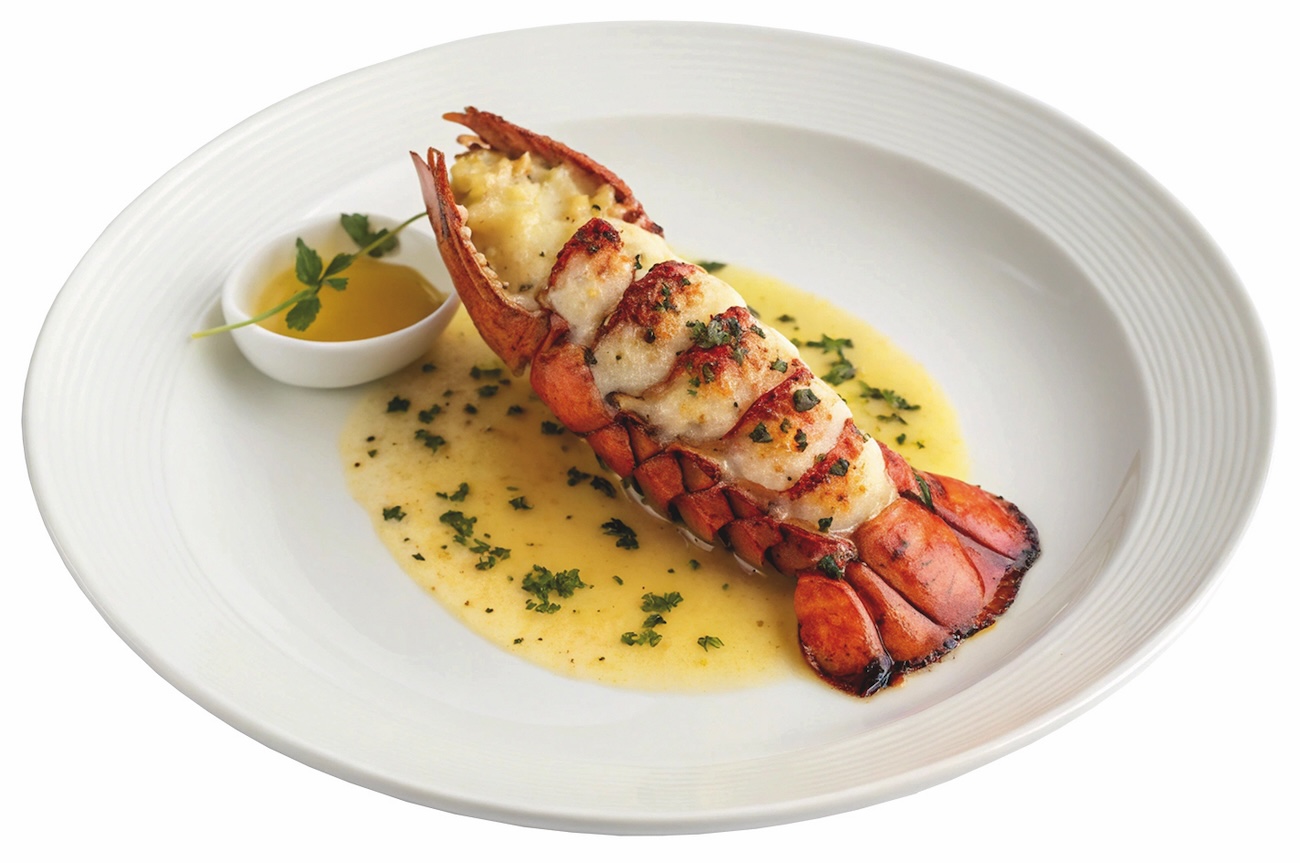
Fish and chips is often trotted out – nothing wrong with that – but these quality wines would be excellent with more elevated seafood-based dishes such as grilled lobster, seared scallops or salmon en croute (sparkling wine has a real affinity with pastry).
There’s no reason why you can’t take them further afield, too. The impressive low- or no-dosage English sparkling would be great with raw fish dishes such as sushi, sashimi and carpaccio.
When it comes to English sparkling rosé, what about a summery Sunday lunch with rare roast fillet of beef or a butterflied leg of lamb, again rare, maybe cooked over coals?
Rosy-pink red meat is a surprisingly good match for sparkling rosé.
See all notes and scores from the UK sparkling wines tasting
The judges
UK sparkling wines panel tasting results:
Wines were tasted blind


Vintage English sparkling wine: Panel tasting results
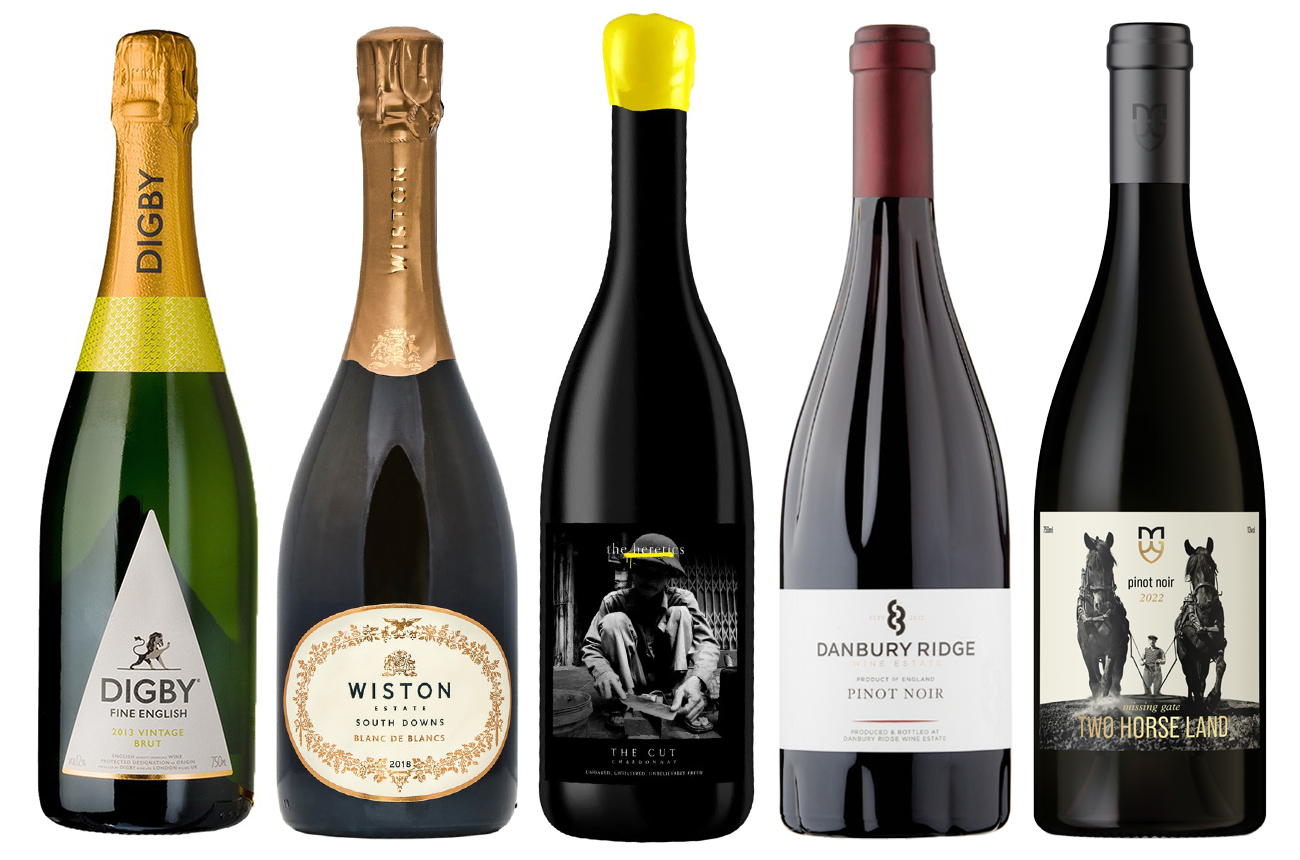
Best English and Welsh wines to try