






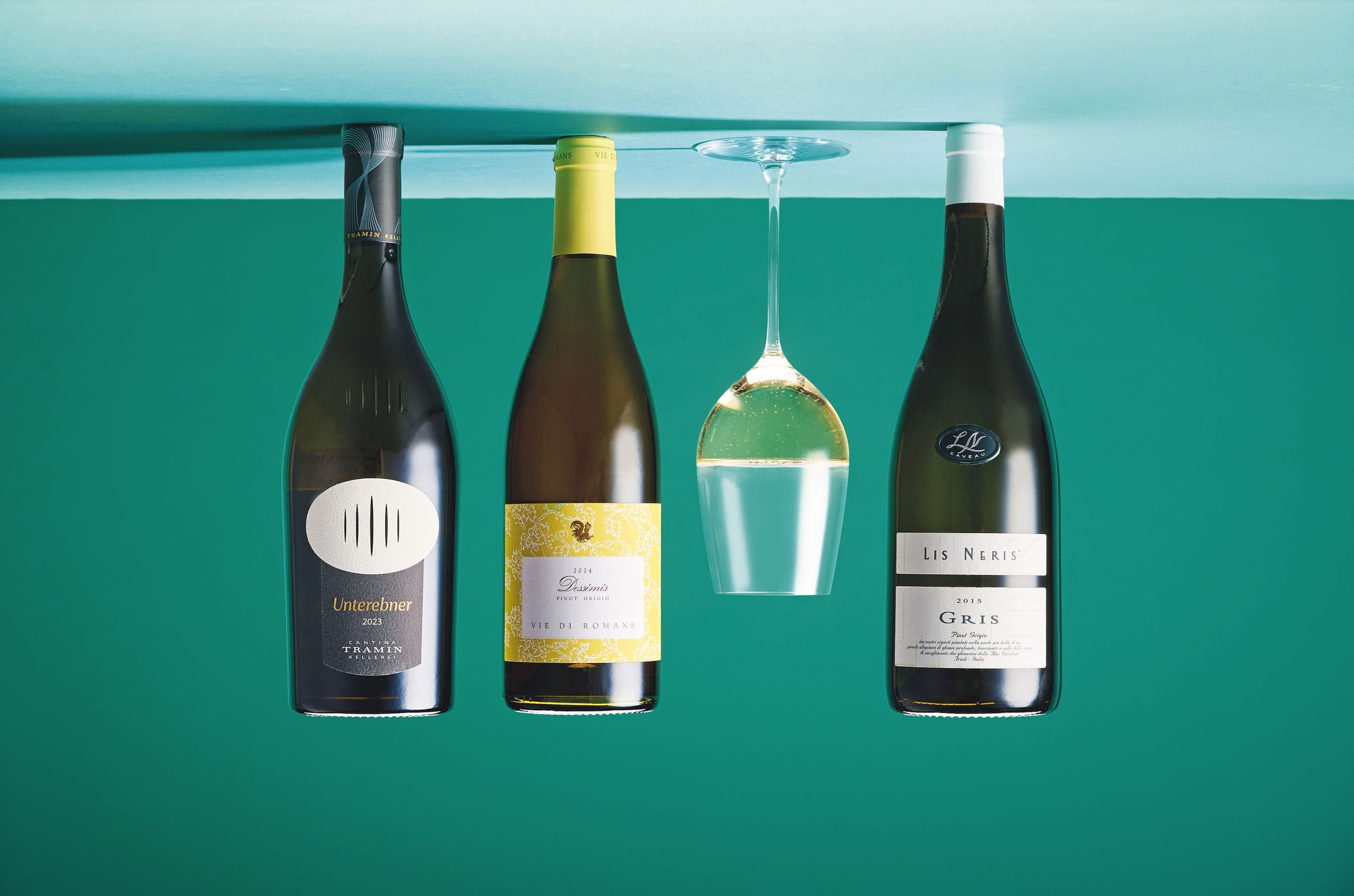
Melania Battison, Andrea Briccarello and Bruno Besa tasted 61 wines with 3 Outstanding and 25 Highly recommended.
North Italian Pinot Grigio: Panel tasting scores
61 wines tasted
Exceptional 0
Outstanding 3
Highly recommended 25
Recommended 30
Commended 3
Entry criteria: producers and UK agents were invited to submit their Pinot Grigio wines, from any vintage, from a northern Italian region: Aosta, Emilia Romagna, Friuli Venezia Giulia, Liguria, Lombardy, Trentino-Alto Adige, Piedmont or Veneto.
Quality and diversity
Tasting 61 Pinot Grigios might sound like a dream to some, or a slow-burning endurance test to others. I’ll admit I approached it with cautious optimism.
And sure enough, somewhere between glass number 15 and 40, I was reminded why this grape deserves far more credit than it often gets.
Having spent time in Friuli Venezia Giulia, in Italy’s northeast, I’ve seen first-hand what Pinot Grigio can achieve when it’s taken seriously – and how frustrating it is that so much of the good stuff rarely travels beyond Italian borders.
The denomination is evolving rapidly, not just in volume but in quality and demand.
Three key regions in northern Italy were represented in this tasting, each with distinct traits that genuinely help consumers navigate the category, whether browsing a wine list or standing indecisively in a supermarket aisle.
Friuli Venezia Giulia, in particular, refused to be boxed in. As Bruno Besa neatly put it: ‘There isn’t a common denominator here.’ Quite right.
‘There is a style for everyone’

The range moved from bright, youthful examples to bottle-aged wines and traditional yet adventurous, copper-hued ramato styles – a result of the natural greyish-pink pigments in the grape’s skins, which will colour the wine if extended maceration is allowed.
Represented in four of the top six wines, ramato stole the show: textured and characterful, they’re proof that Pinot Grigio has a backbone and personality.
Yet across all styles, elegance was the unifying thread in the Friuli Venezia Giulia region.
Veneto, meanwhile, reminded us why Pinot Grigio conquered the market in the first place. The quality-to-price ratio remains unbeatable. These wines were defined by freshness, energy and accessibility – less contemplative perhaps, but joyfully drinkable.
Alto Adige (Südtirol) felt shaped by its alpine climate, delivering precision and consistency: zesty acidity, citrus clarity and subtle texture, thanks in part to the grapes’ thicker skins and the cooler nights.
As Andrea Briccarello concluded: ‘There is a style for everyone.’
After 61 glasses, I can agree and confirm that Pinot Grigio’s greatest strength is versatility without pomposity.

As this tasting revealed, Pinot Grigio can be far more elegant and complex than it’s given credit for, but that doesn’t necessarily take you in a different direction food-wise.
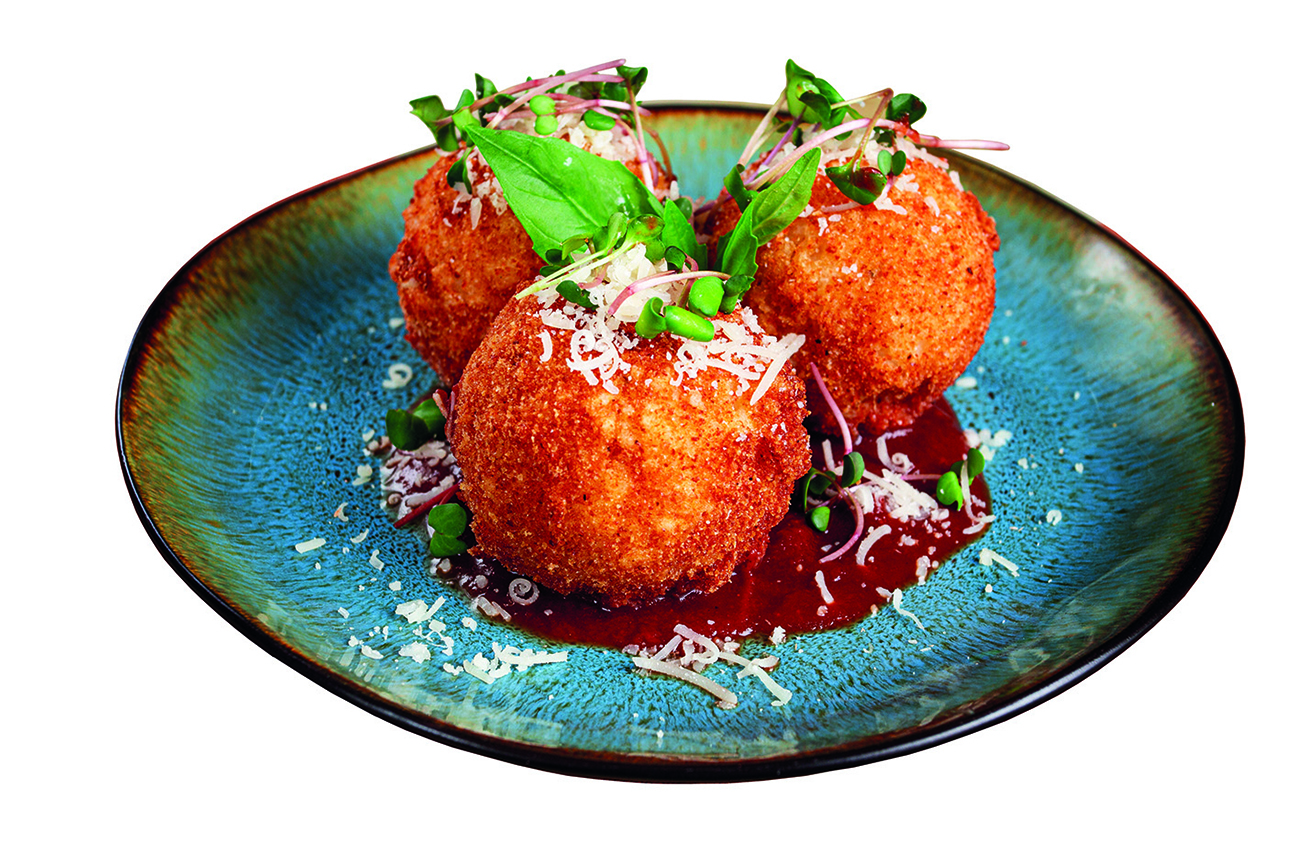
Starting with Italian food, the crisper, fresher styles – and most of these wines were drinkable now – would be superb with an antipasti selection featuring fried dishes such as arancini and fritto misto, and with pasta dishes based on seafood or with creamy sauces.
In fact, the extra weight of these premium examples helps cut through a rich pasta dish such as carbonara or a crab-stuffed raviolo.
Pinot Grigio’s versatility works equally well with other European cuisines, especially seafood dishes from France, Greece and Spain. Any meal you can accompany with an Albariño or Assyrtiko, you could enjoy with a north Italian Pinot Grigio.
As for the ramato skin-contact style, think more in terms of habitual partners for orange wine: ingredients such as lamb and aubergine, mezze such as hummus and other Middle Eastern dips, game such as pheasant or wild boar, and hard sheep’s cheeses.
See all notes and scores from the north Italian Pinot Grigio tasting
The judges
North Italian Pinot Grigio panel tasting results:
Wines were tasted blind

The Antipodean winemakers feeling the lure of Italy


Rioja Report 2026: A comprehensive review of the latest releases