







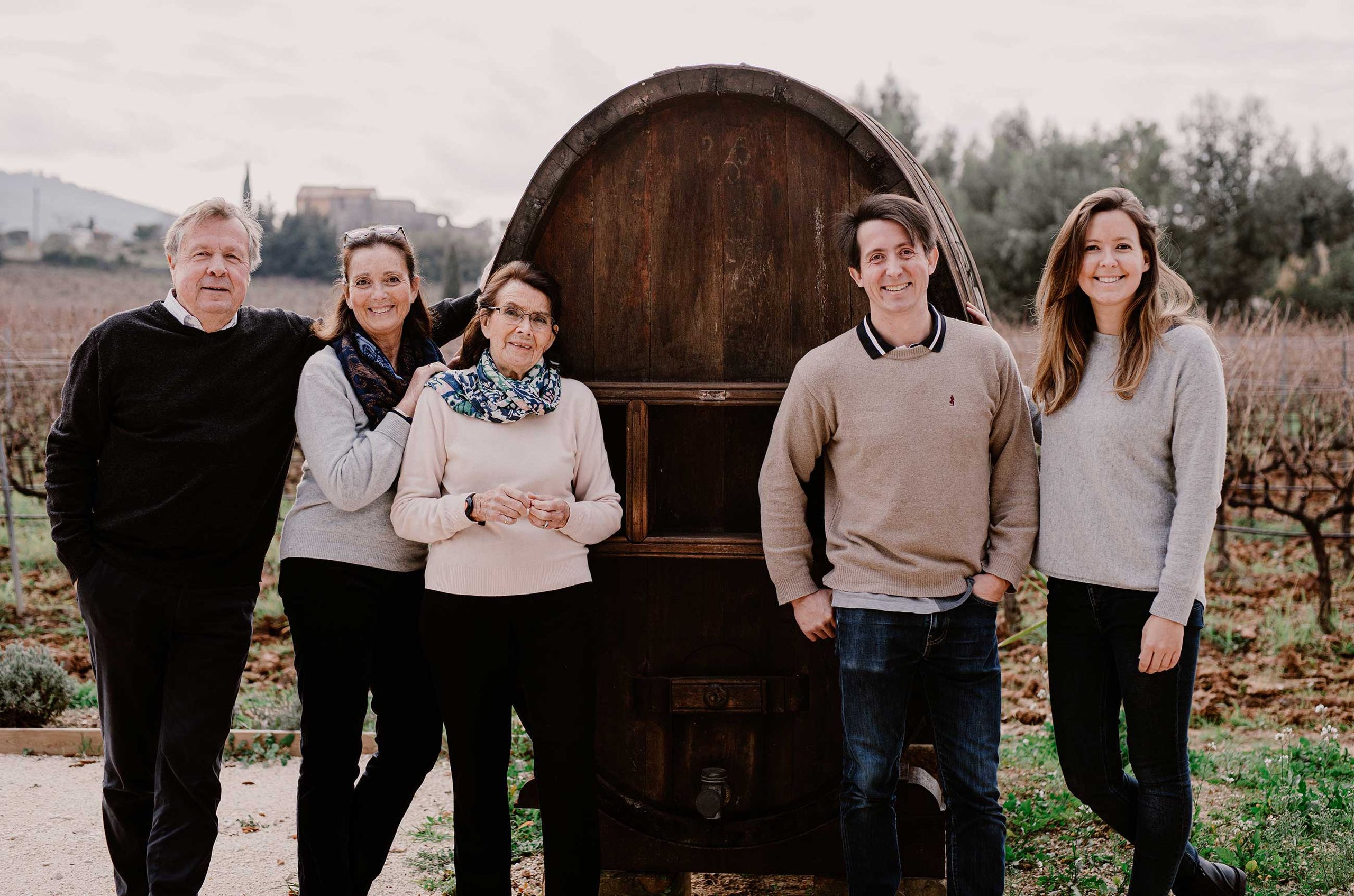
The story of Clos Cibonne represents not just the history of coastal Provence, but also of one family’s stubborn belief in their traditions.
It has resulted in one of Provence’s most iconic cult wines, often regarded by other Provence winemakers as not being Provence-like because of its atypical style.
Over 200 years of history
The estate traces its origins back to the late 18th century, when naval captain Jean-Baptiste de Cibon, based in nearby Toulon, built a hilltop bastide (a type of fortified manor) with a direct view of the sea, and called it Château Cibon.
Upon Cibon’s death in 1797, the property, a symbol of elite ownership, was taken over by France’s new Republic after the French Revolution, divided into small lots and sold to the general public.
A portion was sold to the Roux family, although not the Château Cibon bastide.
Provence’s fortunes grow
The 19th century saw the development of the coastal industry. In 1857 the Cap Garonne sandstone quarry was opened on the hill just to the south of Cibon.
Copper and lead were discovered in 1862, and by the 1890s the copper was being used for Bordeaux mixture – a fungicide used on grapevines to prevent downy mildew.
The advent of the railway from 1859 revolutionised Provence, opening up the region to trade and to tourists seeking the summer sun.
The Roux family profited from this prosperity, planting citrus groves, vineyards and other horticulture to supply tourists and hotels.
Following the devastation of phylloxera in the 1880s, many vineyards were re-planted with high-yielding varieties, and Tibouren, Provence’s only indigenous variety, was abandoned.
Tibouren’s susceptibility to powdery mildew, uneven ripening and oxidative characters made it unpopular, endearing it only to those who loved its rich apricot flavours.
Early rebels, the Roux family was one of the few to replant the grape.
- Tibouren has the same DNA as Rossese di Dolceacqua in Liguria, Italy.
- Back in 2014, on a visit to Clos Cibonne with Randall Grahm, we discussed the variety’s potential for his Popelouchum project: its propensity for uneven ripening meant that some unripe berries contributed acidity without resorting to early harvesting.
- Around 500ha of Tibouren is planted in Provence, made up of small percentages in a number of estates. The Côtes de Provence Fréjus appellation stipulates a minimum of 15% in its rosés.
Part of the landscape
By the 1930s, Marius Roux (1875-1958) had developed the estate’s wine production. He bought large 5,000-litre beer barrels from southern Germany and, like the Otts at nearby Clos Mireille, started to sell his wine in bottles.
The current label design dates from this era.
Marius was followed by his son André (1905-1989), who changed the name from Château Cibon to Clos Cibonne.
André was active in getting Clos Cibonne recognised as a cru classé in 1955. The key requirements were that the wine was sold in bottle and could prove its ageing potential.
By the time the appellation rules were being written up in the 1970s, they had a clear precedent allowing them to continue selling their wines with Tibouren on the label – no other Côtes de Provence wines are permitted to label their wine varietally.
Following André’s death in 1989, his daughter Jacqueline took over the estate with her husband, Emile Mourchou.
Emile restructured the estate by buying land, replanting Tibouren and developing a new cellar, choosing to retain some of the 5,000-litre foudres.
Their daughter Brigitte and husband Claude Desforges took over the estate in 2003, bringing the cellar up to date with modern technology.
Clos Cibonne catches the attention of sommeliers
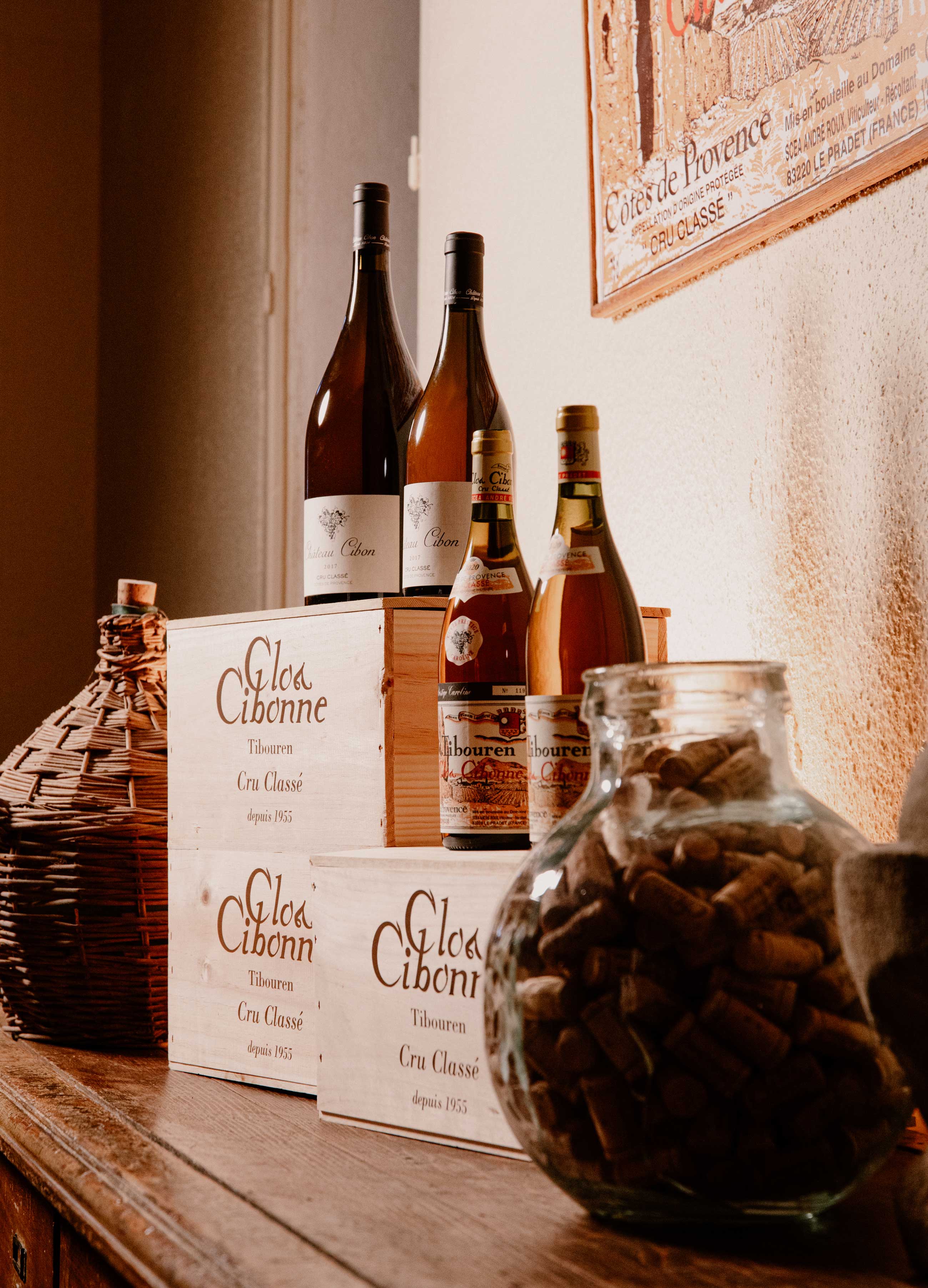

It was around this time that local sommeliers were increasingly talking about Clos Cibonne’s exceptional wines.
Faced with the growth in popularity and fame for Provence rosé, there was considerable pressure on the family to change from their traditional dark glass bottles to a clear glass bottle, and to adapt to a modern image of pale, fresh Provence rosé.
Instead, they resisted this pressure, and the wines have retained their unique rich and concentrated style, and are still bottled in dark glass.
Clos Cibonne today
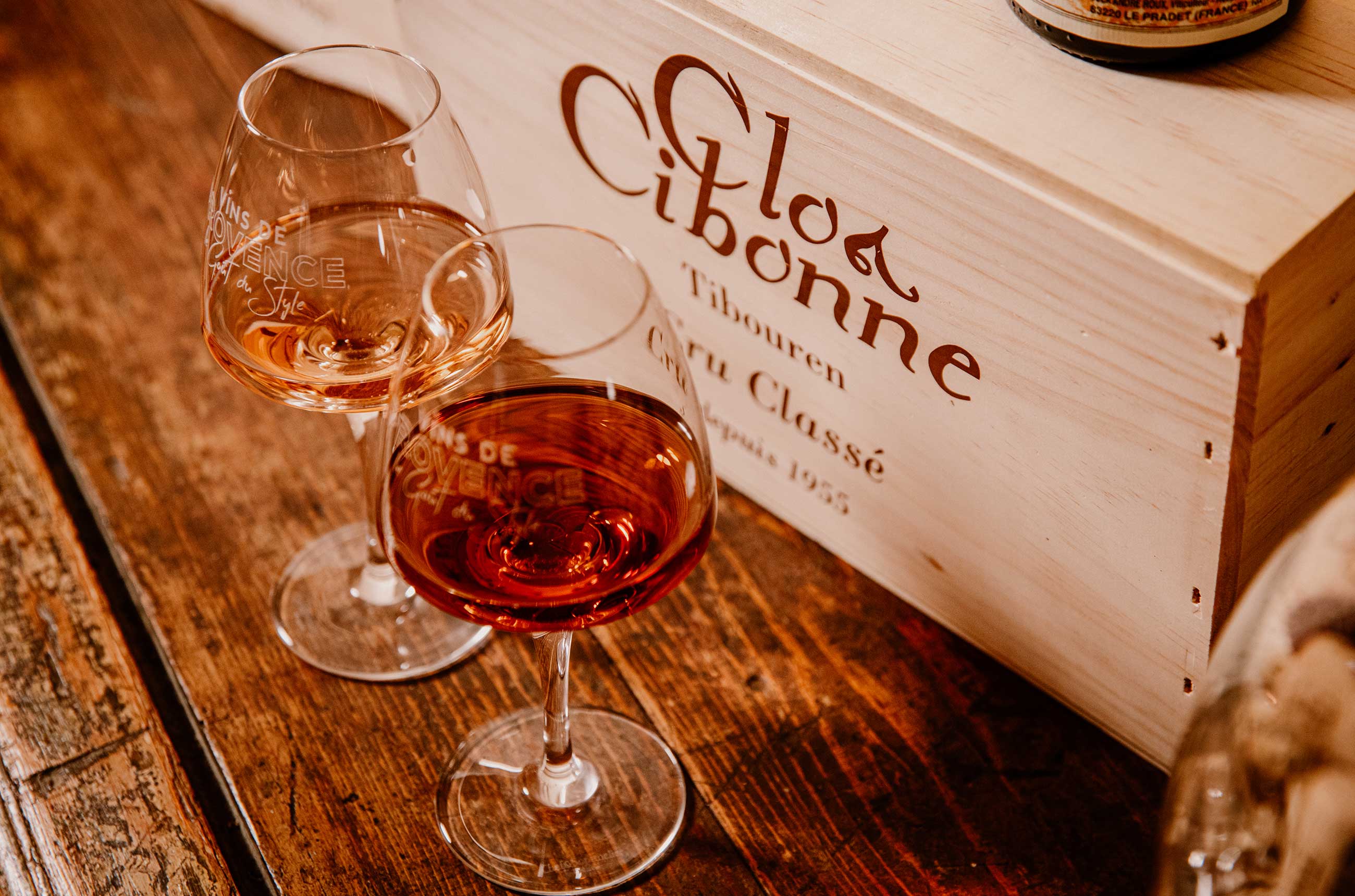

Some of the wines go through malolactic fermentation, and some develop a layer of flor while in foudres, although any oxidative flor character is barely noticeable.
As Claude acknowledges, their aim is to make good wine, not just rosé.
Claude continued to buy adjacent parcels that once made up the original Château Cibon property, bringing the estate to its current size of 24ha – except the original bastide, which still has numerous owners.
He also purchased neighbouring Domaine Navicelle.
Although close to the sea, the vineyards nestle behind a range of low, coastal hills (on the other side of the hills lies the coastal region of La Londe).
The vineyards are located on the Colle Noire massif, and erosion has given rise to a mix of soil types.
Tibouren has different flavour profiles depending on its location and soil type: high up, the schist gives spicy flavours; in the middle there is clay-limestone and loam, with the more silty soils giving citrus freshness.
The warmer, sandier soils on the lower slopes are used for red wine.
The surrounding flat land is criss-crossed with drainage channels, lined with canes and reeds, and has a high water table – a problem for mildew-susceptible Tibouren.
Nevertheless, Cibonne has been cultivated organically since 2012, and certified since 2020.
Tibouren buds early, but luckily spring frosts are not a problem, and it achieves good sugar levels, even when one of the first grapes to be harvested.
The combination of ripe fruit and oak gives the wines great concentration.
Defiant wines
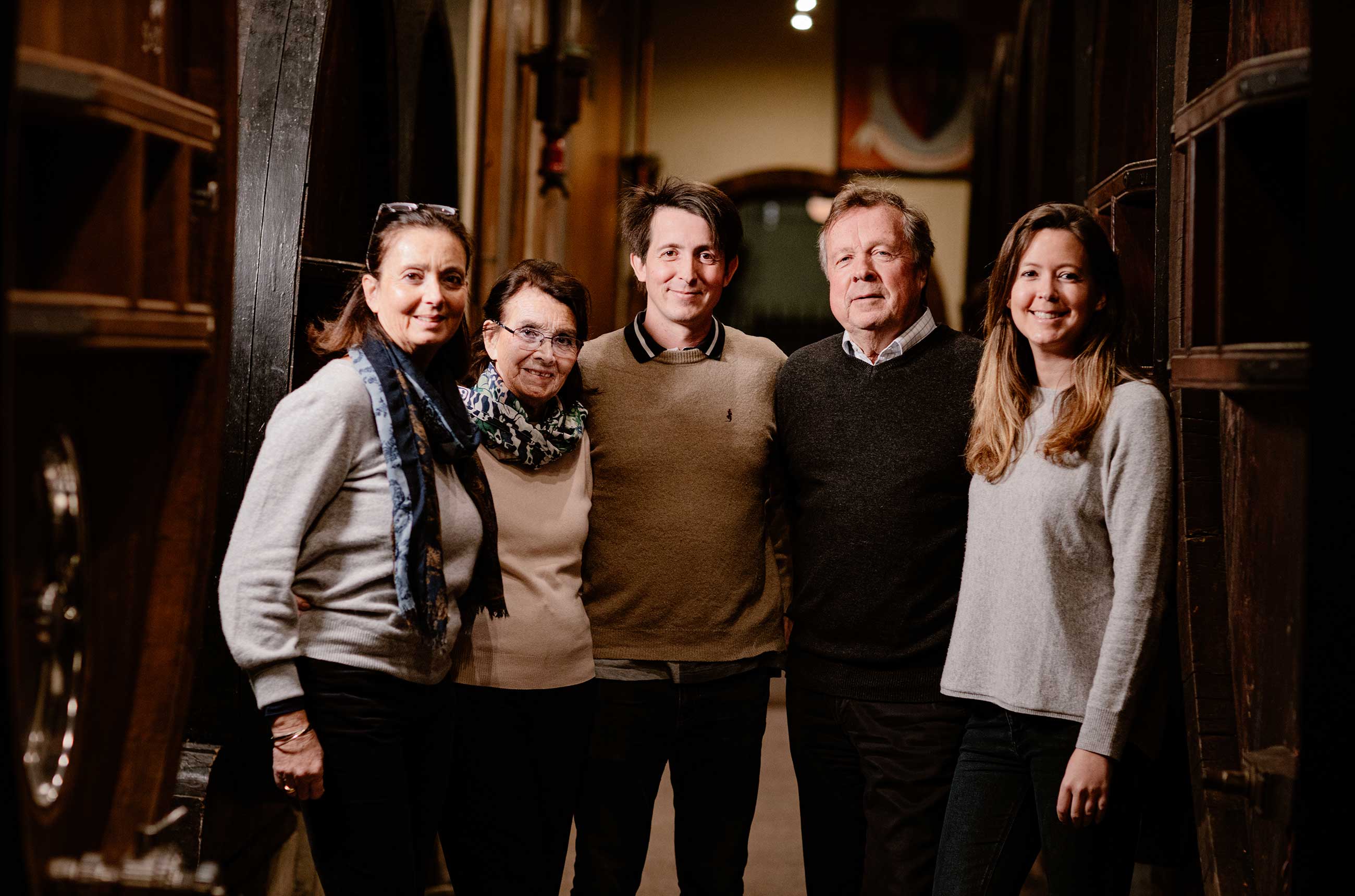
Clos Cibonne remains a family-owned domaine, increasingly rare in Provence, and Claude’s son Olivier is currently taking over.
He says he has no intention of changing the style of the wines. He also aims to continue the tradition of making special cuvées to honour family members: cuvées Caroline (his sister), Olivier, Marius, as well as new cuvées to mark the birth of Olivier’s children: Simon (born in 2023), Valentin (born in 2019) and Jacqueline (born in 2018).
The rosés remain the standout wines in the range. Their ageing potential means they can be cellared and can accompany complex food pairings.
The wines may be idiosyncratic, not always perfect, defy market trends, and show more vintage variation than most rosés, but they definitely stand out from the crowd.
Clos Cibonne through time


Panel tasting results: Make these your go-to Provence rosés this summer

30 Provence wines for Rhône lovers to seek out


