Walk into most wine bars and order a sweet wine from Rioja and your server will look at you like you have two heads.
If, however, you happen to be in one of the few establishments with access to the wines of Bodega Ojuel, you may be met with a knowing smile and a nod, and be on your way to tasting a part of Rioja’s history that was once given up as lost.
Miguel Martínez didn’t mean to recover supurao, Rioja’s ancestral sweet wine, or even to become a winemaker. The way he explains it, he just sort of fell into it.
During his early 20s, he got a job in his grandparents’ village in the Sierra de Moncalvillo mountains restoring neveras – structures built to store snow that was later taken down to the cities to preserve food.
Older people would visit to see what the workers were doing, he explains, and tell stories about how they used to live.
One story that stayed with Martínez was how people would bring grapes home to eat during the winter.
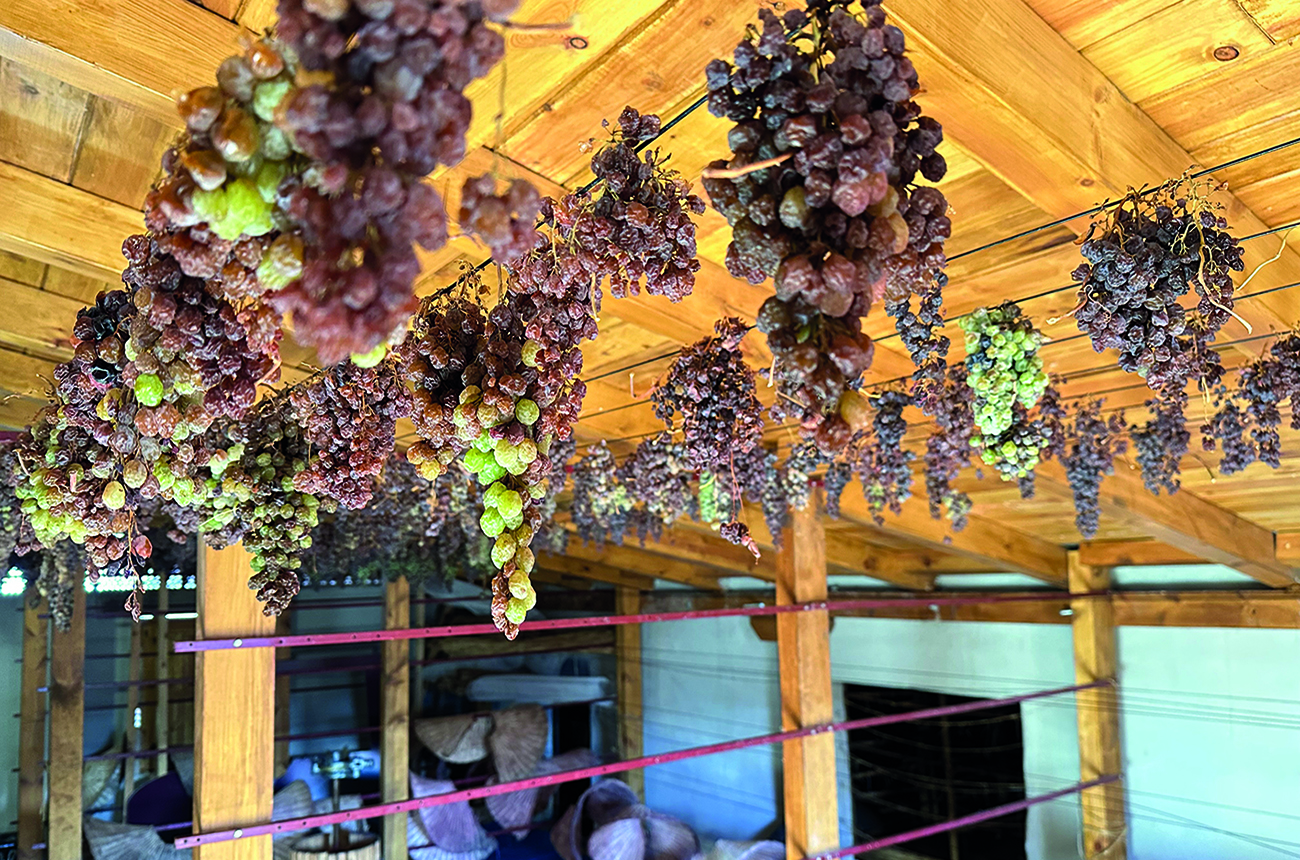
When the grapes turned into raisins, instead of discarding them, locals would press them and make a sweet wine that they drank on special occasions such as weddings and baptisms.
It was known by different names, but the most common was supurao.
Something special
When Martínez asked his wine-loving friends about supurao, none had heard of it.
‘No one was making it any more,’ he says. ‘The only people who remembered it were very old, because it went back to their grandparents’ or great-grandparents’ time and had been lost a long time ago.’
Listening to their stories gave him his first inkling that supurao was something special.
When the old people talked about it, they would smile, he recalls. ‘And you know, with that generation, they didn’t always smile,’ he says. ‘But you’d ask them about the wine and they’d remember the special times in their lives.’
Martínez decided the wine needed to be brought back – not with any intention of selling it, he explains, but ‘just out of curiosity, to recover it’.
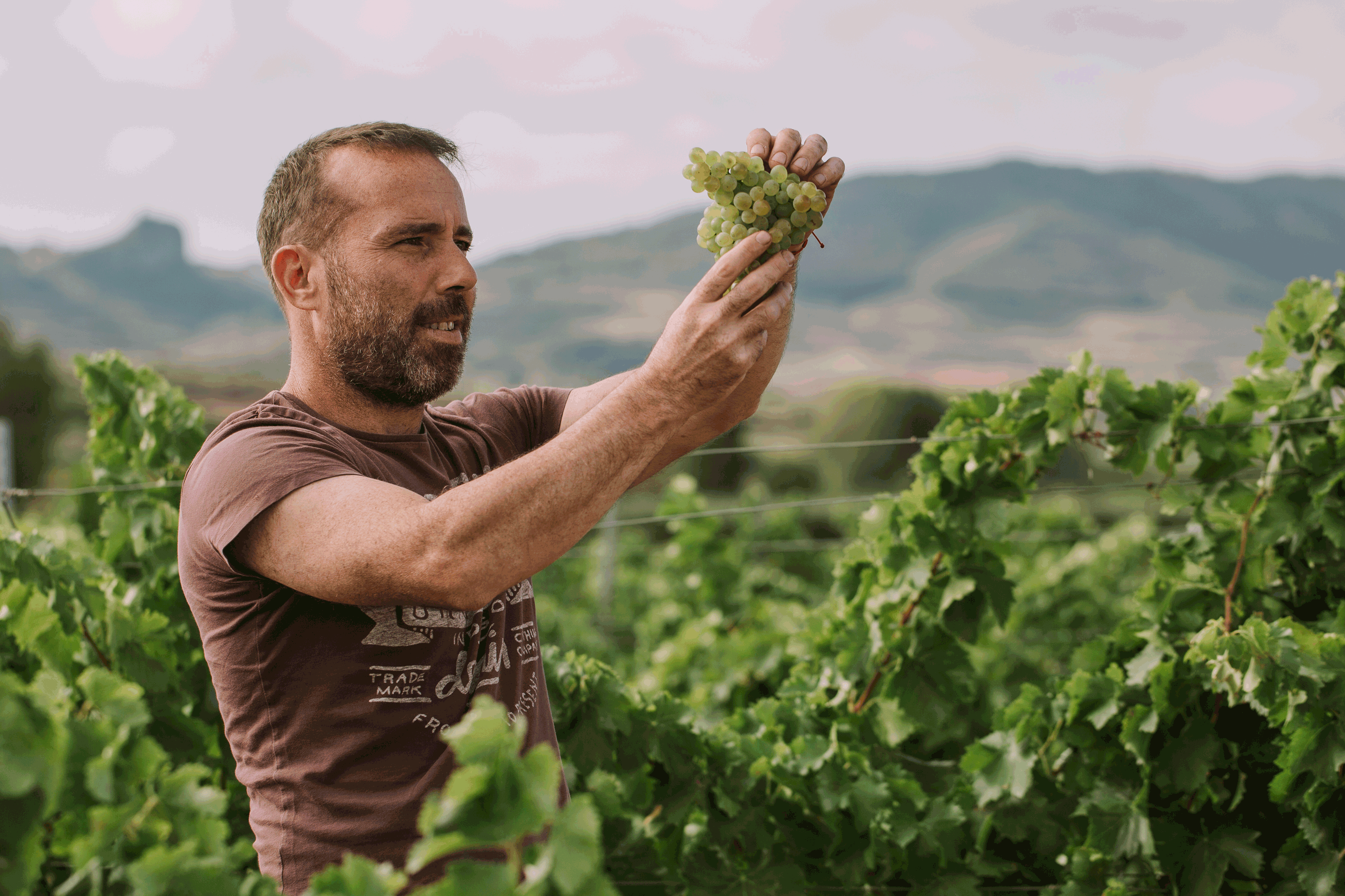
To source the grapes he would need, he turned to his grandparents’ old Garnacha and Tempranillo vineyards.
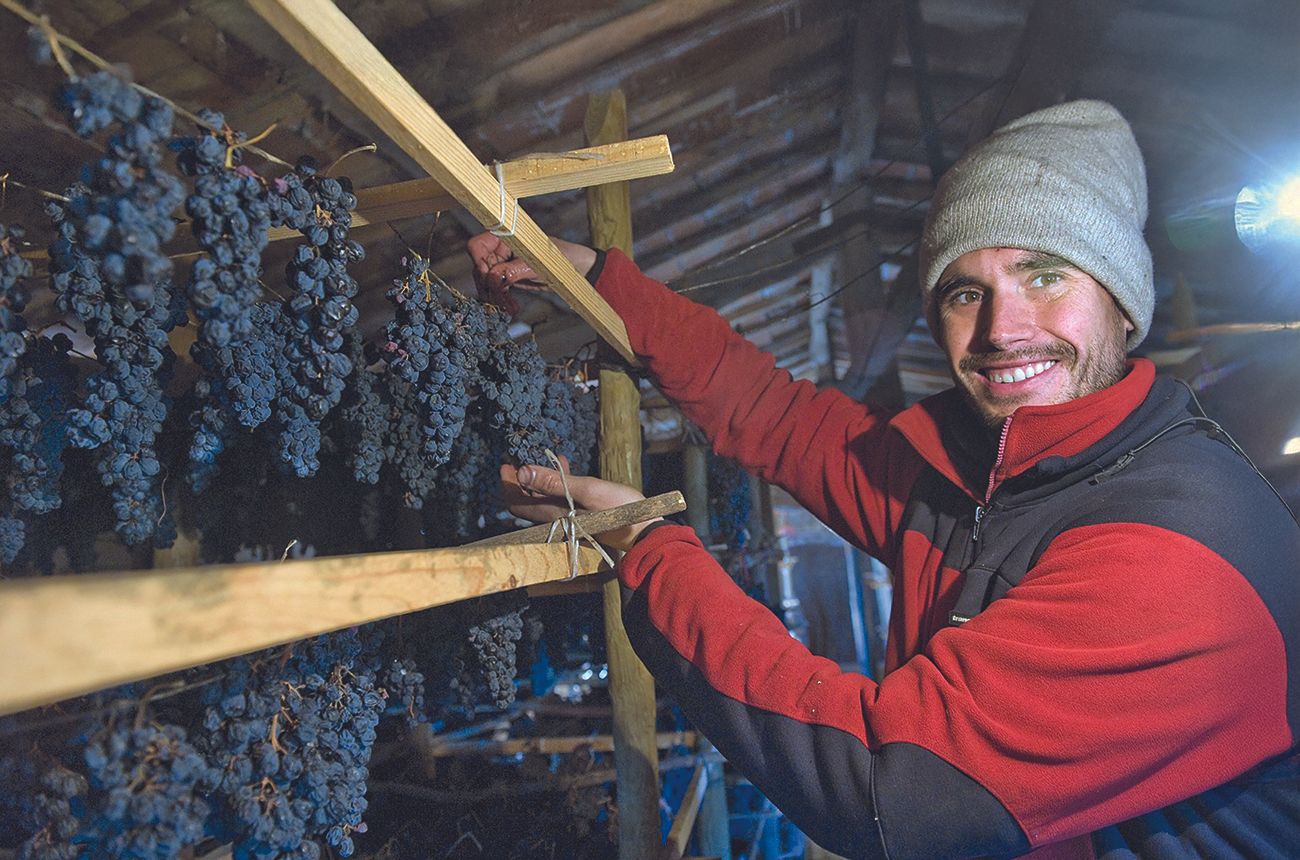
After painstakingly restoring them, he found and rebuilt an old, run-down barn in which to hang his grapes through the winter until they turned into raisins.
‘Then came the question: What do I do now?’ he recalls.
Pressing raisined grapes is incredibly difficult, requiring small presses with lots of force to extract tiny amounts of liquid. In the end, he achieved good results by using traditional olive oil presses.
There was just one more problem: he knew nothing about winemaking.
After a process of trial and error, Martínez made one small, 125-litre barrel, or about 300 half-bottles,
in 2009. He began selling his supurao locally, at village markets, where he was amazed by the reception among older people, who would taste it and share their own experiences with sweet wine.
At one such fair, an elderly woman told him she still had a bottle of supurao her father gave her on her wedding day. ‘I went to her apartment, and her grandson opened the door,’ Martínez recalls.
‘I started telling him what I’d come to see and he said, “Oh, yeah, that old thing.” And I said to myself, how things have changed, right?’ The bottle was from the 1970s. It had been opened and was partially oxidised, but it was still perfectly drinkable decades later.
‘That’s when everything started to make sense,’ Martínez says. ‘This wine had real historical importance.’
Attracting attention
Singlehandedly reviving a lost winemaking style didn’t go unnoticed, and over time, what he was doing started to attract attention.
Sommeliers, producers, famous winemakers and people connected to top restaurants began to visit. From there, his life changed.
‘Visitors would ask, “Don’t you make red or white wine?” So I started working more of those old vineyard plots and producing other wines,’ he says.
Now, he makes about 15,000 bottles a year, 3,000 of which are half-bottles of supurao.
In a region with access to vast quantities of wine from large, established wineries, Martínez’s fight to recover supurao is a way of bringing Rioja back to something that he says is ‘very much a grower’s wine, made by the person who owned the vineyards’. At the end of the day, ‘it was about caring about this wine again’.
Without realising it, the young man who fell into winemaking has helped bring a forgotten tradition back to life and shifted the way Rioja understands its past.
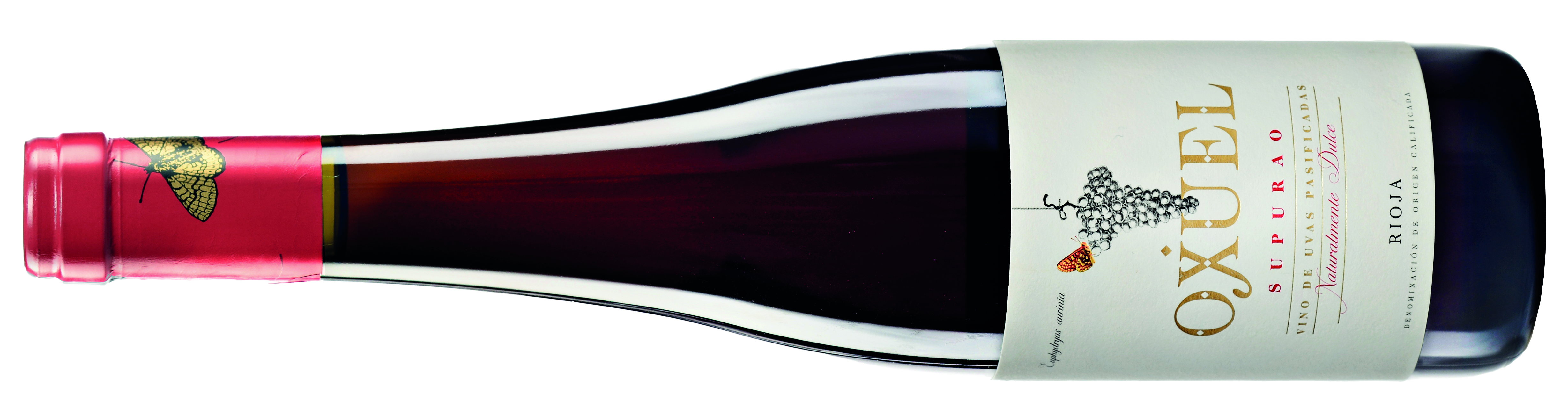
Martínez says that tasting supurao is ‘like drinking morning dew with the warmth of an August afternoon sun’.
Okay, he says, that’s pretty poetic – but it captures both the wine’s acidity-driven, energetic backbone and its sweetness.
Ojuel’s supurao has 150-180g/L of sugar, but its high level of acidity keeps it fresh and balanced, with no sense of being heavy or cloying.
‘That’s what surprises people most, especially those who think they don’t like sweet wines,’ says Martínez.
Flavour-wise, the wine offers notes of raisins, quince, raspberries and strawberry jam. ‘The balance and freshness are what make it special.’
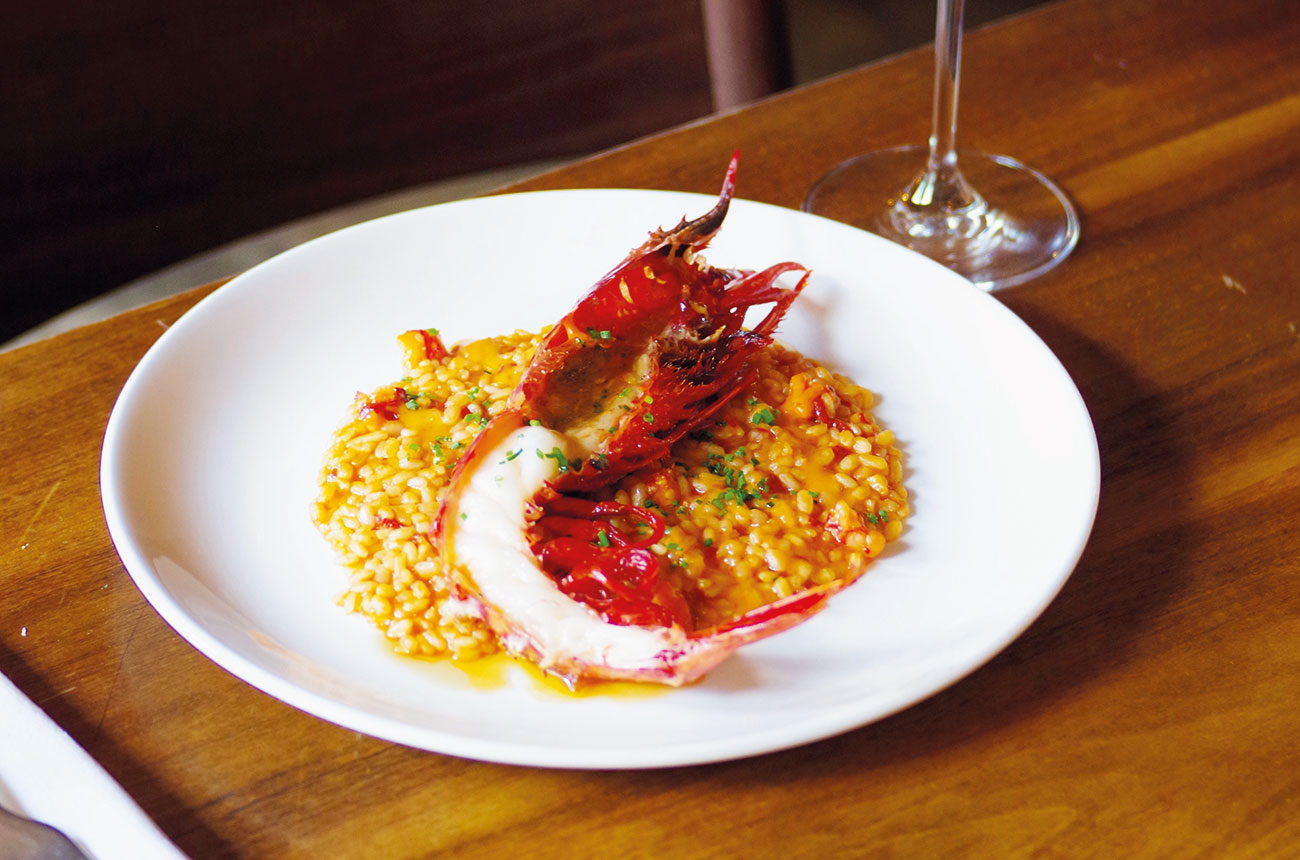
Chef José Pizarro picks seven brilliant food pairings for great-value Rioja wines
Rioja Report 2026: Five producers at the top of their game