

Close Menu
  • News
  • Stocks
  • Bonds
  • Commodities
  • Collectables
    • Art
    • Classic Cars
    • Whiskey
    • Wine
  • Trading
  • Alternative Investment
  • Markets
  • More
    • Economy
    • Money
    • Business
    • Personal Finance
    • Investing
    • Financial Planning
    • ETFs
    • Equities
    • Funds

Subscribe to Updates

Get the latest markets and assets news and updates directly to your inbox.

Trending Now

LA’s The Box Gallery to Close After 19 Years

April 25, 2026

How an Artist and Museum Conspired to Give a Delivery Worker What the Apps Won’t: PTO

April 25, 2026

Max Mara Will Stage Its Resort 2027 Show at Shanghai’s Long Museum West Bund

April 25, 2026
Facebook X (Twitter) Instagram
The Asset ObserverThe Asset Observer
Newsletter
LIVE MARKET DATA
  • News
  • Stocks
  • Bonds
  • Commodities
  • Collectables
    • Art
    • Classic Cars
    • Whiskey
    • Wine
  • Trading
  • Alternative Investment
  • Markets
  • More
    • Economy
    • Money
    • Business
    • Personal Finance
    • Investing
    • Financial Planning
    • ETFs
    • Equities
    • Funds
The Asset ObserverThe Asset Observer
Home»Art Market
Art Market

China Orders Nationwide Museum Audit After Missing Masterpieces Scandal

News RoomBy News RoomApril 1, 2026
Share
Facebook Twitter LinkedIn Pinterest Email

China has ordered a sweeping, nationwide audit of its state-run museums after a scandal at one of its top institutions revealed that national treasures had quietly slipped into the private market, according to Hong Kong newspaper South Morning China Post.

The directive, issued this week by the National Cultural Heritage Administration, requires every state-owned museum to conduct a physical, item-by-item inventory of its collections, checking each object against official records. The goal is simple: make sure what’s on paper actually exists in storage. 

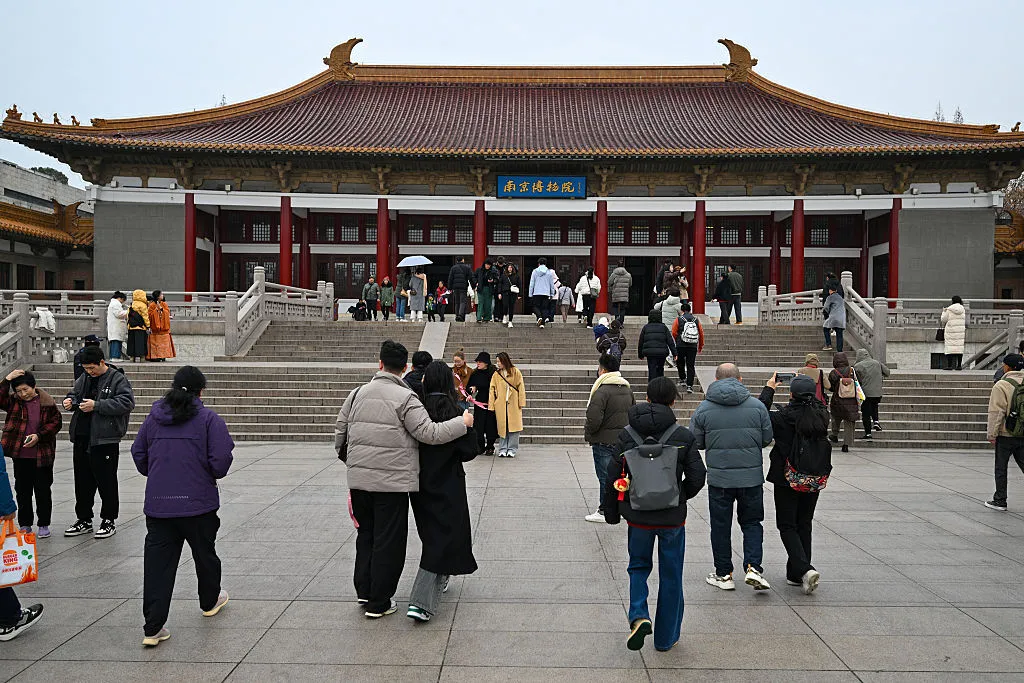
The move follows months of fallout from the Nanjing Museum, where investigators uncovered decades of mismanagement and alleged corruption involving donated artworks that were never meant to leave public hands. 

That work is one of a group of paintings donated in 1959 by the family of collector Pang Laichen. Intended for permanent institutional care, several of those works were instead transferred, sold, or simply lost over time. One of them, a Ming dynasty painting attributed to Qiu Ying, resurfaced at auction last year with an estimated value in the tens of millions, triggering outrage and a formal investigation. 

What followed was less a one-off scandal than a slow unspooling of how things actually worked. Authorities say museum officials approved improper transfers in the 1990s, while intermediaries manipulated prices and resold works into private hands. By the time the case came to light, at least one painting was still missing, others had changed hands multiple times, and more than two dozen officials faced punishment or investigation. 

The museum has since issued a public apology, admitting to “systemic problems” and a breach of trust with donors. Officials have since called for tighter controls, stricter oversight, and what they describe as a stronger “security defense line” around museum collections. 

The fallout could ripple beyond China’s institutions and into the market itself. Works with gaps in their ownership history, especially those that passed through state collections in the 1980s and ’90s, might face closer scrutiny from auction houses and collectors. What once read like a routine provenance report could start to look like a liability, particularly if more cases emerge of objects leaving museums through informal or outright illegal channels.

But the scale of the review hints at a deeper concern. This is not just about one museum in Nanjing. It is an acknowledgment that the system itself may be more fragile than advertised, with gaps in record-keeping, oversight, and accountability that allowed objects to disappear in plain sight.

For the state, the task now is not just to count what it owns, but to convince the public—and the market—that it knows where everything is.

Share. Facebook Twitter Pinterest LinkedIn Tumblr Email

Keep Reading

LA’s The Box Gallery to Close After 19 Years

How an Artist and Museum Conspired to Give a Delivery Worker What the Apps Won’t: PTO

Max Mara Will Stage Its Resort 2027 Show at Shanghai’s Long Museum West Bund

Gold Trove Linked to Famed Aegina Treasure Discovered on Greek Isle

Jimmy Tsutomu Mirikitani, a New Sort of Street Artist, Rises from Art History’s Margins

Why Contemporary Photographers Are Rejecting the Camera

Collector Julia Stoschek Closes Down Berlin Exhibition Venue After 10 Years In Favor of International Projects

Pittsburgh’s new $31m Arts Landing combines public art with civic engagement – The Art Newspaper

Massive Buddha sculpture by Tuan Andrew Nguyen opens on New York’s High Line Plinth.

Recent Posts
  • LA’s The Box Gallery to Close After 19 Years
  • How an Artist and Museum Conspired to Give a Delivery Worker What the Apps Won’t: PTO
  • Max Mara Will Stage Its Resort 2027 Show at Shanghai’s Long Museum West Bund
  • Gold Trove Linked to Famed Aegina Treasure Discovered on Greek Isle
  • Jimmy Tsutomu Mirikitani, a New Sort of Street Artist, Rises from Art History’s Margins

Subscribe to Newsletter

Get the latest markets and assets news and updates directly to your inbox.

Editors Picks

How an Artist and Museum Conspired to Give a Delivery Worker What the Apps Won’t: PTO

April 25, 2026

Max Mara Will Stage Its Resort 2027 Show at Shanghai’s Long Museum West Bund

April 25, 2026

Gold Trove Linked to Famed Aegina Treasure Discovered on Greek Isle

April 25, 2026

Jimmy Tsutomu Mirikitani, a New Sort of Street Artist, Rises from Art History’s Margins

April 25, 2026

Why Contemporary Photographers Are Rejecting the Camera

April 25, 2026
Facebook X (Twitter) Instagram
© 2026 The Asset Observer. All Rights Reserved.
  • Privacy Policy
  • Terms
  • Press Release
  • Advertise
  • Contact

Type above and press Enter to search. Press Esc to cancel.