


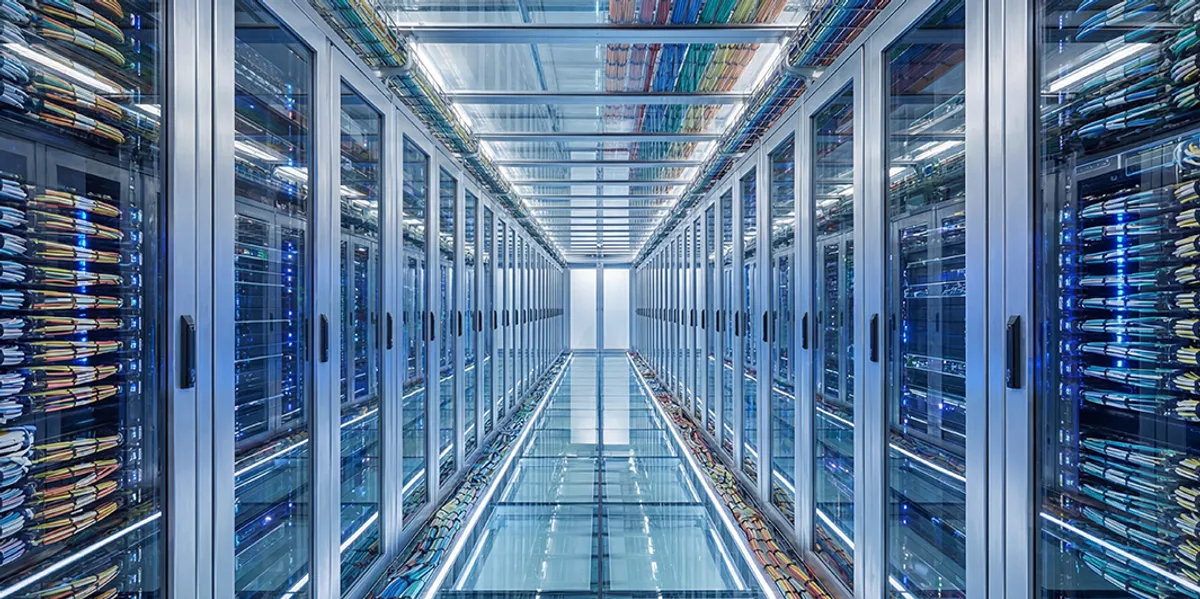
Data centers are electricity-dependent, and electricity requires copper.
Copper is known as the second best conductor of electricity among all metals, second to silver. It holds about 95 percent of silver’s conductivity, yet remains the popular option for electrical wiring given its proven effectiveness and affordability.
This characteristic makes it a metal to watch out for in the digital age, as the widespread use of artificial intelligence (AI) leads to increasing data center construction.
Companies like Star Copper (CSE:STCU,OTCQX:STCUF,FWB:SOP) are riding on this growing demand to further their resources, aiming to lessen the supply/demand gap as the metal finds its way to more sectors in the coming years.
The growing use of copper
Copper’s traditional applications in the electric industry range from small to large wires and cables, to circuit boards for modern electronics and heat management.
The brown metal exhibits natural resistance to corrosion and aggressive environmental conditions, making it an optimal choice even for outdoor electrical environments. Its ability to destroy bacteria has taken it to copper surfaces in healthcare spaces such as hospitals.
Recently, copper has been gaining popularity in the digital and AI space. While AI is an intangible asset, the physical facility that carries it is data centers. These infrastructures enable AI to deliver instant data collection, processing and storage through a multitude of computer servers linked by high-speed networks.
Of course, the computers run on electricity 24/7. Add to that the need to power data recovery, cybersecurity and thermal control.
How much copper do data centers need?
There are 12,110 data centers in the world, and while it could be assumed that’s already a load, the industry says it’s not enough.
If one were to cross check the current number of operational data centers versus the current global population, that would equate to a ratio of “one data center for approximately 690,000 people.”
Copper production is at 22.8 million to 22.9 million metric tons annually, according to global data platform MacroMicro. That could serve data centers and the AI sector in the coming years, but the reality is that the number of data centers continues to increase and that there are other sectors in need of copper.
Industry leaders project a continuous rise in copper demand from 2030 to 2050. S&P Global said that data centers alone could rise from today’s 5 percent to 14 percent of US electricity demand by 2030, and we are yet to see how the indirect impact of AI in terms of the electric infrastructure will play out.
There’s also the undeniable fact that AI applications continue to grow — from industrial to commercial, to creative and personal — and that this will lead to more cycles of copper demand.
Copper in the next two decades
In late September 2024, mining giant BHP (ASX:BHP,NYSE:BHP,LSE:BHP) forecast that annual copper demand could go over 50 million metric tons by 2050. The projected number was attributed to both traditional industries and newer sectors, with the energy transition and AI mentioned as significant drivers.
BHP outlined that copper use in data centers is expected to rise sixfold by 2050.
S&P Global evaluates a closer timeline in its report, projecting a copper surge from 28 million metric tons in 2025 to 42 million metric tons by 2040. The capital markets company tied this to the growing electricity demand as well, which is estimated to increase by 50 percent by 2040.
“Here, in short, is the quandary: copper is the enabler of electrification, but the accelerating pace of electrification is an increasing challenge for the metal,” S&P Global wrote.
Will copper supply be enough?
Analysts suggest that copper supply needs to increase by approximately 1 million metric tons per year to meet the expected demand of 60 million metric tons.
On a positive note, the International Copper Association says that despite the increasing demand, “there is more of the metal available today than at any other time in history.” It cites copper resources of 5,000 million metric tons, alongside current global reserves of 870 million metric tons.
Unlocking these reserves and building on the abundant potential of copper presents an opportunity for the mining and recycling sectors, particularly companies with massive project holdings.
Canada’s next big copper deposit
At least 115 percent more copper than has been mined in human history is needed to meet overall demand by 2050, positioning high-grade and large-scale projects such as Star Copper’s flagship project.
Called the Star project, the 6,829 hectare copper porphyry asset is a high-grade project within the prolific Golden Triangle and Golden Horseshoe regions of BC.
The project’s characteristics and strategic location in a premier jurisdiction align with the surging global demand for copper, especially as the world turns to significant mining projects targeting production in the next few years.
While the company has not disclosed an expected amount of production for the project, it believes that Star holds potential to evolve “beyond a single porphyry discovery into a significant copper-gold district within British Columbia’s Golden Triangle.” This places it as a key player in addressing domestic supply, then growing into a contributor in the overall demand for copper as it progresses.
Investor insight
The power of copper as a metal is clear, but the increasing demand in various sectors such as electricity and generative technology is at a supercharged pace. With this, investors looking to ride on the copper rise may find an answer in assets like Star Copper’s Star project. Its growing exploratory potential coupled with its beneficial location demonstrates strength to potentially lessen the weight of the next wave of copper demand.
This INNspired article is sponsored by Star Copper (CSE:STCU,OTCQX:STCUF,FWB:SOP). This INNspired article provides information which was sourced by the Investing News Network (INN) and approved by Star Copper in order to help investors learn more about the company. Star Copper is a client of INN. The company’s campaign fees pay for INN to create and update this INNspired article.
This INNspired article was written according to INN editorial standards to educate investors.
INN does not provide investment advice and the information on this profile should not be considered a recommendation to buy or sell any security. INN does not endorse or recommend the business, products, services or securities of any company profiled.
This INNspired article contains forward-looking information, including statements regarding planned activities, timelines, business objectives, and market conditions. Forward-looking information is based on assumptions and is subject to known and unknown risks and uncertainties that may cause actual results to differ materially from those anticipated. Readers should not place undue reliance on forward-looking information, which reflects the views of the profiled company as of the date of this profile and is not updated by INN.
The information contained here is for information purposes only and is not to be construed as an offer or solicitation for the sale or purchase of securities. Readers should conduct their own research for all information publicly available concerning the company. Prior to making any investment decision, it is recommended that readers consult directly with Star Copper and seek advice from a qualified investment advisor.
Read the full article here
