Just a matter of weeks after the fall of the Berlin Wall, heralding the end of division in Europe, the Cold War and (soon after) the USSR, almost exactly 1,000 miles south-west, the Bordelais saw the conclusion of one of the greatest decades in their vinous history.
With perhaps two exceptions (1984 & 1987) the 1980s was a transformative period in the region both economically and qualitatively after the various shades of brown that the preceding decade yielded.
Things were looking up for the world’s most aristocratic wine region, and it started with a bang…
1990
Many would argue that 1990 is a contender for the greatest global vintage in recent history, showing outstanding uniform quality in most regions around the world.
Bordeaux was no exception. This generally warm vintage has produced wines that are often voluptuous and decadent, a trait that we would not see again for a number of years.
The vintage is littered with stars on both banks and perhaps even more so in Sauternes.
Now 36 years-old the very best wines are hitting their peak but be warned that lower end examples may have succumbed to flamboyance and lack the structure of some other great vintages.
The finest wines are effortless: Château Margaux, Montrose, Léoville Las Cases, and Lynch-Bages to name but a few on the left bank.
Cheval Blanc, Petrus and Clinet all flirt with perfection on the right bank, as does La Mission Haut Brion in Graves.
There are dozens more world beating wines, but notable misses too. Latour is variable, but on its day one of the finest ever produced, while Mouton Rothschild and Pichon Comtesse both somehow miss the magic of so many of their neighbours.
Generally speaking I would happily buy well stored class growth claret across the board and expect to find a beautiful expression of plump, mature claret within.
1991
Now, dear reader, 1991 is a vintage where my opinion may differ from many of my esteemed colleagues.
My justification for the perceived quality of this wildly overlooked vintage is based upon dozens of bottles in recent years and an almost obsessive desire to vindicate my theory that, in this frost plagued vintage, those closest to the river fared best.
There is no denying that the right bank was not a success, with some châteaux opting not to produce a Grand Vin, but many of those in the Médoc that could afford to crop their yields produced good wines.
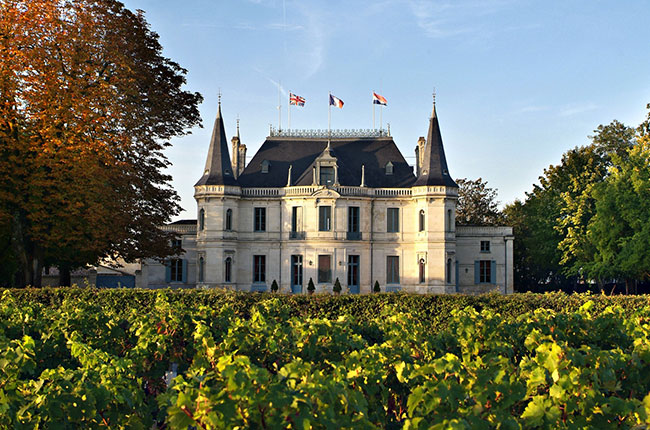
Palmer is the wine of the vintage, and even comparable to their legendary 1990, while neighbours Pichon Comtesse and Latour come a close second.
I would not suggest you research 1991 as extensively as I have, but if the vintage is of significance, then do try well cellared left bank wines from the most familiar names.
1992
Unlike 1991, I do not have such positive news for anyone who holds 1992 dear.
Generally the wines are well past their best, but passable bottles of Clinet (a wine I loved a decade ago), Gruaud Larose and La Mission Haut-Brion have piqued interest in recent years but perhaps not offered much on the hedonistic spectrum.
However, dry whites were largely a success with Laville Haut-Brion offering a genuinely outstanding effort even three decades on.
1993
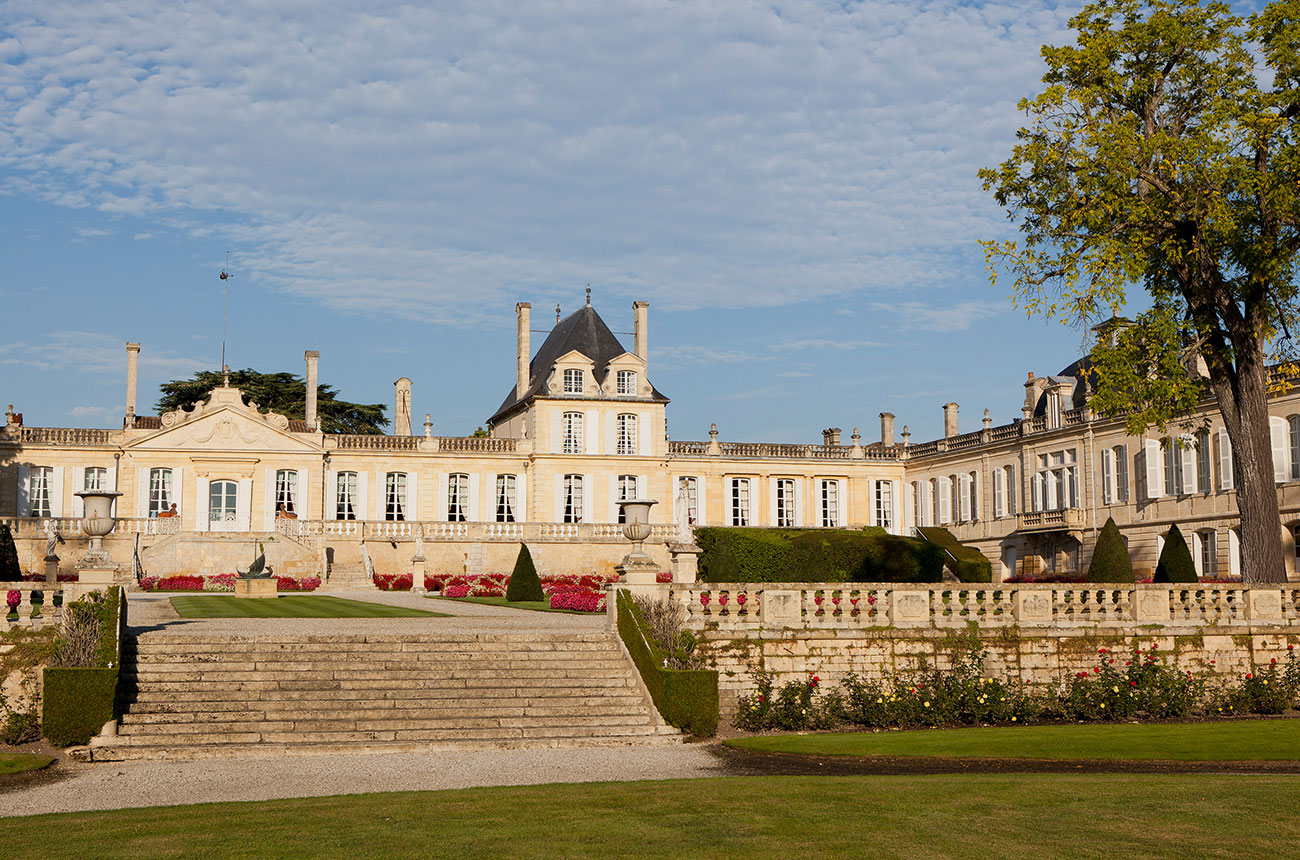
More of the same sadly as the dearth of quality continues, even if 1993 is stylistically different, often hard, dry and tannic.
A recent bottle of Clinet, drunk at the château, was delicious as the plump nature of this great Pomerol overcame the tannins of the vintage.
Gruaud Larose and Beychevelle are wines I have enjoyed over the years, similarly Lafleur on the right bank.
But don’t go out of your way!
1994
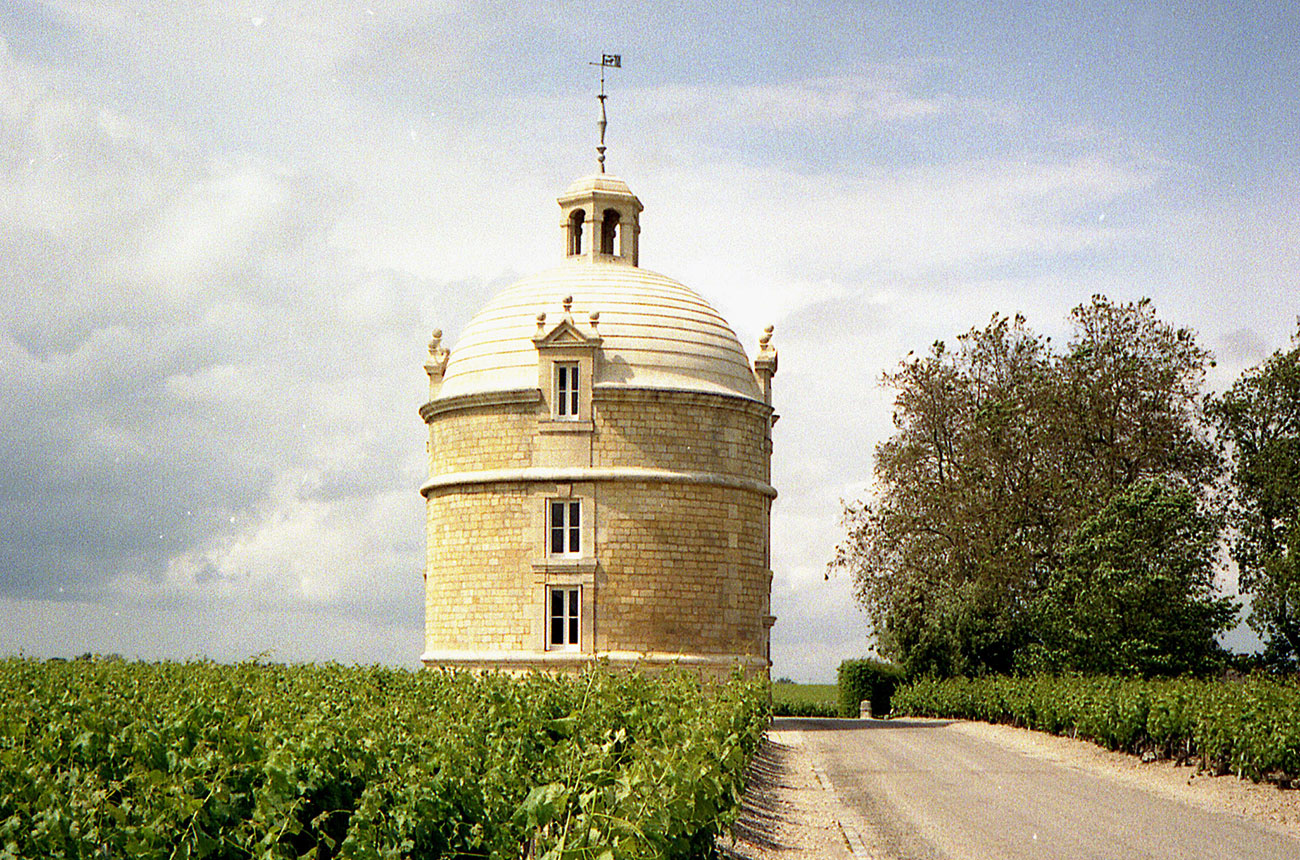
There was an initial feeling that 1994 might have been the saviour of the region after a string of troublesome harvests.
The quality was undeniably better, but not close to what was about to follow. Latour is the wine of the vintage, closely followed by neighbour Pichon Comtesse.
At the more affordable end, half a dozen recent bottles of Branaire-Ducru have been delicious, if drying out a little.
The wines here feel more classic than either 1992 or the austere 1993s. If it’s a milestone year for you then I would suggest sticking to the Médoc for best results.
1995
Finally, Bordeaux waits no more! For decades to come Bordeaux lovers will argue the various merits of 1995 v 1996, but what the former has in its corner is a much stronger showing on the right bank.
I’ve always found the vintage slightly foursquare compared to its successor but the quality is undeniable and uniform.
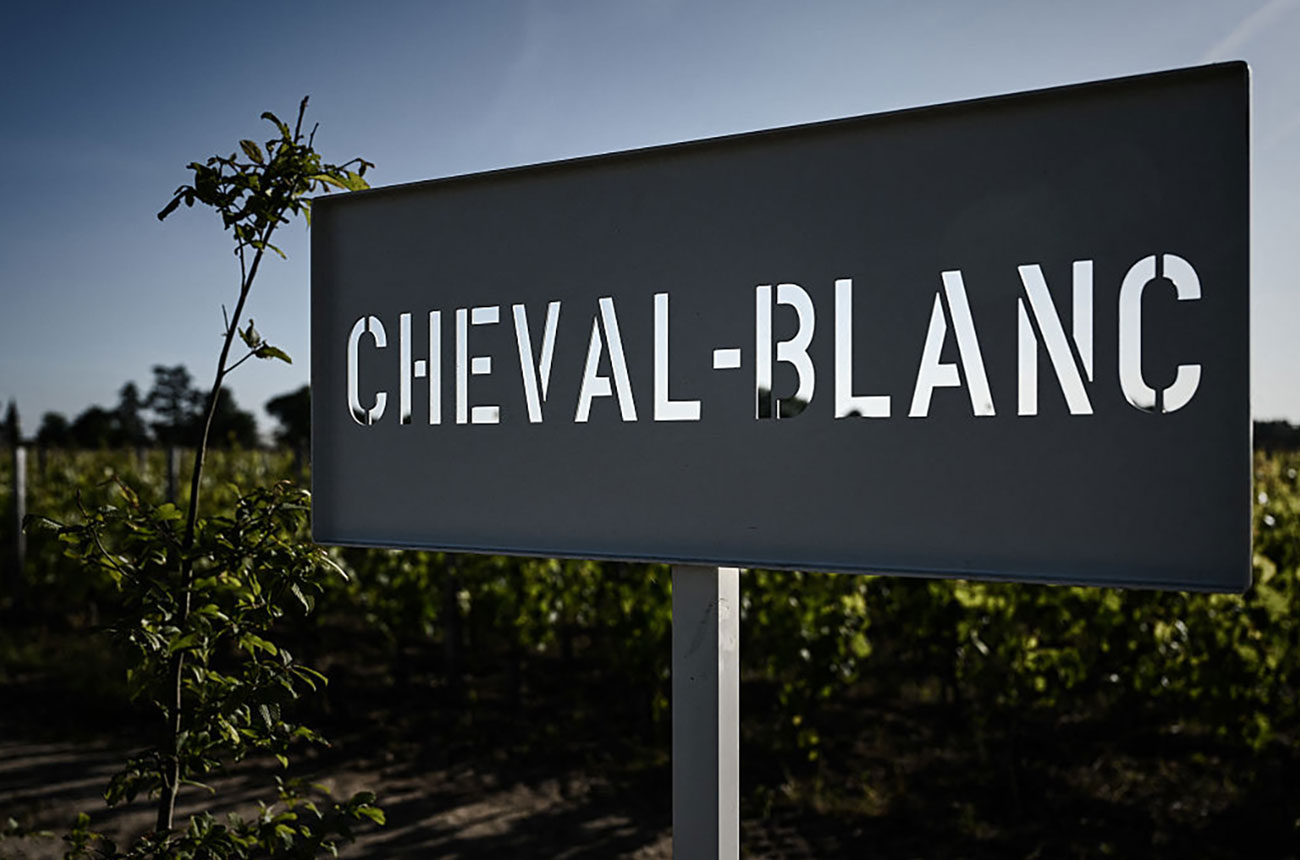
On the right bank both Lafleur and Cheval Blanc are sensational.
Similarly on the left bank, not many people missed the mark, so perhaps it is more useful to mention the wines that I favour in 1995 to the more fleshy 1996s that followed: Pichon Baron, Léoville Barton, Haut-Brion and La Mission Haut-Brion to name four.
This is a vintage to buy with confidence, on both banks, relying on the fact that the structure here supports beautifully balanced wines that are just hitting their prime.
1996
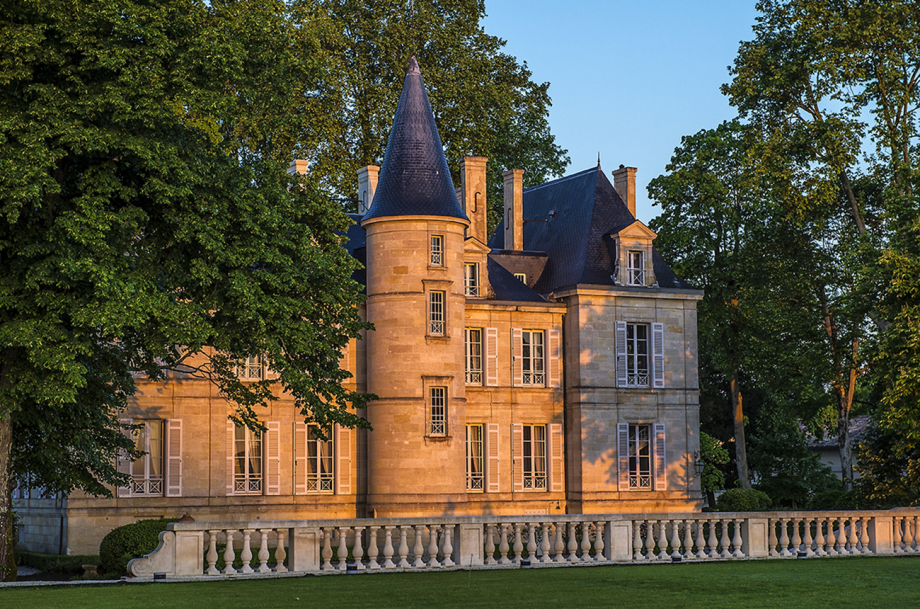
Is this the vintage of the decade? For the left bank, probably. The wines from the Médoc are generous but reserved, structured but also ethereal.
A genuinely glorious vintage for almost everyone on the left bank. If I am splitting hairs, Pauillac performed best, with Latour, Lafite Rothschild and Pichon Comtesse all contenders for wine of the decade.
Lynch-Bages, Grand Puy Lacoste and Batailley are crafted from the same mould without the price tag.
Outside Pauillac, Léoville Las Cases and Margaux are also potentially perfect wines.
Almost everything west of the Gironde is worth seeking out.
The right bank is more patchy, so my recommendation would be to opt for 1998.
1997
Thought to be one of the weaker vintages of the decade, 1997 is (however) superior to 1992, 1993 and 1994.
The vintage is much lighter than those that surround it, which has given drinkers pleasure over that last few decades, in a way that other years have not.
There is no excess structure or greenness as you find in the early half of the 1990s. Just elegant, balanced, drinkable Bordeaux that would have, at one time, been labelled ‘luncheon claret’.
Recent bottles of Potensac, Meyney, La Conseillante and Gazin have all been delicious. Not more or less, just simply delicious.
Sauternes, however, is sensational. Those with a connection to 1997 may find some bargains as the wines have remained fairly priced.
A vintage that grows in my affection as I age and understand its place among its far more lauded siblings.
1998
If 1996 is THE left bank year, then 1998 is THE right bank year. The year Merlot turned to gold.
There are more successes on the left bank in 1998 than on the right bank in 1996, most notably a sensational bottle of Palmer knocked 1989 off the table, but St-Emilion and Pomerol displayed an embarrassment of riches.
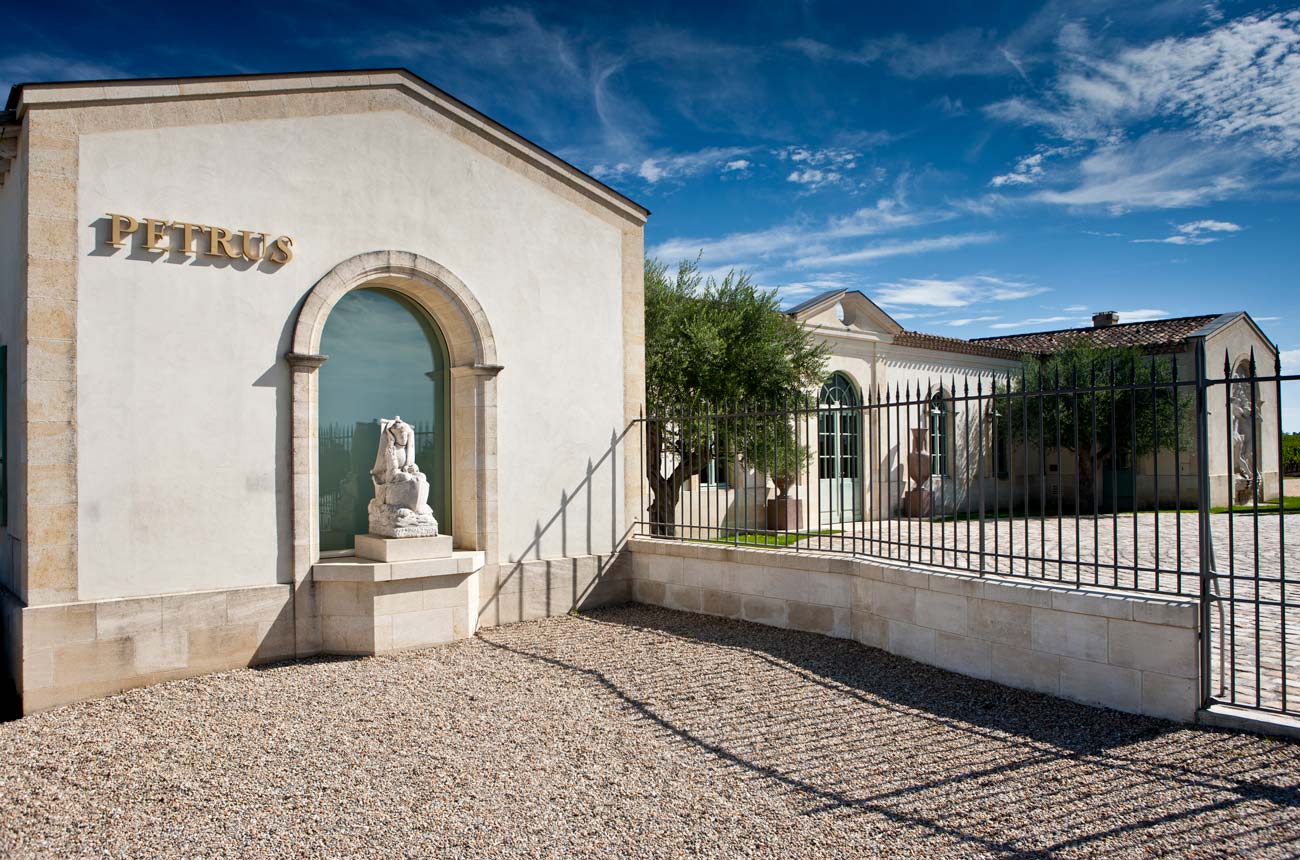
It is little surprise that Petrus and Cheval Blanc both crafted wines that could last a century as well as La Mission Haut-Brion and Haut-Brion in Pessac.
The one word of caution I would add is, in this ‘peak Parker’ era, some estates were unnecessarily exuberant with their extraction.
Most wines here, on both banks, are still approaching full maturity.
1999
A curious and almost anonymous vintage to round off the century. Overshadowed by what was to come, I feel little affection for 1999, and the wines somewhat generic.
Perhaps because the top wines are some way off full maturity, but the first growths are all solid, if unexciting.
Gruaud Larose has always been nice as have dozens of other châteaux that produced very good examples on both left and right.
That said, an honourable mention should go to the often forgotten Tertre-Roteboeuf which produced a sensational wine to round off the decade.
The best is yet to come…?
It is fair to say that, next to the consistency of the 1980s, the 1990s was a more variable decade to end the millennium, but what was to come next might just be the greatest of them all…
Bordeaux vintages of the 1990s
Bordeaux 1980s: Vintage guides plus the wines to seek out
Bordeaux 2005: 23 top wines tasted two decades on