As in love, certain wines come into your life by chance. My affair with Jurançon began literally as far from its Pyrenean home as possible.
Browsing the shelves of Moore Wilson’s, the iconic grocery store in Wellington, New Zealand, I came across a bottle labelled Petit Manseng, from the Marlborough grower Forrest.
It sounded vaguely Chinese, possibly a miniature horse breed, though it is in fact one of Jurançon’s two principal grapes.
I took it home, where the off-dry little Manseng made a big splash: lush yet electric, exuberant yet poised – a tropical beach party in a wine glass. Yet each time I returned, the bottle was gone, and life beat on.
We were reunited years later in Paris, thanks to an astute sommelier at Macéo restaurant, who pointed me to a Jurançon Sec from Domaine Bellegarde.
Though the appellation is traditionally associated with sweet wines, this was a dry expression of striking tension and lift.
In the foothills of the Pyrenees
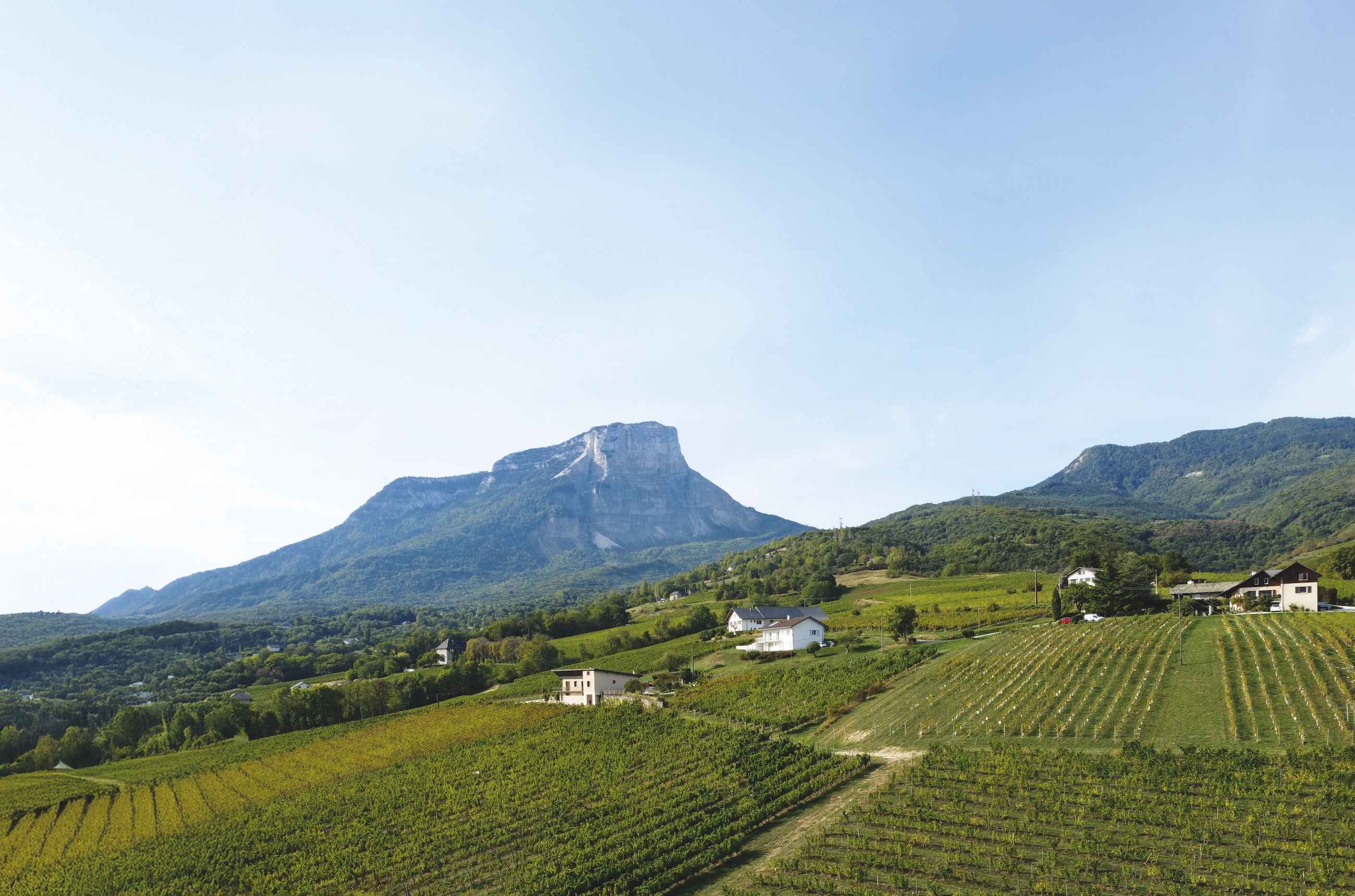
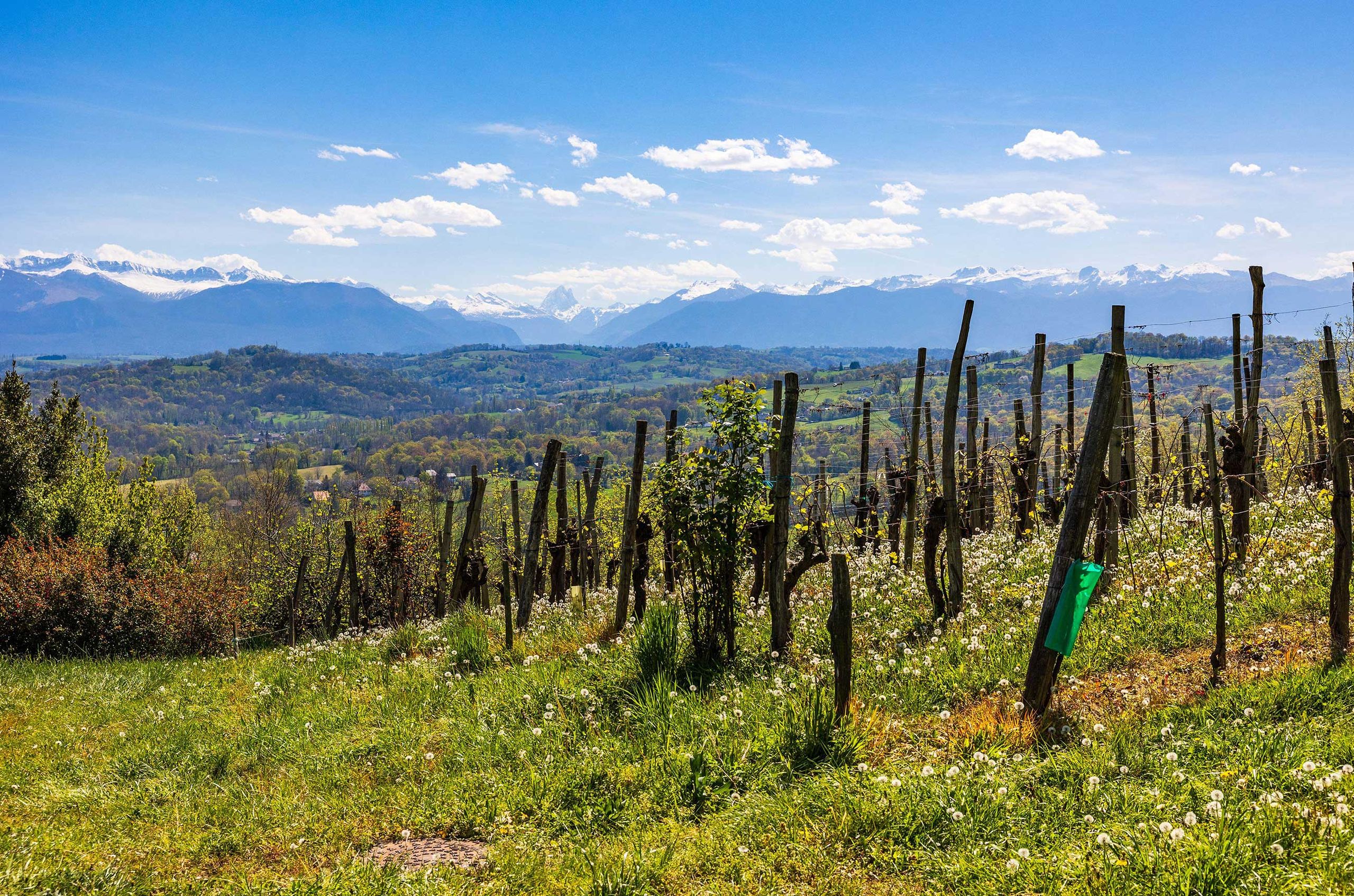
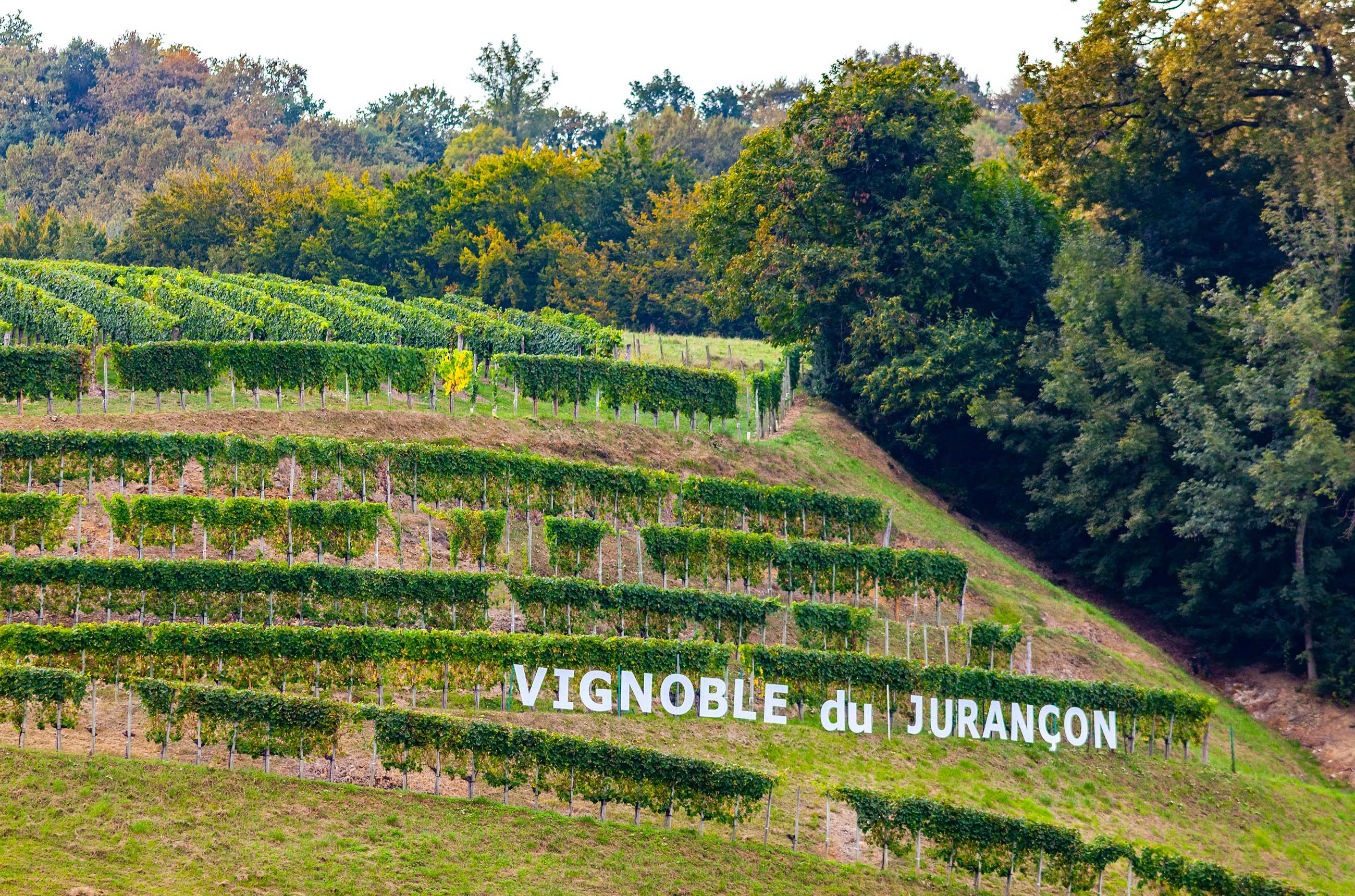
Spread across the verdant foothills of the Pyrenees southwest of Pau, Jurançon’s vineyards climb in south-facing amphitheatres, framed by the Pic du Midi d’Ossau.
The appellation divides into three distinct zones: Chapelle de Rousse, to the northeast, where vines root into poudingue – a cement-like soil of chalk and river-worn pebbles; Monein, to the west, on more varied, molasse-dominant soils and now the most widely planted; and Lasseube, in the south, smaller and sandier.
Situated in the lee of the Pyrenees, the mountains shield the vines from harsher continental extremes, while the Atlantic keeps the growing season temperate – together preserving the acidity and aromatic intensity that define these wines.
Winemaking in Jurançon dates back to Roman antiquity and by the 14th century the Parliament of Navarre had classified its best sites – one of France’s earliest examples of vineyard classification.
Legend holds that the infant Henri IV had his lips touched with a drop of Jurançon at his 1553 baptism, by which time it had become a wine of court ritual.
Colette, 19th century French writer, actress and journalist, would later call it ‘a prince – warm, imperious and insidious, like all great seducers’.
Sweet to dry
For most of its history, Jurançon was synonymous with sweet wine. The appellation was classified for its moelleux (sweet) style in 1936 – among France’s earliest APs – while the dry expression was not recognised until 1975.
Since then, momentum has shifted toward the dry style, in line with a broader retreat from dessert wines.
Petit Manseng – the very grape that started all this – excels across the entire spectrum. Small and thick-skinned, it is defined by acid and concentration, which only intensifies through foehn-fanned passerillage (drying on the vine).
The traditional engine of sweet Jurançon, in dry form it delivers density, minerality and ageworthy grip, often developing truffled notes over time.
Its offspring, Gros Manseng, is the workhorse: larger-berried, less concentrated and more reliably ripe, generous and fruit-forward.
Supporting local varieties such as Camaralet, Lauzet and Courbu round out some blends, adding spice, aromatic lift and finesse, with Camaralet especially prized in dry wines for its peppery, cinnamon accent.
Three delectable styles
Like its three distinct zones, three styles express a striking range.
Jurançon Sec, often led by Gros Manseng, can be broad in texture yet focused by Petit Manseng’s vivid acidity, with flavours ranging from citrus and stone fruits to pineapple and quince, sometimes picking up a smoky or savoury edge over time.
Sweet Jurançon, the appellation’s historic heart, layers ripe mango, candied citrus, apricot and spice over a structure that keeps richness in check.
Vendanges Tardives (late harvest wines) are almost impossibly concentrated, unctuous yet vibrant thanks to the tensile acidity that is Jurançon’s signature.
Across all three styles, what lingers is not simply opulence or freshness but a radiant tension, like an autumn sun rising over cool Pyrenean hillsides.
The future is bright
‘What has always fascinated me about the Mansengs is their ability to reconcile power and freshness,’ says Antoine Arraou of the biodynamic Château Lafitte, one of Jurançon’s standout estates.
‘Few grape varieties are capable of reaching such high levels of ripeness while retaining such acidic energy.’
He is among the growers expanding Jurançon’s stylistic range and sharpening its contemporary identity.
‘Many astute observers have said this is the next Jura,’ says Arraou.
Having heard the same comparison applied to other up-and-coming appellations, such as Savoie and Bugey, I ask him to explain.
‘A hilly vineyard, a cool climate, distinctive grape varieties, geological diversity, limited volumes and wines with strong personalities – the reasons that drew wine lovers to the Jura also exist here.’
Yet while Jura’s cult success has pushed its prices steadily upward, Jurançon still offers striking value. At the cellar door, most Jurançon Sec sells for €12-€20; a smaller tier of ambitious cuvées runs closer to €30, with rare bottles climbing to €50-€70.
For readers who love the tension of Loire Chenin Blanc or the structure of serious dry Alsace, Jurançon Sec offers a compelling alternative: distinctive, long-lived and affordable.
As in love, what begins in contingency ends in necessity. Jurançon, for my money, deserves a seat at the table of noble white wines.
Whether you seek it out or stumble upon it by chance, taste and see if you do not fall for this great seducer, the little prince of the Pyrenees.
Six Jurançon wines to get you hooked
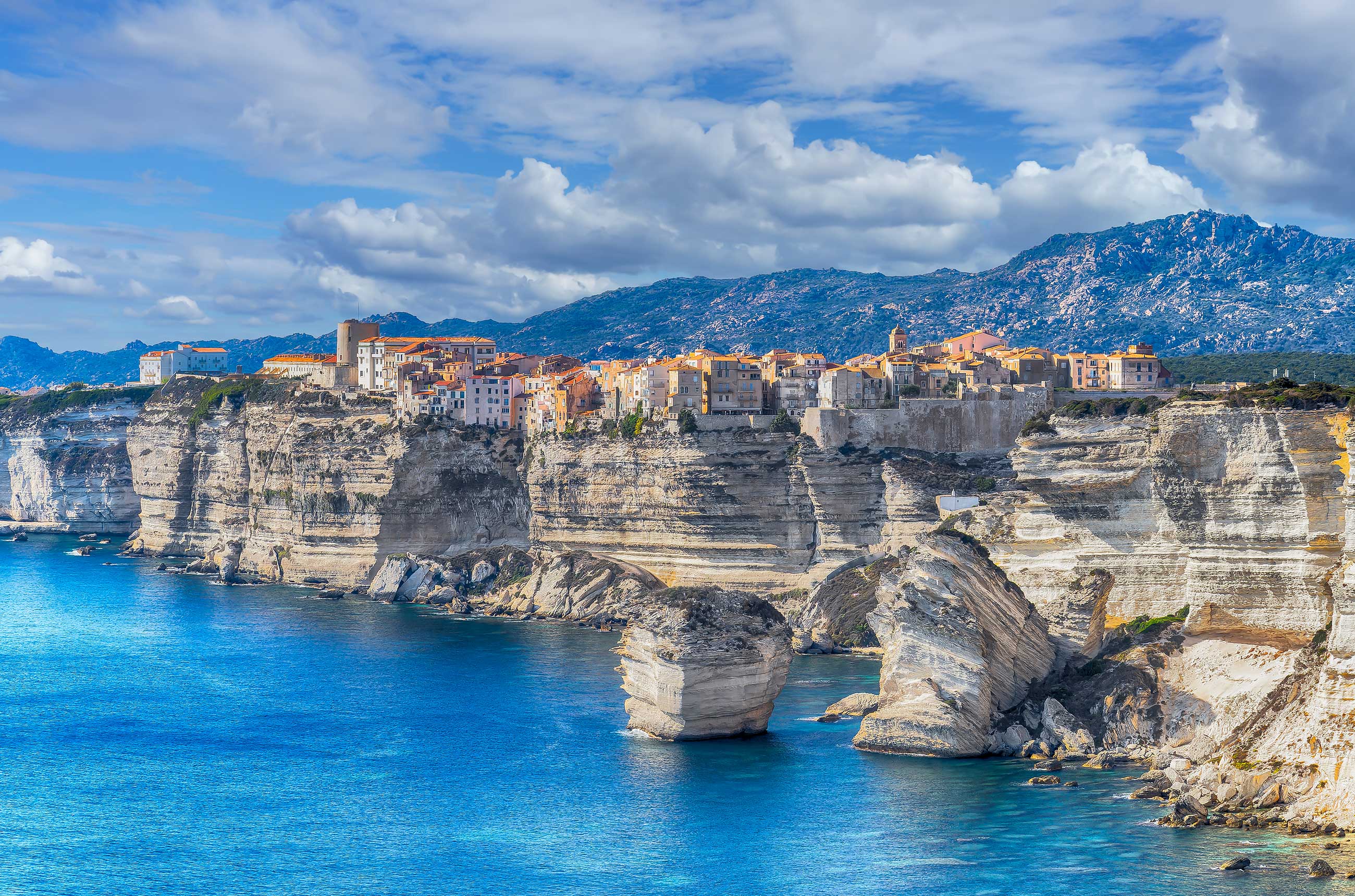
Corsica’s wild edge: The elemental wines of the island’s far south
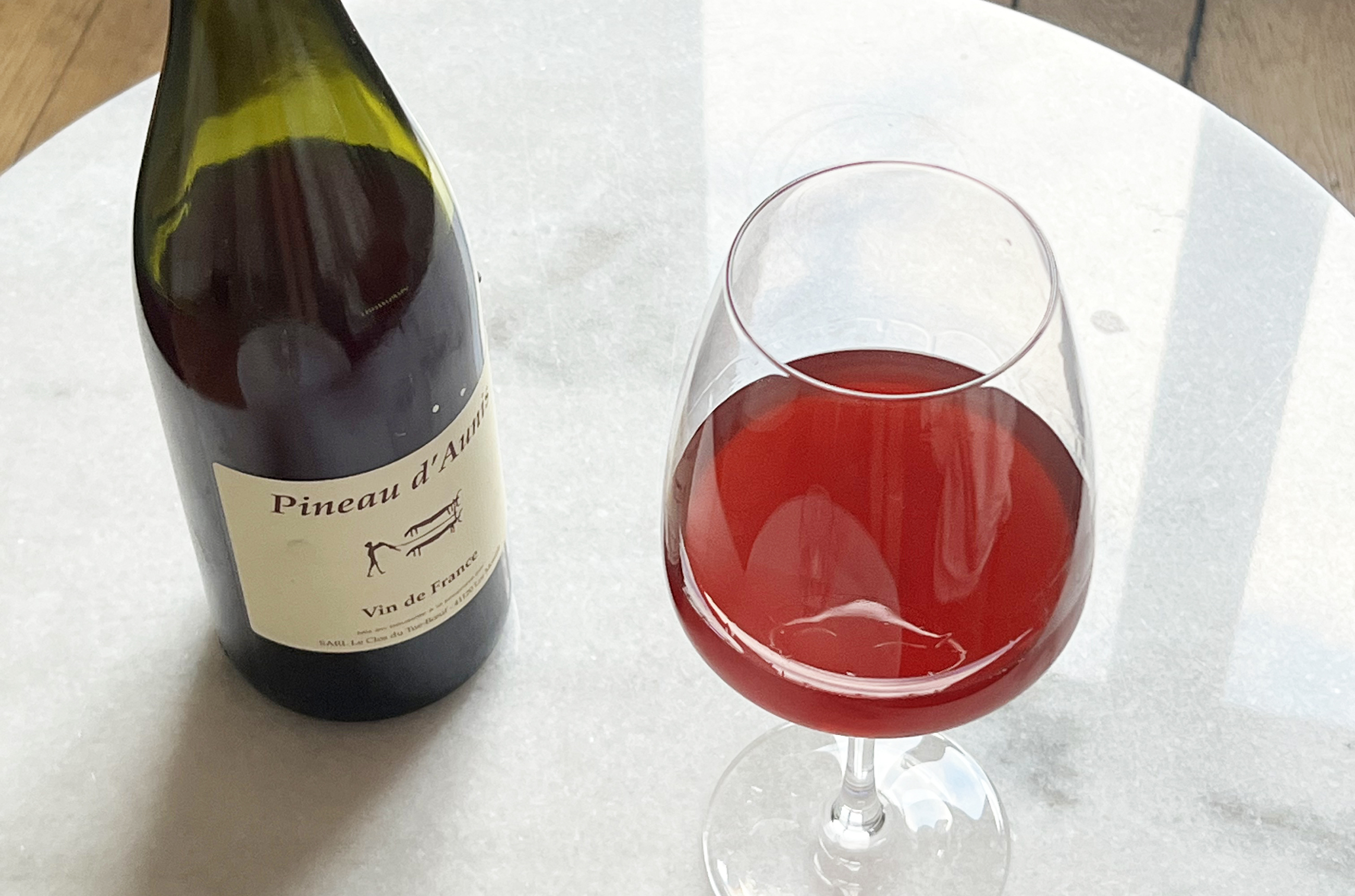
Six wines to make you fall in love with the Loire Valley’s rarest grape – Pineau d’Aunis