





The 2009 Bordeaux vintage has lost none of its power to charm and captivate.
A recent tasting in Atlanta showed that most of these wines are still in their first blush of youth, and the best will live for decades.
The intervening years have only confirmed what we suspected even on release – this is among the epochal vintages from Bordeaux.
It represents a turning point in the wines of Bordeaux in so many ways – the warming climate, the changing styles, the fashion for the wines – yet 2009 stands alone.
The chance to revisit these wines was exciting for all the tasters. Michael Davis, principal at Hart Davis Hart auction house in the US, expressed it best when he said that for him 2009 was ‘joyful and expressive’.
The alluring 2009 style
There were several top-flight vintages in the first decade of the new century, beginning with superb millennial vintage, the almost unbearably hot 2003 that delivered sybaritic delights; the monumental 2005, still tannic and not yet ready to drink, with the charming 2006 and 2008 just behind.
There are many wine lovers, however, who would argue that the finest vintage of the decade was 2009. The wines are voluptuous, accessible, and hedonistic, yet structured enough to last.
It occurred to me while tasting through these two dozen wines that 2009 resembles the wines from 1982, and I began to think of 2009 as an updated version of 1982 – almost a ‘1982.2’.
The wines in general are substantial and have abundant extract; lots of tannin yet no astringency; enough acidity to give definition but not so much as to make them hard or unyielding; and a sweet, ripe character to the fruit with no sense of it being baked or over-ripe.
The secret to the seductive nature of the fruit in 2009 is that the vines never shut down during the growing season, as they do in the face of excessive heat or drought.
There was just enough water in July and August to keep the vines ripening the fruit throughout the season, and while there were hot days (and plenty of sunshine), the grapes did not suffer the excessive heat spikes that they saw in 2000 or 2003.
The weather behind the magic
The year got off to an appropriate start with a cold, wet winter that plunged the vines into dormancy, refilled the water table, ensuring that budbreak didn’t start too early.
There was no hint of spring frost, and although there was a hail storm on 11 May, it did not damage the best vines.
Flowering happened early and finished quickly, setting a large crop on the vines. Crucially, the growing season was hot and sunny, but not so much as to interrupt the grapes gentle ripening.
The region saw moderate rainfall on 18, 19, and 20 September, but there was no further rain until the harvest was complete.
The key to success was to wait until after the rain to pick the Merlot, and to wait until the Cabernet was fully ripe, beginning in mid-October.
Because of the gentle nature of the growing season, the vines ripened to levels not often seen in Bordeaux – mostly over 14% on the Left Bank and up to (and sometimes beyond) 15% on the Right Bank.
If picked at the right time, both Cabernet and Merlot were successful.
Because of the lush, forward character these conditions delivered, these powerful wines are beginning to open up now.
While it is not too early to pull some corks, the best of these wines should continue to improve for decades to come.
From boom to bargain: The market context
When the 2009 vintage came to market, the world was in love with Bordeaux wine. Demand was booming in Asia, and the 2008 financial crisis was disappearing in the rear window.
With consumers in the UK, US, and Hong Kong all avidly chasing top Bordeaux wines, the 2009 primeurs offers were optimistic, and prices seemed dear indeed.
In the intervening 15 years since this primeurs campaign, however, much has changed – Bordeaux wines have lost some of their shine, the global wine market is depressed, and producers are sitting on significant stocks.
As a consequence, prices for these sumptuous wines have not increased greatly, and are, in some cases, lower today than they were upon release.
For a buyer looking for immediate pleasure, long-term cellaring potential, and perhaps smart appreciation, the 2009 vintage represents a wonderful opportunity.
Standout performers
Among the delights of the tasting were second growths that were drinking like firsts, particularly Léoville-Las Cases, Léoville-Poyferré, Pichon-Baron and Gruaud-Larose (as well as perennial overachieving fifth growth Pontet-Canet).
There were also strong performances further down the price ladder like Poujeaux and Malescot-Saint-Exupéry.
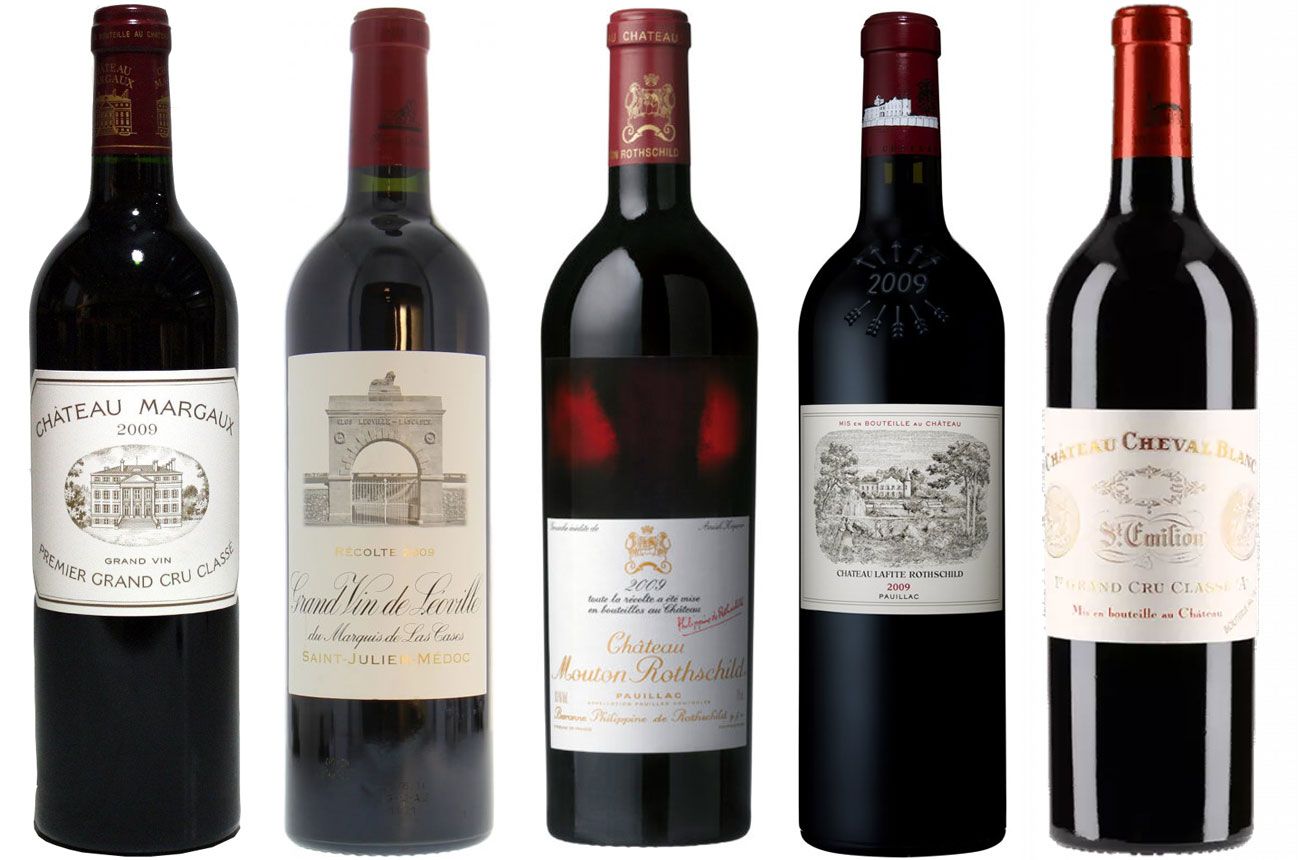
Although were some disappointments – I felt that both Lynch-Bages and Pavie should have done better given the conditions – the best wines of the vintage are classics that will long outlive most of us, particularly Margaux and Lafite, with Cheval, Mouton, and La Mission Haut-Brion not far behind.
Bordeaux 2009: 24 top wines from this epochal vintage
Château Batailley: A pillar of value in Pauillac

‘I forgot how delicious mature Bordeaux is’: 22 bottle-aged wines to drink now