


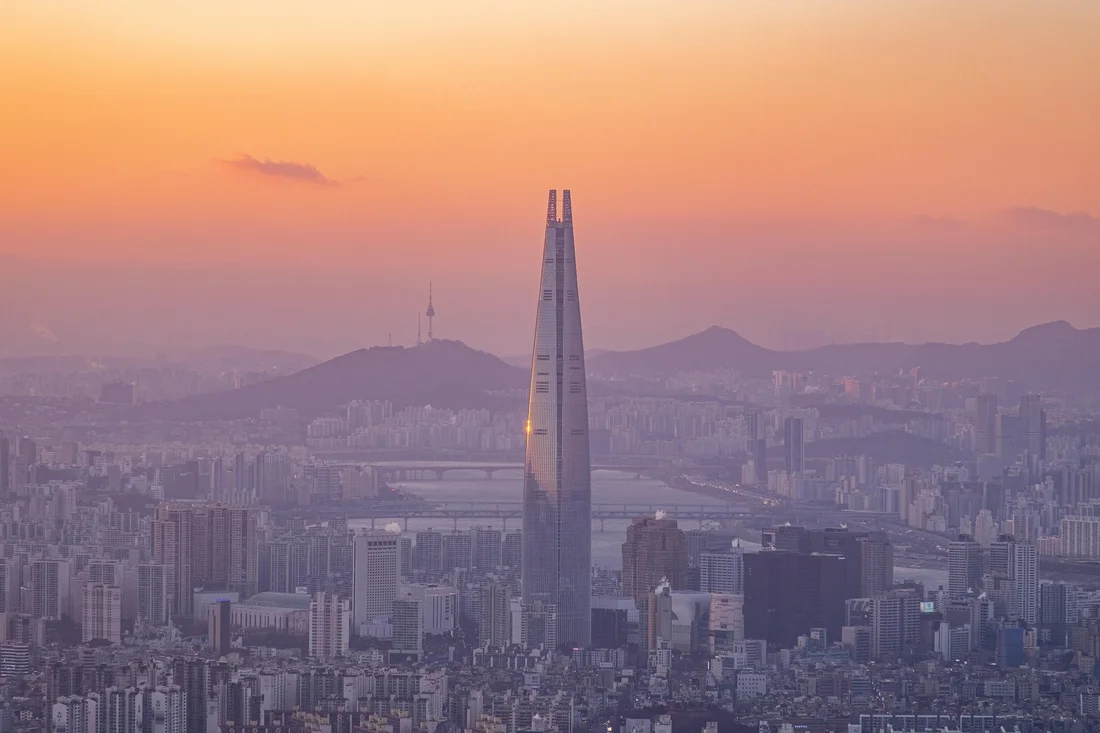
Ask any Seoullite, and they’ll tell you the city is unrecognizable from five years ago. South Korea’s cultural and creative output—music, film, TV, art—has moved from regional strength to global fixture, and Seoul’s art scene has moved with it.
The 2022 arrival of Frieze Seoul catalyzed a wave of overseas galleries opening branches in the city, and the influx has drawn foreign collectors deeper into the local scene and toward younger Korean artists working across a widening range of disciplines and media.
“For collectors, some of the deepest rewards lie here: not only in recognizing what has already been established, but in encountering a practice before it settles into consensus,” says Hyeyoung Cho, curator of Frieze Seoul’s new Material Practices section.
The Dansaekhwa and Mono-ha masters of the 20th century still anchor the historical picture, but for the first time, the story of Korean contemporary art is being written in real time, in Seoul, and for a global audience that’s paying attention.
The key neighborhoods for art lovers in Seoul
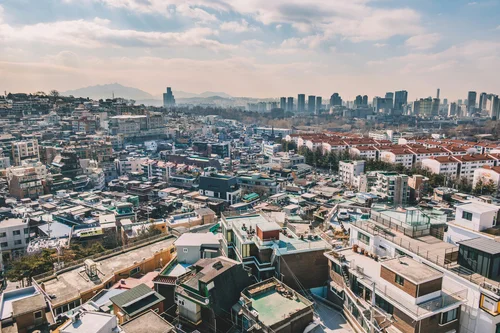
Seoul’s art scene sprawls from Jongno at the historic center, with distinct clusters in Samcheong and Seongbuk to the north, Hannam to the south along the Han River, and pockets pushing outward into Mapo.
Samcheong
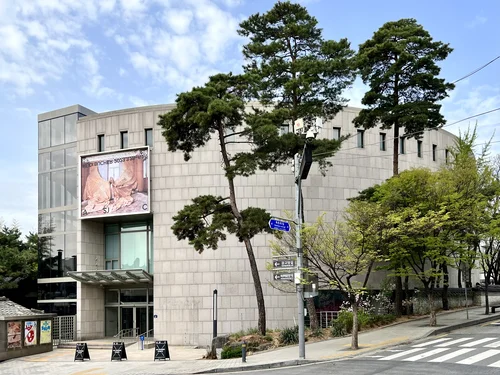
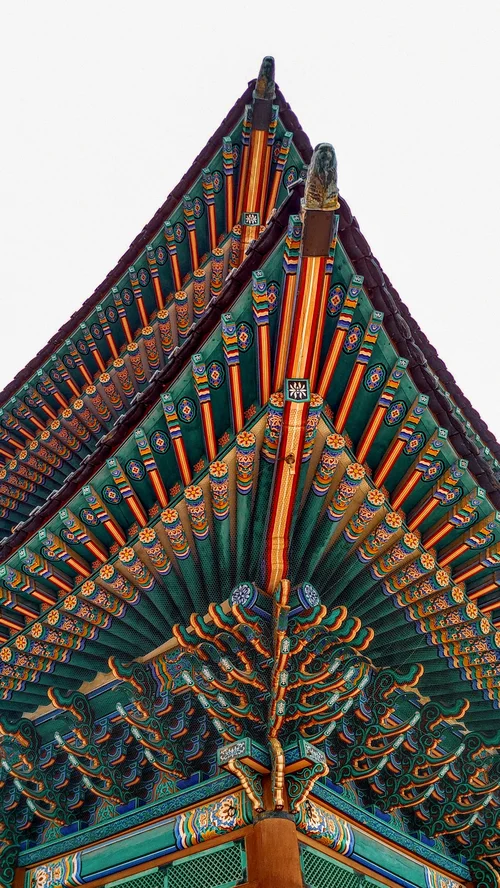
On the right side of Gyeongbokgung—the royal palace of the Joseon Dynasty—Samcheong’s streets are lined with hanok-style walls and kiwa roofs. Fashion designer Jaden Cho, who works in the area, says the walk from Seochon through Gyeongbokgung to Samcheong represents “Seoul’s past and present.” That’s true of its art scene too: Veteran galleries have shaped the Korean canon here since the 1970s and ’80s.
- Hakgojae, Kukje Gallery, and Gallery Hyundai—the neighborhood’s mainstays—helped make the likes of Lee Jung Seob, Nam June Paik, Lee Ufan, Kim Whanki, and Ha Chong-hyun the modern masters they are today. Other galleries in the area include PKM and Baik Art.
- WWNN, one of the most talked-about younger galleries, adds vibrancy to the mix.
- Art Sonje Center focuses on multimedia, performance, and installation work; its collection includes works by Lee Bul, Woo Hannah, and Koo Jeong A.
- Down toward the Cheonggye stream, Ilmin Museum of Art is led by innovative, interdisciplinary curatorial choices that rarely miss the cultural moment.
Seongbuk
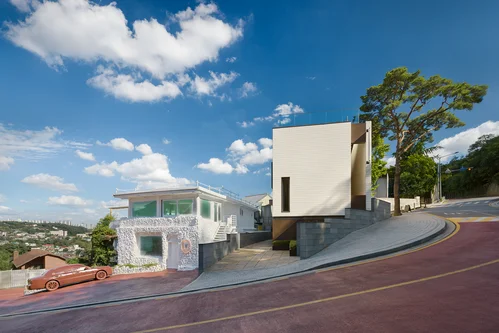
With Bukhan and Bugak Mountains as its backdrop and several foreign embassies scattered around it, Seongbuk rose in the late 20th century as one of Seoul’s most affluent areas with grand detached houses on winding streets (remember that scene in Parasite?). Its quiet character and proximity to Daehakro, historically a theater and performance-arts hub, drew artists to live and work there.
- Wooson Gallery boasts an influential cluster of collectors from Daegu in the country’s southeast; local tastemaker Jason Haam sits nearby.
- A 10-minute taxi brings you to A-Lounge Contemporary, the Whanki Museum, and Primary Practice on the other side of the mountain.
Expect a mix of Korean and international contemporaries in impressive gallery spaces. The hills are steep, so taxis are essential once you’re up there.
Hannam
Beyond
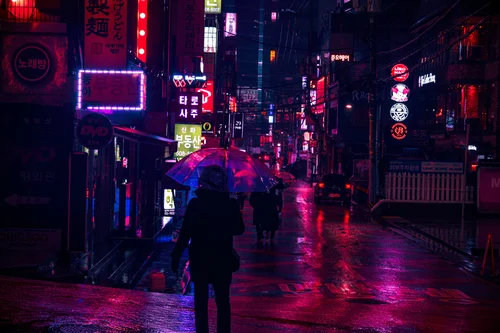
If you want something rougher around the edges, head to Euljiro, the industrial high street (printing shops, steel merchants) where lower rents have made it a breeding ground for experimental galleries like N/A.
West of the city, the Mapo district contains hip pockets such as Mangwon, Sangsu, and Yeonhui. And in Gangnam, the city’s upscale district is home to galleries including White Cube, Perrotin, Opera Gallery, Tang Contemporary Art, Roy Gallery, and G Gallery.
The key museums and institutions to know in Seoul
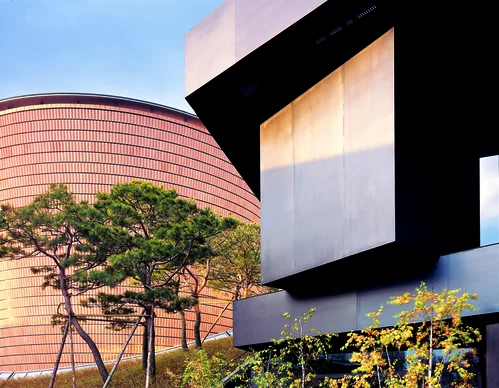
Seoul’s institutional depth spans from Joseon-era Korean art to some of the most ambitious contemporary museum programming in East Asia.
National Museum of Modern and Contemporary Art, Seoul (MMCA): The city’s flagship contemporary institution is in Samcheong. Its permanent collection features major Korean art from the 1960s to 2010s, while its exhibitions highlight cutting-edge Korean and international contemporary art.
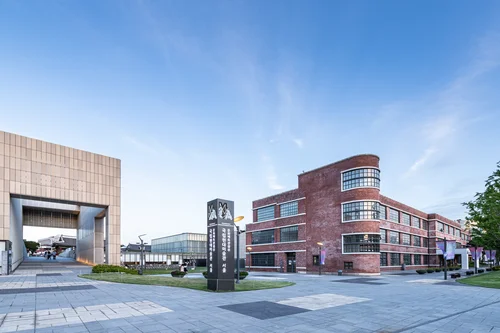
Kansong Art Museum: South Korea’s first private museum was founded in Seongbuk in 1938. Kansong Chun Hyung-pil’s collection of Korean cultural heritage remains a rare window into the country's classical art history.
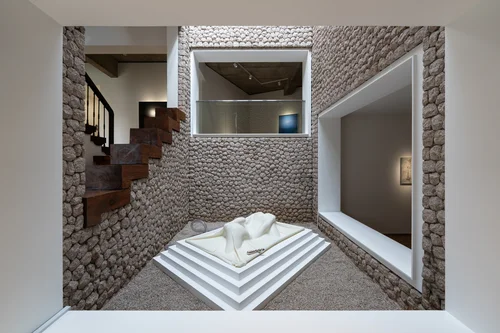
Other institutions worth checking out include:
- Park Seo-Bo Museum: Opening in late August in Yeonhui, this spot is dedicated to one of Korea’s most celebrated modern painters and a key figure of the Dansaekhwa movement.
- Arumjigi Foundation: The foundation’s Jongno space houses rotating exhibitions on Korea's traditional culture inside a modern building—with a hanok on the rooftop as a surprise. Open to the public for only a couple of months in fall, and per architectural designer Minsung Son, “one of the most magical experiences in Seoul—not to be missed.”
- National Folk Museum of Korea: On the grounds of Gyeongbokgung in Samcheong, the museum traces Korean folk life, traditional customs, and material culture, a rich counterpoint to the contemporary galleries surrounding it. Free admission.
- Seoul Museum of Art (SeMA): The city’s flagship public contemporary art museum, near Deoksugung Palace, with rotating exhibitions and a collection focused on Korean and international contemporary work.
- Amorepacific Museum of Art (APMA): The corporate museum inside David Chipperfield’s Amorepacific headquarters in Yongsan pairs Korean traditional art with contemporary programming, in a building that's a destination in its own right.
- Frieze House Seoul: The fair’s year-round Seoul outpost programmes exhibitions, talks, and dinners between the annual September edition. A useful drop-in for a read on what Frieze is looking at in Korea now.
And an off-the-radar pick: The late painter Kim Tschang-yeul’s former residence in Seongbuk opened this year as a public space—a rare chance to see where the artist lived and worked. Daeyang Gallery and House, a private gallery and residence designed by Steven Holl and Lee In Ho to look like it’s floating on water, occasionally opens to the public.
Where the art world in Seoul eats, drinks, and shops
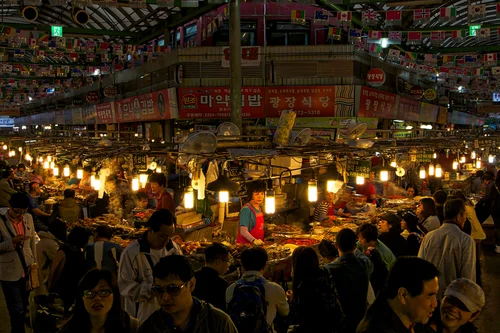
Seoul’s food scene is one of the world’s best. Generations of discerning eaters, high-quality ingredients, and rapid trend cycles converge in the city’s bustling restaurants and cafés.
For dinner: For Korean barbecue honed to the finest, Gold Pig Restaurant is Frieze House Seoul director Andy St. Louis’s pick. Reservations are recommended, but walk-ins are not impossible. For Korean contemporary cuisine, MAPS Museum senior curator Seolhui Lee recommends Eatanic Garden, spearheaded by Son Jong-won of Culinary Class Wars fame.
If given the chance, try the Pyongyang-style cold noodles. The dish has somehow become the ultimate tastemaker marker among Seoul’s art world. For a vegan-friendly pick, creative producer and filmmaker Eugene Mayu Kim says URT in Hongdae is “always a winner.”
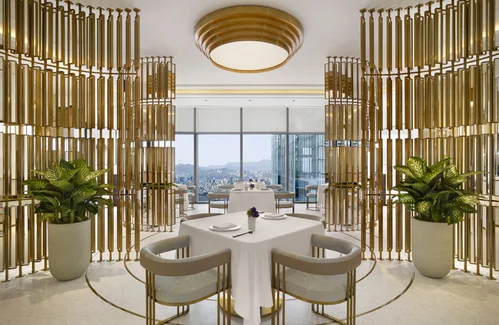
For drinks: Bars in Samcheong and Seochon will offer something quieter and more quaint. Gong-Gan, another Lee pick, is a strong cocktail bar for post-opening gatherings. Head south of the river, in Cheongdam district, opposite the Songeun Art and Cultural Foundation, to a refined wine bar, Les Copains, a “haven for discerning oenophiles and post-fair unwinding,” recommended by collector and attorney Jeongho Nam. If you’re open to making the evening a longer one, head to one of the many bars in Haebangchon and continue the night at a club or two in Itaewon. Artist and musician Yubin Choi says of Hertz in Itaewon, “crazy good to see the sunrise.”
For coffee: Cafés are their own genre in Seoul. Some attribute the proliferation to the city’s extreme weather. In Euljiro, Choi suggests NETZ kaffeehaus for meetings. MK2, meanwhile, in Seochon, is loved by nearby architects and design professionals.
For browsing: D&DEPARTMENT SEOUL by MMMG offers a snapshot of Korean contemporary craft and design. Minsung Son recommends Oval, “recommended to anyone very particular about their pens, pencils, and paperweights.”
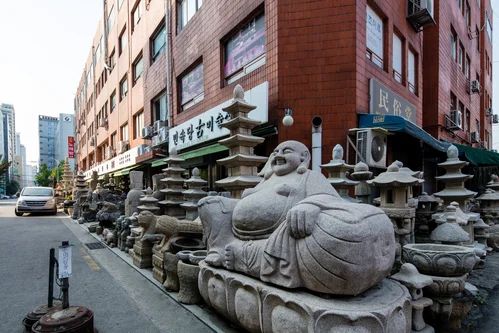
For antique furniture, product designer Gyuhan Park points to Dapsimni Antique Market; for vintage jewelry and watches, Sewoon Square. Haggling is fair game at the traditional markets.
Where to stay: Lisa Shin suggests staying at Boan Stay, an accommodation service provided by the art and exhibition space of the same name, with “a beautiful view of the walls and trees of Gyeongbokgung.” Alternatively, consider staying in a hanok-style accommodation, which can be found throughout Jongno, as Wonseok Koh, director of Line Cultural Foundation, recommends.
Top tips for art lovers visiting Seoul
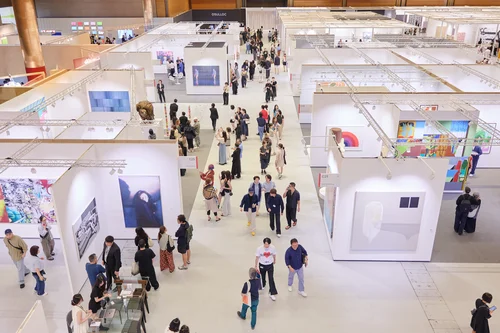
When to go: Consider early September for Frieze Seoul and Kiaf, the local counterpoint fair. Both draw international curators, artists, and collectors, and together anchor Seoul Art Week, when galleries across the city open new shows.
How to navigate: Google Maps is serviceable, but it’s worth downloading Naver Map or Kakao Map instead, recommends Koh. Seoul’s public transit is excellent and often the fastest way to move between clusters, but avoid rush hour where possible. For Seongbuk in particular, taxis are essential given the hills. Plan the day by cluster—Samcheong in the morning, Hannam in the afternoon, for instance—rather than crisscrossing.
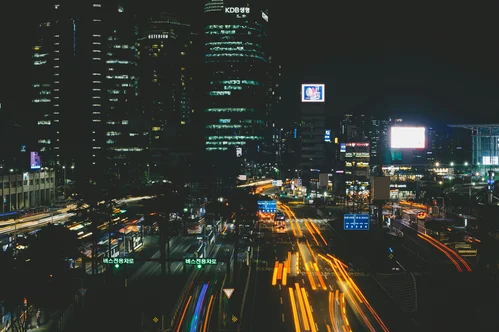
What locals know: Punctuality is never not fashionable in Korea; always be on time. Openings run late and often spill into dinner and drinks nearby. Seoul is dense despite being smaller than London and New York: Everything takes longer to cross than it looks on the map.
Bringing artworks home: Exporting contemporary art from Seoul is straightforward. Most galleries handle international shipping as a matter of course, and Korea’s logistics infrastructure is excellent. English is widely spoken in commercial galleries, especially those with international programs. One thing to verify when buying antique or traditional Korean pieces is whether they are subject to export restrictions, so check the status before buying older work.
