


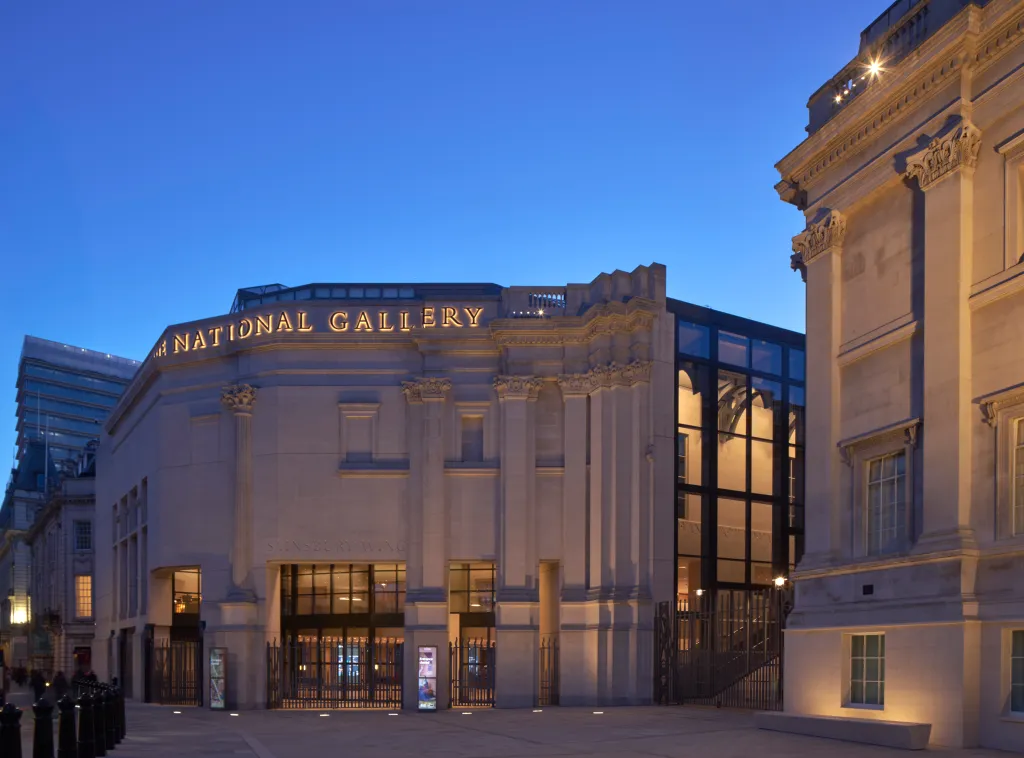
An initiative by London’s National Gallery to convene a panel of randomly selected UK citizens to advise on its future has drawn criticism from art-world figures and conservative MPs.
For the assembly, called NG Citizens, the National Gallery brought together a demographically representative group of the UK population, including some who may not have a professional art background or have never visited the National Gallery before, to help shape its strategic direction. The project has convened five times since it was created a year ago, and aims to bring the public’s voice into the institution’s administration through 2029.
But critics have have actively pushed back against the group, among them conservative MPs like Charlie Dewhirst and art world figures, who have said the £250,000 project is a misuse of funds and undermines curatorial authority, the Times of London reported recently.
Michael Daley of conservation nonprofit ArtWatch told the Times that the concept is “barking mad,” comparing the scheme to a greengrocer commissioning an “expensive investigation to tell him what vegetables to sell.” Evening Standard columnist Melanie McDonagh described it as an “awful idea,” adding that “the point of the Gallery is not to solicit the opinions of an uninformed public.”
The NG Citizens project arrives at a fragile moment for the National Gallery, whose attendance figures have not recovered from the pandemic. The institution is also facing an £8.2 million deficit, which has led to a voluntary exit scheme for staff. It has since met its voluntary redundancy target and “delivered the targeted £2 million in savings”, as reported by industry publication Arts Professional.
At the same time, the long-standing policy of free entry to national museums is being questioned as a potential cost-saving measure, signalling a broader crisis of confidence in public arts funding. London Mayor Sadiq Khan has strongly opposed this move, saying in a recent LBC op-ed that “art and culture are for everyone – no matter where they’re from, or how much money they earn.” Against this backdrop, some see the assembly as a well-intentioned, though misguided, attempt to address a financial problem with what is essentially a PR-focused solution. And there are those who support the initiative as a tool for museums to gain insight into diverse perspectives.
Still, the debate over NG Citizens underscores a persistent tension in the UK art world over who ultimately holds authority over public institutions. The curatorial experts who have built and shaped their collections for decades, or the public that funds them?
