

Close Menu
  • News
  • Stocks
  • Bonds
  • Commodities
  • Collectables
    • Art
    • Classic Cars
    • Whiskey
    • Wine
  • Trading
  • Alternative Investment
  • Markets
  • More
    • Economy
    • Money
    • Business
    • Personal Finance
    • Investing
    • Financial Planning
    • ETFs
    • Equities
    • Funds

Subscribe to Updates

Get the latest markets and assets news and updates directly to your inbox.

Trending Now

Glasgow School of Art says £265m needed to restore destroyed Mackintosh building is ‘unaffordable’ – The Art Newspaper

July 23, 2026

The U.S. premium for SK Hynix is set to stay after Korean regulatory ruling

July 23, 2026

A lifetime of war: meet the 94-year-old Ukrainian artist Oleksandr Dubovyk – The Art Newspaper

July 23, 2026
Facebook X (Twitter) Instagram
The Asset ObserverThe Asset Observer
Newsletter
LIVE MARKET DATA
  • News
  • Stocks
  • Bonds
  • Commodities
  • Collectables
    • Art
    • Classic Cars
    • Whiskey
    • Wine
  • Trading
  • Alternative Investment
  • Markets
  • More
    • Economy
    • Money
    • Business
    • Personal Finance
    • Investing
    • Financial Planning
    • ETFs
    • Equities
    • Funds
The Asset ObserverThe Asset Observer
Home»Art Market
Art Market

Russia’s Hermitage Museum Suspends Archaeological Expeditions in Crimea, Citing Fuel Shortage

News RoomBy News RoomJune 30, 2026
Share
Facebook Twitter LinkedIn Pinterest Email

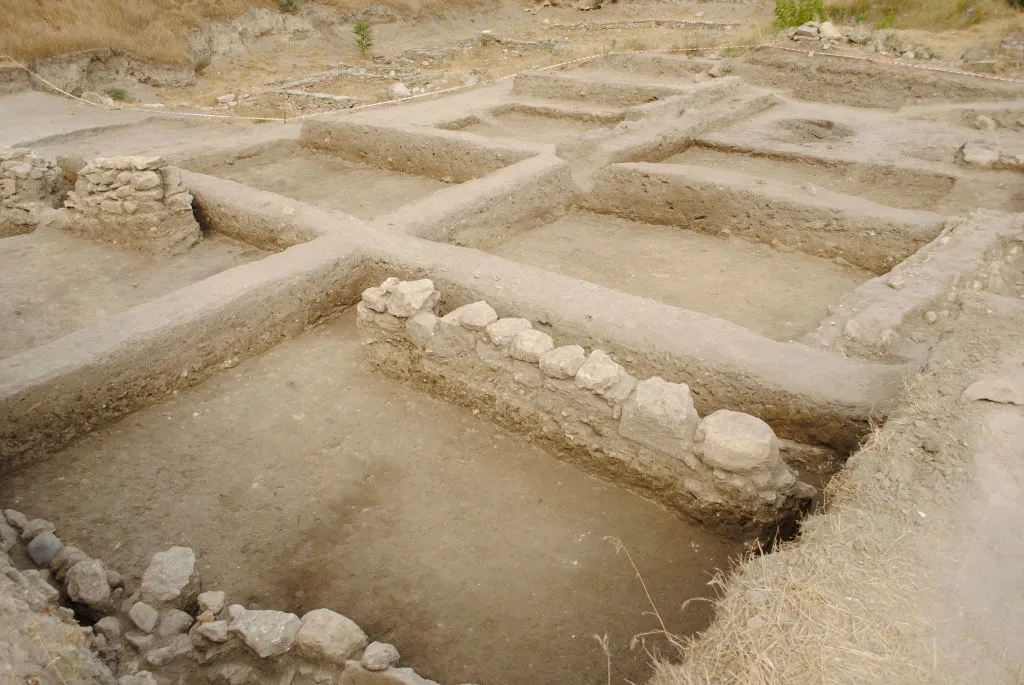
The State Hermitage Museum in St. Petersburg has suspended all archaeological expeditions in annexed Crimea as the Kremlin declares a state of emergency amid a severe fuel shortage and continued Ukrainian attacks, according to the Moscow Times.

“The expeditions are being postponed until the situation improves,” Alexander Butyagin, head of the Hermitage archaeology department, told the Russian state-run news agency TASS on Monday. “It’s too difficult to organize normal operations right now.” According to local media reports, Butyagin was set to lead an expedition in Crimea last month that has reportedly been relocated to the southern Krasnodar region in Russia. 

Butyagin is a highly controversial figure in European archaeology. Last year, Ukrainian prosecutors accused him of excavating the ancient site of Myrmekion in Crimea without authorization from Ukrainian authorities following Russia’s 2014 annexation of the peninsula. He was detained in Poland in December 2025 pursuant to a Ukrainian extradition request.

In March, a Warsaw district court ruled that the request was legally admissible, but his lawyer appealed the decision, halting the extradition process as the case moved through Poland’s courts. Before those proceedings concluded, however, Poland released Butyagin as part of a US-brokered prisoner exchange involving Belarus and Russia, and he returned to Russia.

Meanwhile, Russia’s archaeological activity in Crimea remains a point of contention between Ukraine and the broader archaeological community. Ukraine does not recognize Russian sovereignty in Crimea, and asserts that excavations carried out in Crimea require permits in accordance with Ukrainian law.

Ukraine’s Defense Intelligence agency added Butyagin to the government’s “War and Sanctions” registry in February 2025. The registry tracks individuals accused of violating Ukrainian law in territories occupied by Russia. The agency cited an archaeological expedition he led at Myrmekion, an ancient Greek colony in Crimea, alleging that it removed 30 gold coins—including 26 bearing the name of Alexander the Great—and caused damage to the protected archaeological site.

Russia has rejected the accusations. In January, the Russian Foreign Ministry dismissed the case as unfounded and defended Butyagin’s work as a contribution to the region’s cultural heritage. Mikhail Piotrovsky, director of the Hermitage Museum, also criticized Butyagin’s arrest, characterizing it as political pressure tied to Western sanctions on Russia.

In response, Ukrainian researchers have argued that archaeological sites are increasingly being used to reinforce Russia’s state-sanctioned narratives about the region’s history. They point to the UNESCO-listed site of Tauric Chersonese, which has remained largely inaccessible to international oversight since Russia’s 2014 annexation of Crimea.

The controversy unfolds against the backdrop of Russia’s full-scale invasion of Ukraine, now in its fourth year, with cultural property continuing to play a central role in the conflict—and Crimea serving as a key flashpoint. Since the start of the invasion, Ukrainian cultural authorities have accused Russian forces of looting museum collections, with some of the missing works later appearing on display at museums in Crimea.

Earlier this year, staff at Ukraine’s Kherson Regional Art Museum said they had identified 100 looted artworks, including a 1986 painting by artist Nina Marchenko that was stolen from the museum’s collection in 2022. They allege the work was looted by Russian forces and is now housed at Crimea’s Central Museum of Tavrida. According to a social media post by the Kherson Regional Art Museum, the painting was identified in a photograph taken during an official visit by the Russian-installed occupation authorities.

Share. Facebook Twitter Pinterest LinkedIn Tumblr Email

Keep Reading

Glasgow School of Art says £265m needed to restore destroyed Mackintosh building is ‘unaffordable’ – The Art Newspaper

A lifetime of war: meet the 94-year-old Ukrainian artist Oleksandr Dubovyk – The Art Newspaper

Check Out Refik Anadol’s AI-Powered Light and Sound Projection on the Smithsonian’s Iconic ‘Castle’ Building

French Museum Launches ‘Wanted’ Campaign to Track Down 424 Artworks Looted by Nazis

Getty Names Final Round of Grantees for Initiative Focused on Preserving Black Architects’ Work 

How Jewish Women Helped Shape Modern Design

After $75 M. Gift, Shuttered California College of the Arts to Become School Named for Silicon Valley Billionaire

Archaeologists Open Three New Kingdom Tombs at Egypt’s Saqqara Necropolis

If Dealers Want to Sell an Artwork to a Museum, They May Have to Find the Buyer Themselves

Recent Posts
  • Glasgow School of Art says £265m needed to restore destroyed Mackintosh building is ‘unaffordable’ – The Art Newspaper
  • The U.S. premium for SK Hynix is set to stay after Korean regulatory ruling
  • A lifetime of war: meet the 94-year-old Ukrainian artist Oleksandr Dubovyk – The Art Newspaper
  • Texas Instruments shares are sliding, and its rival is doing even worse. What’s going on in the world of analog semiconductors.
  • Check Out Refik Anadol’s AI-Powered Light and Sound Projection on the Smithsonian’s Iconic ‘Castle’ Building

Subscribe to Newsletter

Get the latest markets and assets news and updates directly to your inbox.

Editors Picks

The U.S. premium for SK Hynix is set to stay after Korean regulatory ruling

July 23, 2026

A lifetime of war: meet the 94-year-old Ukrainian artist Oleksandr Dubovyk – The Art Newspaper

July 23, 2026

Texas Instruments shares are sliding, and its rival is doing even worse. What’s going on in the world of analog semiconductors.

July 23, 2026

Check Out Refik Anadol’s AI-Powered Light and Sound Projection on the Smithsonian’s Iconic ‘Castle’ Building

July 23, 2026

French Museum Launches ‘Wanted’ Campaign to Track Down 424 Artworks Looted by Nazis

July 23, 2026
Facebook X (Twitter) Instagram
© 2026 The Asset Observer. All Rights Reserved.
  • Privacy Policy
  • Terms
  • Press Release
  • Advertise
  • Contact

Type above and press Enter to search. Press Esc to cancel.